TRENDING

Sunday, 8 November 2026
----------------------
28 Jumada Al-Awwal 1448 AH
The Democratic Republic of Congo is grappling with its worst cholera outbreak in decades, with 1,800 lives lost, while simultaneously battling an ongoing Ebola epidemic. Insecurity and limited access in conflict-ridden eastern provinces are severely hindering humanitarian efforts.
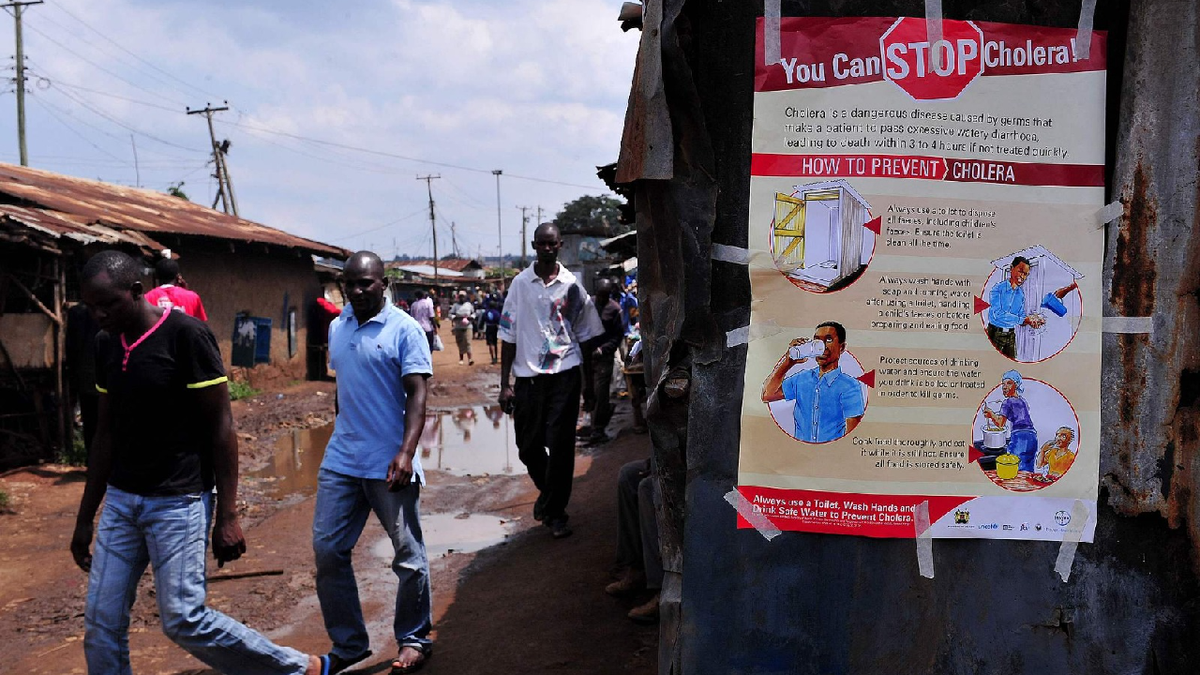
The Democratic Republic of Congo (DRC) is currently experiencing its most severe cholera outbreak in decades, with the World Health Organization (WHO) reporting approximately 60,000 cases and at least 1,800 deaths this year alone. This alarming situation is compounded by an ongoing Ebola outbreak in the same regions. Most infections are concentrated in the eastern provinces of North and South Kivu, areas long plagued by instability and conflict. The disease is also spreading westward along the Congo River basin, raising serious concerns about its potential arrival in the densely populated capital, Kinshasa. The WHO Director-General, Tedros Adhanom Ghebreyesus, highlighted that the response is critically hampered by pervasive insecurity and limited access to remote areas, challenges that similarly obstruct efforts to contain Ebola and intensify vaccination drives.
The dual health crises in the DRC are not merely medical emergencies; they are direct consequences of deeply entrenched power dynamics, systemic failures, and a global economic order that often prioritizes resource extraction over human well-being. At the heart of the crisis lies the profound weakness of the DRC's state institutions. Decades of conflict, corruption, and insufficient investment have left the government with limited capacity to provide basic public services, including clean water, sanitation, and healthcare infrastructure. This institutional fragility creates a vacuum that armed groups exploit, further destabilizing the eastern provinces and making it nearly impossible for humanitarian aid to reach those most in need.
Armed groups and militias wield significant power in eastern DRC, often controlling vast swathes of territory and benefiting from the illegal exploitation of the country's immense mineral wealth. Their presence directly fuels insecurity, displaces populations, and actively obstructs the movement of health workers and medical supplies. For these groups, continued instability can be advantageous, allowing them to maintain their illicit economies and influence. The international aid community, represented by organizations like the WHO, possesses the medical expertise and a mandate to respond, but their effectiveness is severely constrained by these local power brokers and the lack of a secure operating environment. Their power is reactive, not proactive, limited to responding to symptoms rather than addressing the root causes of the crisis.
Crucially, the DRC's geopolitical significance, driven by its vast reserves of cobalt, coltan, and other critical minerals essential for global technology and renewable energy industries, plays a complex and often destructive role. Major global powers and multinational corporations, while not directly causing the outbreaks, are deeply implicated in the perpetuation of the conflict. The demand for these minerals indirectly funds many of the armed groups that destabilize the region, creating a perverse incentive for continued instability. This makes the DRC a battleground where local grievances intersect with global economic interests, leaving its citizens caught in a perpetual cycle of violence and vulnerability. The power to change these underlying conditions rests not just with the DRC government, but also with the international community and the powerful corporate entities that benefit from the status quo.
The human toll of the cholera and Ebola outbreaks in the DRC is catastrophic, affecting hundreds of thousands of ordinary citizens who are caught between disease and conflict. With 1,800 deaths from cholera alone and a case fatality rate of around three percent—unusually high for a treatable disease—the numbers underscore a profound failure to protect the most vulnerable. These are not mere statistics; they represent families shattered, communities devastated, and a generation facing immense hardship. The lack of access to clean water and sanitation, particularly in conflict zones and overcrowded displacement camps, transforms treatable illnesses into deadly epidemics.
Conflict in eastern DRC has led to the internal displacement of millions of people. These internally displaced persons (IDPs) often live in makeshift camps or overcrowded urban areas, lacking basic services. Such conditions are ideal breeding grounds for cholera, which spreads rapidly through contaminated water and food. For these populations, already traumatized by violence and forced migration, a simple stomach ache can quickly escalate into a life-threatening condition due to the absence of immediate medical care, clean water, or even basic hygiene facilities. The constant movement of people fleeing conflict also accelerates the spread of disease, making containment efforts incredibly difficult.
Children are disproportionately affected by these twin crises. They are more susceptible to severe dehydration from cholera and face heightened risks from Ebola. Beyond the immediate threat to life, the ongoing health emergencies and pervasive insecurity disrupt education, stunt physical and cognitive development, and inflict deep psychological trauma. Many children become orphans, are recruited by armed groups, or are forced into child labor to survive. The long-term consequences of this instability and disease will be felt for decades, undermining the potential for recovery and development for an entire generation. The human cost extends far beyond the immediate fatalities, impacting the social fabric and future prospects of the nation.
What governments, international bodies, and corporate statements often downplay or omit is the deeply systemic nature of the DRC's health crises. These outbreaks are not isolated incidents or unfortunate natural occurrences; they are symptoms of a profound geopolitical and economic imbalance that has plagued the country for decades. The narrative often focuses on the immediate humanitarian response, sidestepping the uncomfortable truths about why such crises recur with such devastating regularity.
The DRC holds some of the world's largest reserves of critical minerals like cobalt and coltan, vital for smartphones, electric vehicle batteries, and other high-tech products. The global demand for these minerals, driven by consumers and industries in developed nations, fuels a multi-billion-dollar illicit trade that directly benefits armed groups operating in eastern DRC. These groups perpetuate conflict, displace communities, and obstruct humanitarian efforts, creating the very conditions that allow cholera and Ebola to thrive. While companies tout their commitment to ethical sourcing, the practical reality on the ground is that the global supply chain for these minerals often has a bloody and disease-ridden shadow. The powerful actors in this chain—mining companies, tech giants, and the governments that support them—rarely acknowledge their indirect but significant role in perpetuating the instability that makes health crises inevitable.
The international community's response to the DRC's crises is often characterized by episodic attention and
The outbreak is severe due to a combination of factors including weak public health infrastructure, lack of access to clean water and sanitation, and ongoing conflict that displaces populations and hinders aid delivery. The high fatality rate for a treatable disease underscores these systemic failures.
Conflict creates insecurity, making it difficult for health workers to access affected areas and deliver aid. It also displaces millions into crowded, unsanitary camps, which become breeding grounds for diseases like cholera, while armed groups often obstruct humanitarian efforts.
The untold story involves the indirect role of global demand for DRC's mineral wealth, which fuels conflict by funding armed groups. This perpetuates instability and prevents long-term solutions for public health, often downplayed by international actors and corporations benefiting from the resource trade.
Editor's Note: Analysis draws connections between reported health crisis, historical context of conflict, and resource exploitation, consistent with TGN doctrine for identifying underlying power mechanics and untold stories.
Source referenced: CGTN
This brief was synthesized by our Editorial Engine and reviewed by The Ground Narrative team.