TRENDING

Sunday, 8 November 2026
----------------------
28 Jumada Al-Awwal 1448 AH
Iran's Foreign Minister embarked on a rapid diplomatic outreach to 12 regional nations following reported US strikes on Qeshm Island. This flurry of calls underscores the volatile power dynamics in the Persian Gulf and the delicate balancing act regional states must perform.
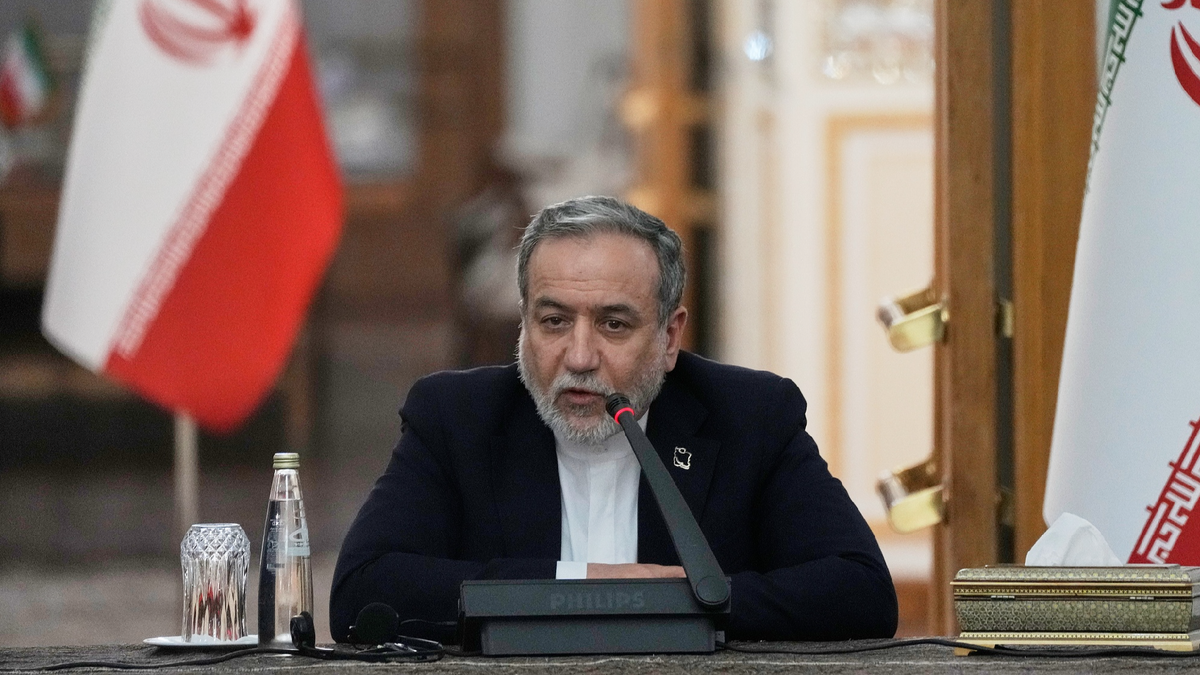
In a swift and concentrated diplomatic maneuver, Iran's Foreign Minister Abbas Araghchi engaged in a 48-hour phone call spree with 12 of his counterparts from across the Middle East and beyond. The nations included Oman, Egypt, Jordan, Saudi Arabia, Qatar, Cyprus, Türkiye, Kuwait, the United Arab Emirates, Tunisia, Iraq, and Pakistan. During these discussions, Araghchi reiterated Tehran's core positions, emphasizing respect for national sovereignty, an end to aggression, avoidance of destructive foreign interference, and the collective responsibility of regional states to prevent security escalations. This diplomatic push followed recent reports by American media, citing US officials, of
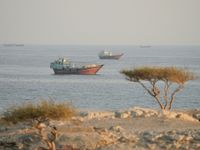
Qeshm Island is Iran's largest island in the Persian Gulf, located strategically near the Strait of Hormuz. This strait is a critical chokepoint for global oil and energy shipments, making any military activity around Qeshm highly sensitive and impactful for international energy security.
Iran's rapid diplomatic outreach is a direct response to reported US strikes on Qeshm Island. It aims to rally regional support, assert its sovereignty, and push for a regional security framework free from external interference, thereby strengthening its position against US pressure and potential further escalation.
US midterm elections can influence foreign policy by altering the domestic political landscape of the President. Following Republican losses, President Trump's administration might seek to project strength abroad or pursue a diplomatic 'win' with Iran to regain political capital, leading to potentially unpredictable shifts in policy.
Editor's Note: The analysis extrapolates from concise raw intelligence by applying TGN's core questions and providing geopolitical context, focusing on power mechanics and human cost.
Source referenced: CGTN
This brief was synthesized by our Editorial Engine and reviewed by The Ground Narrative team.