TRENDING

Saturday, 19 September 2026
----------------------
8 Rabi' Al-Thani 1448 AH
The US and Japan have joined forces to intervene in the currency market, propping up the yen in a move that signals a deepening alliance between the two nations. But what are the underlying power dynamics at play, and who stands to gain or lose from this partnership?
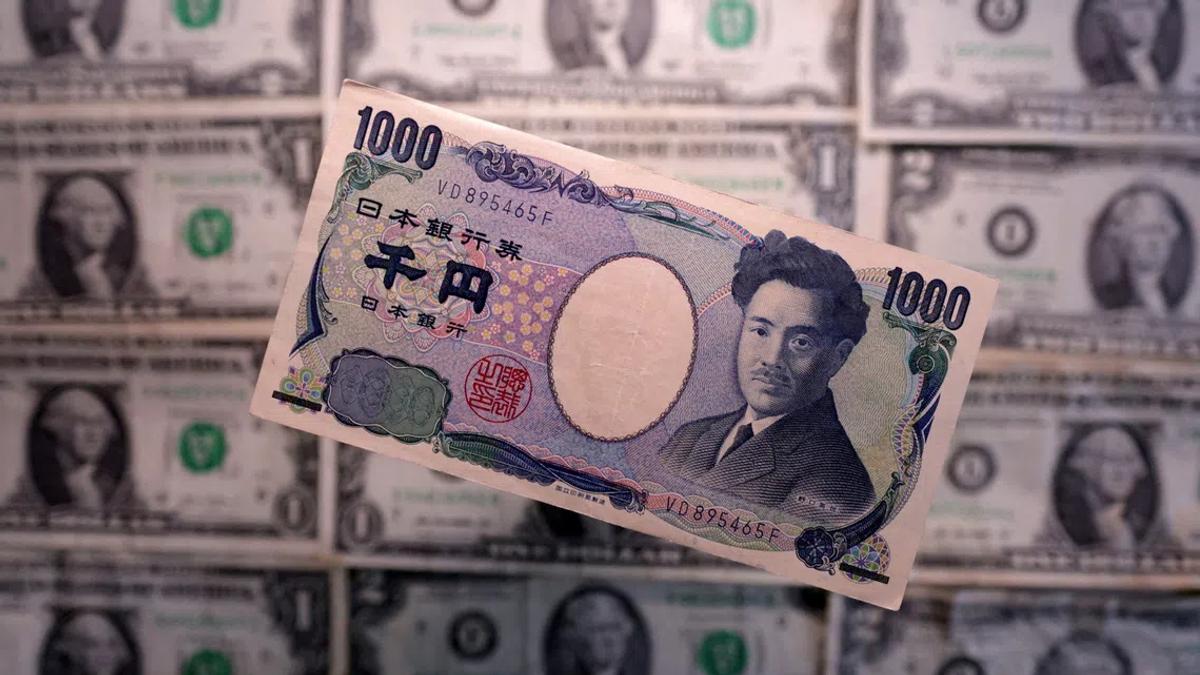
The US and Japan have embarked on a rare joint intervention in the currency market, aiming to bolster the yen. This coordinated effort, which has not been seen in decades, underscores the strengthening bond between the two nations. President Donald Trump characterized this move as a gesture of friendship towards Japan, emphasizing the country's historical alliance with the US.
The decision to intervene in the currency market is rooted in a complex interplay of economic and geopolitical interests. Japan's economic stability is crucial to the US, as it is a significant trade partner and a key player in the regional balance of power. By propping up the yen, the US is not only supporting its ally but also mitigating potential risks to its own economy. Moreover, this joint intervention sends a strong signal to other nations, particularly China, about the depth of the US-Japan alliance and their willingness to cooperate on economic matters.
The impact of currency fluctuations can be far-reaching, affecting export-oriented industries, small businesses, and individual workers. In Japan, a weaker yen can lead to higher import costs, potentially eroding the purchasing power of citizens. Conversely, a stronger yen can make Japanese exports more expensive, harming the country's manufacturing sector. As the US and Japan navigate their currency alliance, it is essential to consider the human cost of their decisions, including the potential consequences for employment, inflation, and economic growth.
While the US and Japan have framed their joint intervention as a demonstration of friendship, there are likely more nuanced motivations at play. The US may be seeking to counterbalance China's growing economic influence in the region, while Japan may be aiming to diversify its economic relationships and reduce its dependence on any single partner. Furthermore, the intervention may be downplaying the risks associated with currency manipulation, including the potential for unintended consequences, such as market volatility or trade tensions.
As the US and Japan continue to navigate their currency alliance, several key developments bear watching. The response of other nations, particularly China, will be crucial in determining the effectiveness of this partnership. Additionally, the long-term implications for the global economy will depend on the ability of the US and Japan to balance their economic interests with the needs of other nations. Ultimately, the success of this alliance will hinge on the ability of both countries to communicate their intentions clearly and address the concerns of other stakeholders in the global economy.
Editor's Note: The analysis is based on publicly available information and may not reflect the full complexity of the situation.
Source referenced: STRAITSTIMES
This brief was synthesized by our Editorial Engine and reviewed by The Ground Narrative team.


