TRENDING

Tuesday, 20 October 2026
----------------------
9 Jumada Al-Awwal 1448 AH
A recent Kyodo poll records Japan’s cabinet approval at 49.1%, the first sub‑50% reading since Sanae Takaichi took office. The drop coincides with tax‑cut proposals and a string of ministerial scandals, raising questions about who truly bears the cost.
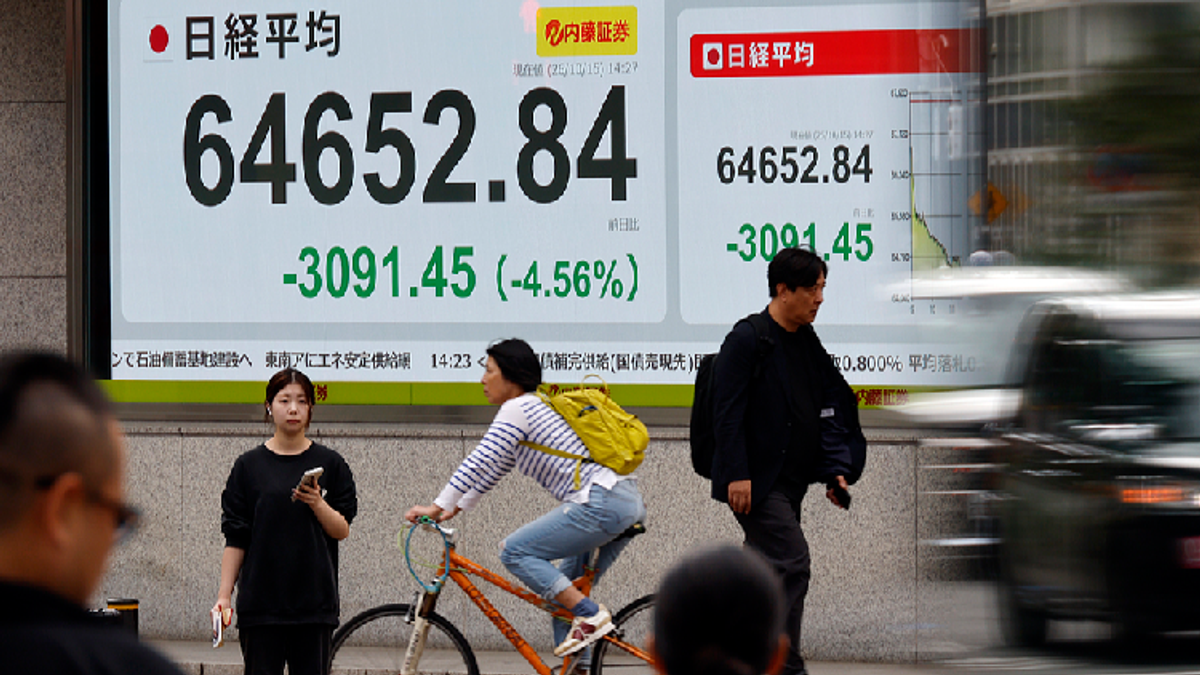
Public support for Prime Minister Sanae Takaichi’s administration slipped to 49.1% in a Kyodo News telephone poll released on 19 October 2026, the first time the figure has fallen below the halfway mark. The disapproval rating rose to 33%, while the cabinet’s approval dropped 4.3 points from the previous month. The decline follows a cascade of controversies, including the dismissal of former agriculture minister Kazuo Yana, criticism of an education‑minister fundraising scandal, and public unease over a proposed consumption‑tax cut on food and beverages.
The Liberal Democratic Party (LDP) has ruled Japan almost uninterruptedly since the 1950s, but its dominance depends on a delicate balance of factional bargaining, fiscal credibility, and electoral math. Takaichi, a veteran LDP figure, ascended to the premiership after a leadership contest that pitted her reform‑leaning faction against more conservative elements wary of fiscal loosening. Her administration’s flagship policy – slashing the 8% consumption tax on food and drinks to 1% for two years – is a classic vote‑getter aimed at low‑income voters ahead of the July 2027 general election. However, the policy threatens to widen the budget deficit, a red line for the Ministry of Finance and the country’s sovereign‑rating agencies.
At the same time, the LDP’s internal cohesion is being tested by scandal fallout. Kazuo Yana’s remarks and alleged election‑law violations forced his removal, but the delay in acting on the issue fed narratives of a party more concerned with protecting its senior members than with accountability. The education minister’s fundraising misstep further exposed how political fundraising networks intertwine with corporate donors, especially in the construction and food‑service sectors that stand to benefit from the tax cut. These networks provide campaign cash and lobbying muscle, reinforcing the cabinet’s willingness to push policies that may be fiscally risky but politically lucrative.
The cabinet’s approval dip also reflects a broader shift in voter expectations. Younger Japanese, who have faced stagnant wages and a precarious gig economy, are less tolerant of perceived elite self‑interest. Pollsters note that 57.7% of respondents think Takaichi waited too long to dismiss Yana, while 54.7% believe his resignation would have weakened the cabinet’s performance – a paradox that underscores how the public equates swift disciplinary action with competence, even when the underlying policy agenda remains unchanged.
The proposed consumption‑tax reduction is marketed as a relief for households struggling with rising food prices. In reality, the cut reduces a major source of non‑tax revenue that funds Japan’s aging‑society safety net. Analysts estimate that the two‑year cut could shave ¥8 trillion (about $55 billion) from the national budget, forcing the government to either borrow more or trim spending on pensions, healthcare, and disaster‑relief programs that disproportionately protect the same low‑income groups the tax cut aims to help.
Restaurants, cafés, and convenience‑store owners have welcomed the idea of a lower tax on consumables, expecting a price‑pass‑through that could boost foot traffic. Yet the short‑term stimulus may be offset by longer‑term fiscal tightening, which could raise borrowing costs for small enterprises. Moreover, the policy creates a two‑year window of uncertainty; businesses must decide on inventory and staffing levels without knowing whether the tax will revert to 8% after 2028, potentially leading to over‑investment and subsequent layoffs.
A shrinking tax base forces the Ministry of Finance to consider cuts to public‑sector wages and pension adjustments. Civil servants, many of whom are already facing a freeze on overtime pay, could see their real incomes erode. Retirees, who rely on stable pension payouts, risk seeing benefit reductions if the deficit spirals. The human cost, therefore, is not limited to the immediate consumer price tag but extends to the long‑term security of Japan’s aging population.
While the media reported Yana’s dismissal and the education minister’s fundraising apology, official government briefings have largely framed these incidents as isolated missteps rather than systemic issues. Press releases emphasize the cabinet’s “commitment to transparency” without detailing any structural reforms to prevent future violations. This framing downplays the role of entrenched patron‑client relationships that enable senior politicians to leverage public office for private gain.
The administration’s public messaging highlights the tax cut as a “people‑first” measure, yet the budgetary impact is rarely quantified in official statements. Treasury officials have quietly warned that the deficit could breach the 2% of GDP ceiling set by the International Monetary Fund, a benchmark that could trigger a downgrade by rating agencies. By keeping the fiscal calculus out of the public discourse, the cabinet sidesteps a debate that could erode its credibility among fiscally conscious voters.
Mainstream Japanese newspapers have reported the poll numbers but often pair them with editorials praising the LDP’s historical stability. Opposition parties, notably the Constitutional Democratic Party, have issued tepid critiques, focusing on specific scandals rather than mounting a coordinated policy alternative. This media‑political alignment creates a narrative vacuum where the public receives fragmented information, making it harder to connect the dots between tax policy, fiscal health, and the scandals that reflect deeper governance weaknesses.
The next Diet session, slated for December 2026, will be a litmus test for Takaichi’s political survival. Watch for whether the consumption‑tax cut is formally passed, amended, or shelved in response to mounting fiscal warnings from the Ministry of Finance. Additionally, monitor any moves by opposition parties to force a vote of no confidence or to call for a snap election – a scenario that could force the LDP to renegotiate its internal factions.
Internationally, the United States and other security partners are keeping a close eye on Japan’s domestic stability, given its pivotal role in regional deterrence against China and North Korea. A weakened cabinet could complicate joint exercises and intelligence sharing, especially if budget constraints force cuts to defense spending. Finally, keep an eye on grassroots movements: consumer‑rights groups and senior‑citizen associations have begun organizing town‑hall meetings to demand transparency on the tax‑cut financing. Their ability to mobilize could shift the political calculus ahead of the 2027 election.
In short, the poll’s sub‑50% reading is more than a vanity metric; it signals a convergence of fiscal gamble, governance scandal, and a public that is increasingly unwilling to shoulder the cost of elite miscalculations. The coming months will reveal whether Japan’s leadership can recalibrate before the next electoral cycle or whether the cabinet’s decline will accelerate into a broader crisis of confidence.
The drop reflects public backlash against ministerial scandals, concerns over a steep consumption‑tax cut on food, and fears that the policy will worsen the national deficit.
While the cut could lower prices for consumers, it also reduces a key revenue stream, potentially forcing cuts to pensions, healthcare, or increased borrowing, which would affect low‑income families and retirees.
A sub‑50% approval rating puts pressure on Prime Minister Takaichi to adjust policies or reshuffle the cabinet before the July 2027 general election, as opposition parties may capitalize on the dip to gain seats.
Source referenced: CGTN
This brief was synthesized by our Editorial Engine and reviewed by The Ground Narrative team.