TRENDING

Tuesday, 20 October 2026
----------------------
9 Jumada Al-Awwal 1448 AH
Donald Trump's warning that Paris will soon be a Muslim city fuels a transatlantic debate on immigration, security and political survival, while ordinary French citizens bear the brunt of protests and policy backlash.
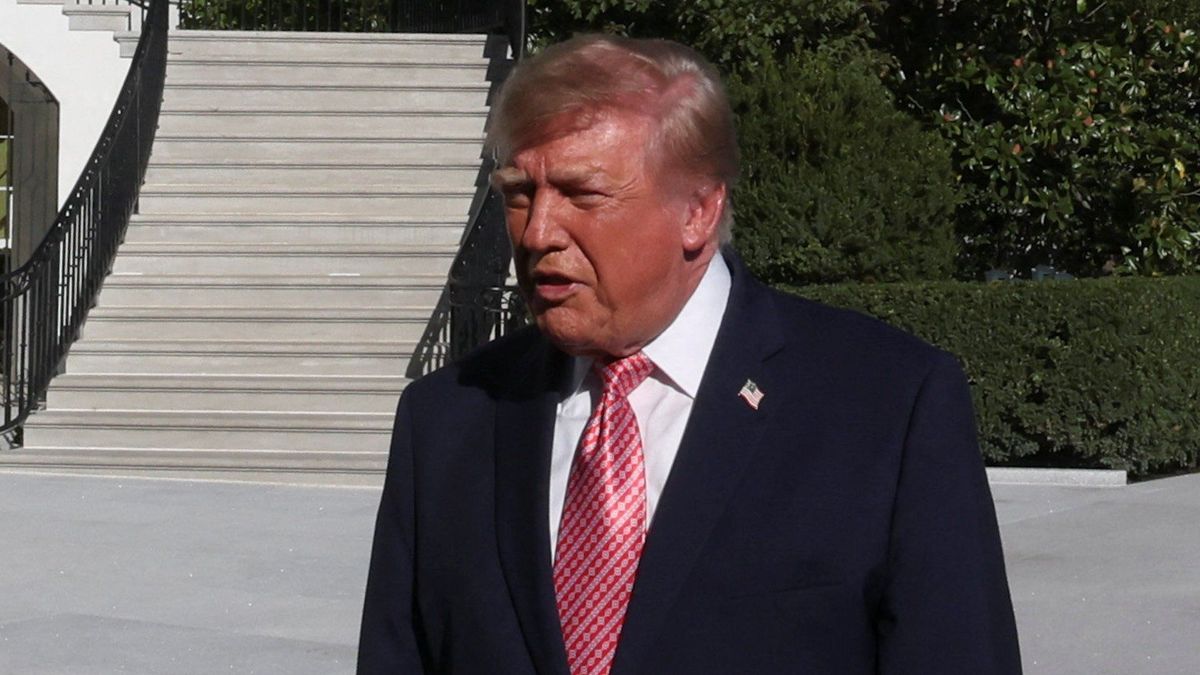
On October 19, 2026, Donald Trump took to social media to claim that Paris was on the verge of becoming a "Muslim city" after a weekend of protests and looting across France. He blamed recent unrest on immigrants and castigated Emmanuel Macron for keeping France’s borders open. The short video clip, posted by the former U.S. president, quickly went viral, prompting reactions from French politicians, European media, and immigrant advocacy groups.
Trump’s statement fits a long‑standing playbook: using immigration as a rallying cry to energize his base ahead of the 2028 presidential primaries. By casting France’s internal security issues as a symptom of unchecked migration, he positions himself as a global defender of “Western values,” a narrative that resonates with voters who feel threatened by demographic change. The comment also diverts attention from domestic controversies surrounding his own legal battles, allowing him to dominate the news cycle with a provocative foreign‑policy jab.
In France, President Macron faces a coalition of far‑right parties that have capitalized on the recent riots to demand stricter border controls. The government’s decision to maintain relatively open migration policies stems from EU asylum obligations, labor market needs, and a political commitment to liberal values. However, Macron must balance these commitments against a rising tide of public insecurity, which threatens his centrist coalition’s stability. The protests have given opposition parties leverage to push for a hardening of immigration law, a move that could reshape France’s social contract.
Trump’s remarks also serve a diplomatic purpose. By publicly criticizing a key NATO ally, he signals to the United States electorate that the current administration is “tired of being taken for granted” by European partners. The comment may be intended to pressure the EU into a more confrontational stance on migration, aligning with other right‑leaning leaders in Hungary and Poland who have been pushing for a “European migration shield.” This triangulation of U.S., French, and EU interests creates a volatile mix of national pride, security anxieties, and alliance politics.
Both the United States and France rely on migrant labor in sectors ranging from construction to tech. In the U.S., anti‑immigrant rhetoric can translate into policy proposals that restrict H‑1B visas, affecting the tech pipeline. In France, tightening borders could exacerbate labor shortages in agriculture and caregiving, potentially raising wages but also inflating consumer prices. The power dynamics here are not merely political; they intersect with corporate interests that profit from cheap labor while lobbying against stricter immigration enforcement.
The riots that sparked Trump’s comment left dozens injured, several businesses destroyed, and a lingering sense of insecurity among residents of Paris’s northern suburbs. These neighborhoods, already grappling with high unemployment and limited public services, now face intensified police presence and a wave of media scrutiny that paints entire communities as security threats.
Immigrant families, many of whom arrived through legal channels, find themselves caught in a backlash that threatens to curtail their rights. The rhetoric of a "future Muslim city" fuels xenophobic sentiment, leading to spikes in hate crimes, discrimination in housing, and obstacles to naturalization. Children in these families risk growing up in an environment where their identity is politicized and their future prospects are uncertain.
Workers in low‑skill jobs—cleaners, delivery drivers, and construction laborers—often rely on migrant labor to fill gaps. A hardening of immigration policy could lead to labor shortages, forcing employers to either raise wages or cut back on services. The immediate impact may be higher prices for consumers and increased job insecurity for both native and migrant workers.
While the protests were triggered by a combination of economic grievances, police misconduct allegations, and a controversial police operation, French officials have largely avoided framing the unrest as a migration issue. By emphasizing “law and order” without acknowledging the socioeconomic roots, they sidestep a deeper conversation about integration, housing inequality, and the legacy of colonial ties that shape today’s demographic patterns.
American news outlets that favor Trump’s narrative have amplified his comment, often omitting the context of the protests—namely, the role of police violence and the broader discontent over cost‑of‑living pressures. This selective framing reinforces a simplistic cause‑and‑effect story: immigrants cause unrest, therefore borders must close. The nuance of French domestic politics and the EU’s shared migration responsibilities is largely absent.
Major French retailers and multinational firms that benefit from cheap migrant labor have remained largely silent. Their public statements focus on condemning violence and supporting “peaceful dialogue,” while avoiding any acknowledgment that stricter immigration rules could disrupt supply chains, increase operational costs, and force a reevaluation of workforce strategies.
- French legislative moves: In the coming weeks, the National Assembly is expected to debate a bill tightening asylum procedures and expanding police powers in high‑risk neighborhoods. Tracking the bill’s language will reveal how much political capital the far‑right can extract from the current unrest.
- U.S. election cycle: As the 2028 primaries heat up, watch for additional foreign‑policy sound bites from Trump and other candidates. Their use of European crises as campaign fodder will indicate how immigration will be weaponized in domestic politics.
- EU migration policy coordination: The European Commission is slated to propose a revised “New Pact on Migration and Asylum” in early 2027. The French debate may influence the EU’s willingness to adopt stricter border controls, affecting millions of asylum seekers across the continent.
- Public opinion polls: Surveys in France and the United States will likely show spikes in anti‑immigrant sentiment following high‑profile statements. Monitoring these shifts can help predict policy trajectories and potential social unrest.
- Economic ripple effects: Look for changes in labor market data, especially in sectors heavily reliant on migrant workers. Wage trends, vacancy rates, and price inflation will provide concrete evidence of how rhetoric translates into economic reality.
By keeping an eye on these developments, ordinary citizens can better understand how a single comment from a former U.S. president reverberates through legislative chambers, street protests, and the daily lives of people who simply want safety and stability.
Trump reacted to a weekend of protests and looting in France, blaming immigrants and criticizing President Macron for not closing borders.
The remark fuels far‑right pressure on the French parliament to tighten asylum rules and increase police powers, potentially leading to stricter immigration legislation.
Trump’s statement is a strategic move to rally his base ahead of the 2028 primaries, using foreign unrest to frame immigration as a national security issue.
Source referenced: ALJAZEERA
This brief was synthesized by our Editorial Engine and reviewed by The Ground Narrative team.

