TRENDING

Friday, 18 September 2026
----------------------
7 Rabi' Al-Thani 1448 AH
A wave of Israeli families and investors are turning to Cyprus as a backup home and business hub, reshaping the island’s property market and sparking a political debate over foreign ownership.
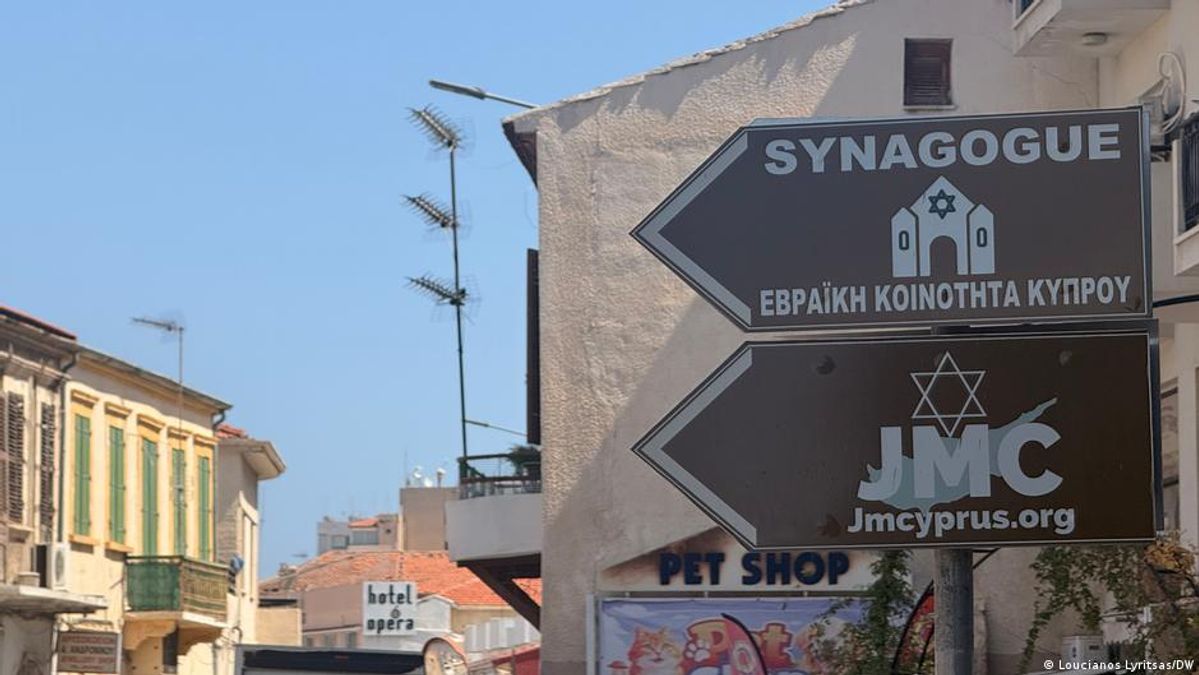
The volatile security environment in Israel since the October 7, 2023 attacks has driven thousands of Israelis to buy homes and set up businesses in Cyprus. Official land‑registry data show nearly 4,000 property transfers to Israeli buyers between 2021 and 2024, while estimates put the number of Israeli families living permanently on the island at around 3,000 and the total owners of holiday properties at roughly 20,000.
Cyprus’s post‑crisis economic strategy hinges on attracting foreign capital. After the 2013 banking collapse the island expanded its citizenship‑by‑investment programme and loosened land‑sale regulations, creating a pipeline for wealthy outsiders. Israeli investors now see Cyprus as a bridge to the EU: the euro‑denominated economy, a familiar Mediterranean climate, and a short 40‑minute flight reduce transaction costs and regulatory friction for firms seeking European market access. The government’s rhetoric—exemplified by former Energy and Commerce Minister George Papanastasiou’s praise of Israeli business presence—signals a deliberate alignment of diplomatic support with economic incentives. At the same time, the influx fuels a feedback loop: Israeli hotels, tech firms, and energy projects generate jobs, which in turn attract more Israeli residents seeking stability and a “Plan B.”
Cypriot renters and first‑time buyers feel the squeeze. Property values in coastal districts such as Limassol, Larnaca and Paphos have surged, pushing average Cypriot households farther from home‑ownership. Local workers in construction and hospitality benefit from short‑term employment, but the long‑term security of those jobs is uncertain as foreign‑owned resorts dominate the market. Small‑scale farmers near the Akamas peninsula confront land‑use changes as Israeli‑backed tourism projects encroach on protected Natura 2000 zones, threatening traditional livelihoods and biodiversity. Moreover, the emerging Israeli community creates parallel services—kosher restaurants, Hebrew signage, a private Jewish school—potentially fostering social enclaves that limit integration with the native population.
Official statements downplay the strategic dimension of the Israeli presence, framing it as ordinary foreign investment. What receives less attention is how the growing Israeli footprint dovetails with Cyprus’s security cooperation with Israel, including joint defence drills and intelligence sharing. This convergence raises questions about Cyprus’s autonomy in foreign policy and the potential for the island to become a logistical node in broader regional conflicts. Critics also note the lack of transparency around the source of capital: some Israeli investors are linked to companies that operate in contested territories, raising ethical concerns that are omitted from government press releases. Finally, the political debate over land‑sale restrictions is presented as a neutral housing issue, while the rhetoric often masks deeper anxieties about demographic change and the perception of a “second Israel” reshaping the island’s identity.
Watch for legislative moves in the Cypriot parliament. Both AKEL and DISY are drafting bills to curb land purchases by non‑EU nationals, a response that could slow Israeli capital inflows or push investors toward offshore structures. Monitor the status of the private Jewish school in Polemidia; its approval or rejection will signal how far the government is willing to accommodate a distinct foreign community. In the broader region, any escalation of the Israel‑Gaza conflict could trigger a second wave of Israeli migration, amplifying pressure on Cyprus’s housing market and testing the island’s diplomatic balancing act between European partners and its Middle‑Eastern ally. Finally, the reaction of the EU’s anti‑money‑laundering bodies to large Israeli‑funded projects will shape whether Cyprus can sustain its growth model without attracting regulatory scrutiny.
Source referenced: DW
This brief was synthesized by our Editorial Engine and reviewed by The Ground Narrative team.


