TRENDING

Saturday, 19 September 2026
----------------------
8 Rabi' Al-Thani 1448 AH
An emerging deal between Iran and Oman could redefine control over the Strait of Hormuz, shifting shipping lanes closer to Iran's coast. This potential accord raises questions about international maritime freedom and the economic implications for global energy markets.
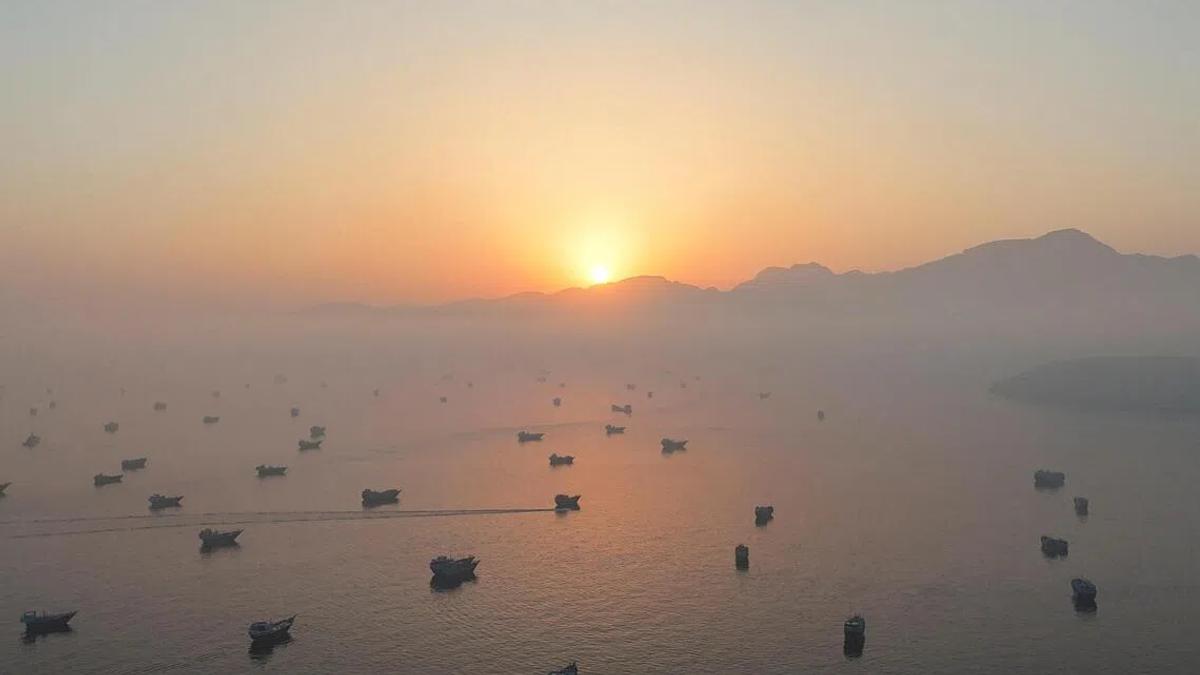
Iran and Oman are reportedly nearing an agreement to reconfigure shipping traffic in the Strait of Hormuz. This deal would establish a new transit system where vessels entering the Persian Gulf would use a channel near Iran's coast, while outbound ships would utilize a channel closer to Oman. This arrangement, if finalized, effectively grants Tehran a greater degree of operational control over a waterway that has historically been considered an open international passage.
This emerging accord represents a significant shift in the balance of power in one of the world's most critical chokepoints for oil and gas transit. For Iran, securing de facto control over an inbound shipping lane solidifies its long-held ambition to leverage its geographic position for strategic advantage. It provides a new layer of influence over global energy flows, enhancing its bargaining power in any future negotiations or confrontations. Oman, traditionally a neutral mediator in the Gulf, plays a crucial facilitating role, likely seeking to de-escalate regional tensions and ensure its own stability and economic interests, which are tied to free passage through the Strait. For the United States and its allies, this deal undermines decades of efforts to maintain the Strait as an international waterway, challenging the principle of freedom of navigation and potentially complicating naval operations and commercial shipping security. The "cost for Trump" mentioned in the raw intelligence refers to the political blowback of appearing to concede control to Iran after years of "maximum pressure" rhetoric, highlighting the domestic political survival incentives at play for any US administration. The economic trade-off for global consumers could be increased insurance premiums, longer transit times, or even direct fees, all funneling more control and potential revenue towards Iran.
While diplomats and officials negotiate the lines on a map, the human cost of such a redefinition of maritime control often falls on those far removed from the negotiating table. Tanker crews, whose vessels carry a third of the world's seaborne oil, will operate under new, potentially more restrictive, and certainly more politically charged conditions. Fishermen in the Gulf, whose livelihoods depend on unrestricted access to traditional fishing grounds, could find their movements constrained or their safety compromised by increased naval presence or altered shipping lanes. Beyond the immediate region, the deal's impact on global energy prices could ripple through economies worldwide, affecting ordinary citizens through higher fuel costs, increased inflation, and reduced purchasing power. Developing nations, particularly those reliant on imported energy, would disproportionately bear the burden of any price hikes or supply chain disruptions, exacerbating existing economic vulnerabilities and making daily life harder for millions.
What is conspicuously absent from official discussions is the long-term precedent this agreement sets for international maritime law and freedom of navigation. Governments and international bodies are likely to downplay the extent to which this deal legitimizes Iran's enhanced control, framing it instead as a "practical arrangement" for de-escalation or improved safety. However, by accepting a channel "controlled by Iran," the international community implicitly ratifies a reduction in the "open, international waterway" status that has been a cornerstone of global trade security. Furthermore, the environmental risks associated with re-routing massive oil tankers closer to coastlines, increasing the potential for accidents in sensitive marine ecosystems, are rarely foregrounded. The strategic implications for regional military balances, particularly for Saudi Arabia and the UAE, who rely heavily on the Strait for oil exports, are also likely being understated, as their economic lifelines become even more directly subject to Iranian influence.
Observers should closely watch the implementation details of this agreement: specifically, how Iran exercises its newfound operational control over the inbound channel. Will it impose new regulations, fees, or security protocols? The reactions from major shipping companies and insurance providers will indicate the true economic burden and perceived risk. Furthermore, the response from regional powers, particularly Saudi Arabia and the UAE, will be crucial. Any moves they make to diversify their export routes or enhance their own naval capabilities will signal their long-term assessment of the Strait's altered status. Finally, the political fallout in the United States, particularly how the deal is framed by different political factions, will reveal the domestic costs and benefits of this shift in global power dynamics.
Source referenced: STRAITSTIMES
This brief was synthesized by our Editorial Engine and reviewed by The Ground Narrative team.


