TRENDING

Sunday, 13 September 2026
----------------------
2 Rabi' Al-Thani 1448 AH
Jared Kushner's meeting with Hamas leader Khalil al-Hayya to revive the Gaza peace plan has sparked a flurry of diplomatic activity, but the human cost of the conflict continues to escalate. With over 1,200 Palestinians killed since October 2023, the situation on the ground remains dire. As the US, Israel, and regional Muslim states engage in a high-stakes game of diplomacy, the people of Gaza are caught in the crossfire.
Jared Kushner, US President Donald Trump's son-in-law and envoy, met with Hamas leader Khalil al-Hayya in Egypt to push for verifiable disarmament as part of the Trump administration's Gaza peace plan. The plan, which Hamas endorsed but Israel rejected, has been met with skepticism by regional Muslim states, who blame Israel for obstructing peace efforts.
The Trump administration's decision to engage with Hamas, a group it has previously classified as a terrorist organization, marks a significant shift in US policy. The move is seen as an attempt to bypass traditional Israeli-Palestinian negotiations and create a new framework for peace. However, the plan's success relies heavily on Israel's willingness to compromise, which appears unlikely given Prime Minister Benjamin Netanyahu's opposition to the plan. The US is walking a tightrope, trying to balance its relationship with Israel while also engaging with Hamas, a group with significant influence in the region.
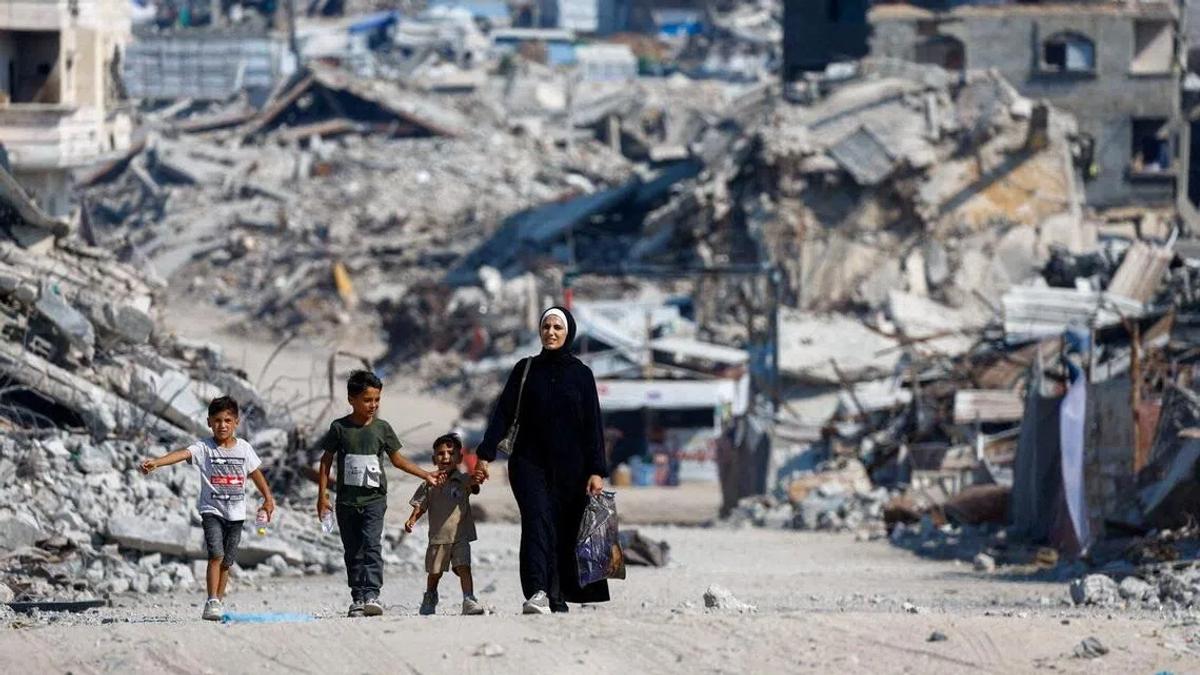
The conflict in Gaza has had a devastating impact on the civilian population. Over 1,200 Palestinians have been killed since October 2023, and the recent resumption of Israeli airstrikes has caused further casualties. The people of Gaza are paying the price for the failure of diplomatic efforts, with many forced to live in constant fear of violence and displacement. The humanitarian situation on the ground is dire, with many struggling to access basic necessities like food, water, and medical care.
Despite the fanfare surrounding Kushner's meeting with al-Hayya, the US and Israel are downplaying the significant obstacles to the plan's success. The plan's reliance on Hamas' disarmament is a major sticking point, with many questioning whether the group is willing or able to relinquish its weapons. Furthermore, the plan's failure to address the underlying issues driving the conflict, such as the Israeli occupation and the blockade of Gaza, means that it is unlikely to provide a lasting solution to the crisis.
As the situation in Gaza continues to deteriorate, readers should watch for the following developments: Netanyahu's response to Kushner's meeting with al-Hayya, the reaction of regional Muslim states to the plan, and the impact of the conflict on the humanitarian situation in Gaza. With the US presidential election looming, the Trump administration may be tempted to push for a quick fix, but the complexity of the issue demands a more nuanced approach. The people of Gaza deserve a lasting solution to the conflict, not a temporary Band-Aid.
Editor's Note: The success of the Gaza peace plan is uncertain, and the situation on the ground remains volatile.
Source referenced: STRAITSTIMES
This brief was synthesized by our Editorial Engine and reviewed by The Ground Narrative team.


