TRENDING

Wednesday, 4 November 2026
----------------------
24 Jumada Al-Awwal 1448 AH
Bulgaria's incumbent president, Iliana Iotova, has won the recent runoff election, securing a new term amidst a backdrop of internal political fragmentation and external geopolitical pressures. This vote signals a preference for continuity in a nation balancing its European aspirations with deep historical ties.
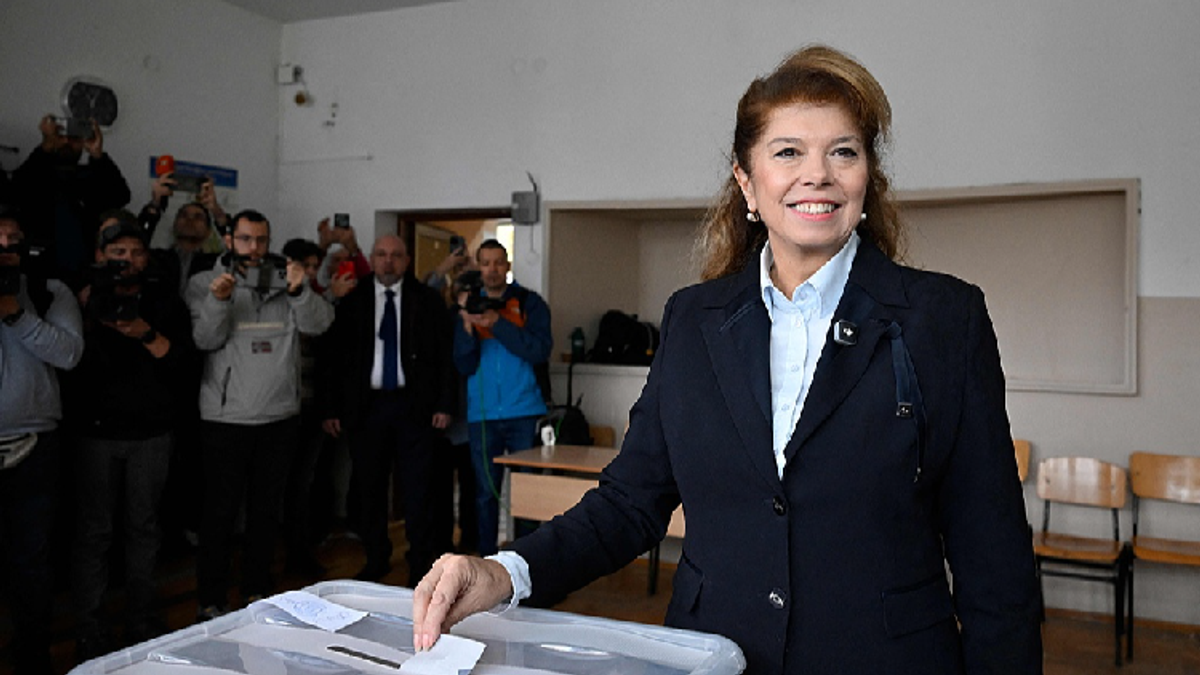
Bulgaria's incumbent president, Iliana Iotova, secured a victory in the presidential runoff election held on November 1, 2026. According to exit polls released by Bulgarian National TV, Iotova garnered approximately 51.1% to 52.5% of the vote, defeating her challenger, former caretaker Prime Minister Andrey Gurov, who received between 43.4% and 44.6%. A notable portion of the electorate, around 4.1% to 4.3%, chose the option "I don't support anyone," highlighting a significant undercurrent of public dissatisfaction. Iotova, who previously served as Vice President for two terms alongside former President Rumen Radev and succeeded him as head of state in January 2026, will now serve a full five-year term as president.
The Bulgarian presidency, while largely ceremonial in its executive functions compared to the prime minister, holds significant symbolic power, acting as commander-in-chief, representing the nation internationally, and serving as a crucial voice in national debates. Iliana Iotova's win represents a vote for continuity and a familiar face in a political landscape often marked by instability and shifting coalitions. Her background within the Bulgarian Socialist Party (BSP), a party with historical ties to Moscow and a traditionally more pragmatic, sometimes cautious, approach to NATO and EU integration, is a critical element in understanding the power dynamics at play.
Bulgaria's unique geopolitical position, straddling the fault lines between Europe and Russia, heavily influences its domestic politics. As a member of both the European Union and NATO, Sofia is formally aligned with the West. However, deep cultural, historical, and economic ties to Russia, particularly concerning energy dependence, create a constant internal tension. The election of a president with roots in the BSP can be interpreted as a subtle nod to this complex balancing act. While Iotova is expected to uphold Bulgaria's EU and NATO commitments, her political lineage suggests a potential for a more nuanced, less confrontational stance on issues where Moscow's interests diverge from Brussels or Washington. This is not necessarily a rejection of the West, but rather a reflection of the internal political calculus required to maintain domestic cohesion in a country where public opinion on Russia is often divided.
Bulgaria has experienced a turbulent political period in recent years, marked by frequent elections, caretaker governments, and widespread protests against corruption and judicial shortcomings. In this context, the electorate's choice of an incumbent, even one who ascended to the presidency mid-term, suggests a preference for stability. After years of political fragmentation and a perceived lack of effective governance, voters may have opted for a known entity rather than risking further upheaval with a new, untested leader. This desire for stability, however, often comes at the expense of deeper, more ambitious reforms, particularly in areas like judicial independence and anti-corruption measures, which are crucial for Bulgaria's full integration into the EU's core values.
The significant percentage of voters choosing "I don't support anyone" is a potent indicator of widespread disillusionment with the political class as a whole. This is not mere apathy; it is an active rejection of the available choices and the perceived inability of politicians to address the country's fundamental problems. This segment of the electorate, often overlooked in post-election analysis, represents a powerful, latent force that can destabilize future governments and fuel populist movements. It signals a deep crisis of trust in democratic institutions and a feeling that the political system is not serving the interests of ordinary citizens.
The outcomes of elections, even for largely ceremonial roles, ripple through the lives of ordinary citizens. In Bulgaria, the human cost of the country's perpetual political balancing act and slow pace of reform is borne by its people in tangible ways.
Years of political instability and persistent corruption have deterred foreign investment and hampered economic growth, leaving many Bulgarians struggling with low wages and limited opportunities. The lack of robust economic prospects, coupled with inadequate public services, fuels a continuous brain drain, as young, educated individuals seek better lives in Western Europe. This emigration depletes Bulgaria's human capital, strains its social security systems, and reduces the tax base, creating a vicious cycle of underdevelopment. Families are separated, communities shrink, and the national spirit suffers from a pervasive sense of being left behind.
Corruption remains a pervasive issue in Bulgaria, impacting everything from healthcare and education to business and justice. For the average citizen, this translates into a lack of trust in institutions, a perception that meritocracy is absent, and often, the necessity of paying bribes to access basic services or navigate bureaucracy. This systemic corruption erodes public confidence, distorts markets, and disproportionately affects the most vulnerable, who lack the means or connections to circumvent the system. The human cost is a daily struggle against an unfair system, a sense of injustice, and a deep cynicism about the possibility of meaningful change.
Ordinary Bulgarians are often caught in the middle of the country's geopolitical tug-of-war. Media narratives, political rhetoric, and historical memory constantly pull them between an idealized West and a nostalgic East. This creates an identity crisis, particularly for younger generations who feel a stronger connection to Europe but live in a society still grappling with its post-communist legacy and Russian influence. The human cost is a fragmented society, where national consensus on critical issues is elusive, and debates often devolve into ideological battles rather than pragmatic problem-solving.
The significant "I don't support anyone" vote is a stark illustration of the human cost of political alienation. These are not merely statistics; they represent individuals who feel unrepresented, unheard, and abandoned by their political leaders. Their decision reflects a deep frustration with a system that they believe offers no genuine choice or path to improvement. This disillusionment can manifest as apathy, but also as simmering resentment that, if left unaddressed, can lead to social unrest or a further retreat from democratic participation.
Behind the official statements and election results, several critical narratives are often downplayed or omitted by powerful actors, offering a more complete picture of Bulgaria's political reality.
While the Bulgarian presidency is largely ceremonial, the incumbent's political background and personal leanings carry significant weight in shaping the country's international image and subtly influencing its foreign policy direction. Iliana Iotova's long association with the Bulgarian Socialist Party, a party that has historically maintained closer ties with Russia and often expresses skepticism about certain EU policies, is not merely a historical footnote. This background, even if tempered by the demands of the presidential office, signals a potential for a more cautious approach to issues like sanctions against Russia, military aid to Ukraine, or the pace of Eurozone adoption. Governments in Brussels and Washington may publicly welcome the stability of an incumbent's win, but they are acutely aware of the nuances of Iotova's political identity and what it might mean for Bulgaria's alignment on key international dossiers. The powerful are downplaying the subtle, yet persistent, influence of historical allegiances on a nation's present choices.
The 4% to 4.3% of voters who chose "I don't support anyone" is a statistic often glossed over, dismissed as mere apathy or a marginal protest. However, this figure represents hundreds of thousands of citizens actively rejecting the entire political establishment. This is not just a lack of engagement; it is a profound statement of no confidence in the political class, signaling a deep chasm between the governed and the governors. Political parties and international observers often prefer to focus on the winning percentages, but the collective voice of those who feel unrepresented speaks volumes about the fragility of Bulgarian democracy and the urgent need for genuine political renewal. The powerful are omitting the true depth of this disillusionment, fearing its implications for their legitimacy.
Bulgaria's elections are never purely domestic affairs. The country remains a battleground for influence between major global powers. Moscow maintains significant economic leverage, particularly through energy supplies, and cultivates cultural and historical ties. Meanwhile, Brussels and Washington exert pressure through EU funding, NATO security guarantees, and demands for rule of law reforms. The unspoken story is how these external forces subtly shape the political discourse, influence media narratives, and even impact campaign strategies. While direct interference is rarely proven, the constant pressure from external actors creates a complex web of incentives and disincentives for Bulgarian politicians, often forcing them to navigate a narrow path between competing loyalties. No major power openly discusses its preferred outcomes or the extent of its influence, choosing instead to frame the election as a purely sovereign democratic exercise.
Despite repeated calls from the European Union and widespread public discontent, the systemic issue of corruption in Bulgaria remains largely unaddressed by the political elite. Election campaigns often touch upon it, but concrete, far-reaching reforms of the judiciary and law enforcement are consistently stalled. This election, like many before it, did not fundamentally alter the power structures that benefit from the status quo. The powerful, particularly those entrenched in existing networks, are downplaying the severity and pervasiveness of corruption, as acknowledging its true scope would necessitate dismantling the very systems that sustain their influence. The public's vote for stability, while understandable, may inadvertently perpetuate the conditions that allow corruption to thrive.
Bulgaria's presidential election is a significant moment, but it is merely one piece of a much larger, ongoing political and geopolitical puzzle. Observers should focus on several key areas to understand the country's trajectory.
While the president is elected, executive power rests with the prime minister and parliament. The stability of the next parliamentary government will be crucial. Will Iotova's presidency foster more consensus, or will political fragmentation continue to plague the legislative branch? The ability of different parties to form stable, reform-oriented coalitions will dictate the pace of progress on critical domestic issues and Bulgaria's standing within the EU.
Given Iotova's political background and Bulgaria's historical ties, watch for any shifts or subtle nuances in Sofia's position regarding the ongoing conflict in Ukraine and the implementation of EU sanctions against Russia. While formal alignment with EU and NATO is expected, any rhetoric or policy decisions that suggest a more accommodating stance towards Moscow, particularly concerning energy imports or diplomatic engagement, will be closely scrutinized by both Western allies and Russia.
The European Union continues to press Bulgaria on rule of law issues, particularly judicial independence and anti-corruption measures. Watch for concrete legislative action and enforcement efforts in these areas. The effective use of EU recovery funds is often tied to such reforms. A lack of tangible progress will signal continued resistance from entrenched interests and may lead to further friction with Brussels.
Keep an eye on Bulgaria's demographic crisis. Continued high rates of emigration, particularly among the youth, and an aging population will have profound long-term impacts on the country's economy, social fabric, and political future. Any policies aimed at retaining talent or attracting returning expatriates will be important indicators of the government's commitment to addressing this fundamental challenge.
Ultimately, the presidential election is a precursor to the true test of political sentiment: the next parliamentary elections. These will determine the composition of the government and its policy agenda. The performance of the incumbent president and the ability of various political forces to address the deep-seated disillusionment reflected in the "I don't support anyone" vote will shape the outcome and, critically, Bulgaria's path forward within Europe and on the global stage.
Incumbent president Iliana Iotova won the presidential runoff election in Bulgaria on November 1, 2026, securing a new five-year term. She defeated former caretaker Prime Minister Andrey Gurov.
The significant percentage of voters who chose 'I don't support anyone' (over 4%) indicates widespread disillusionment and a lack of trust in the political establishment among a substantial portion of the Bulgarian electorate. It represents an active rejection of the available political choices.
While the Bulgarian president is the head of state, commander-in-chief, and represents the nation internationally, the role is largely ceremonial. Executive power primarily resides with the prime minister and the parliament, though the president holds significant symbolic influence and can be a key voice in national debates.
Editor's Note: Analysis is based on the provided raw intelligence and general geopolitical context of Bulgaria. Specific policy platforms of candidates were not detailed in the source, requiring broader contextual interpretation.
Source referenced: CGTN
This brief was synthesized by our Editorial Engine and reviewed by The Ground Narrative team.