TRENDING

Sunday, 8 November 2026
----------------------
28 Jumada Al-Awwal 1448 AH
An ADF attack on a North Kivu village set a health post ablaze, sending Ebola patients and contacts scrambling for safety. The incident reveals how insurgent power, fragile health systems, and civilian suffering intersect in eastern Congo.
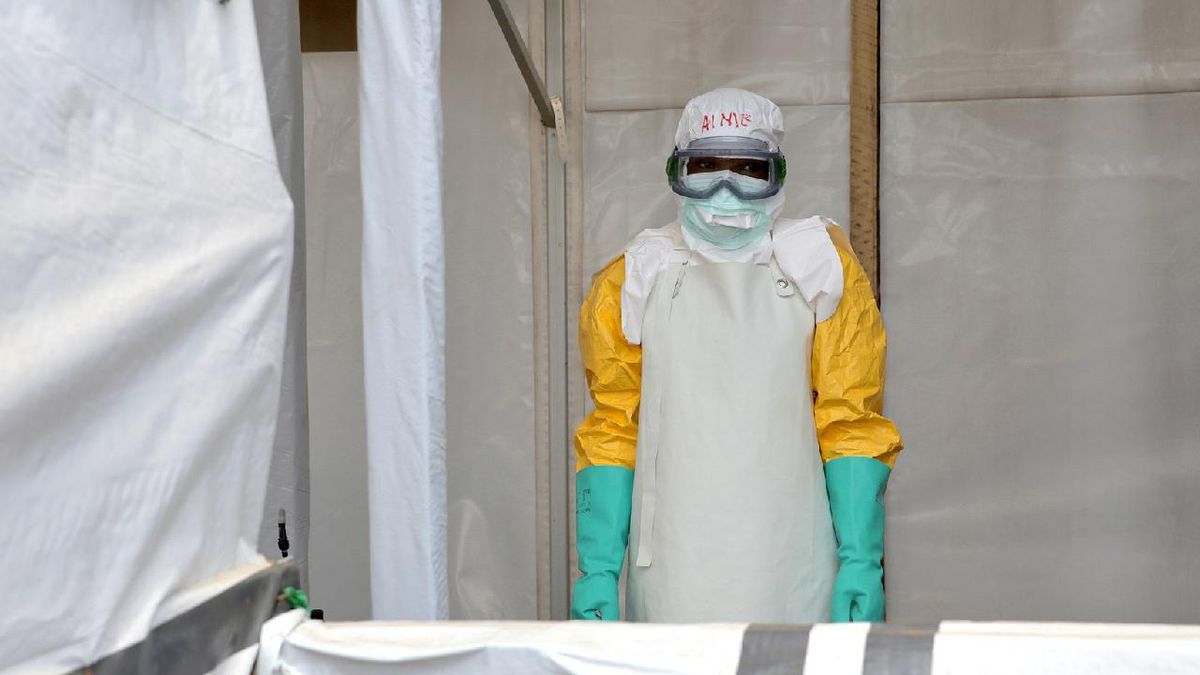
On 7 November 2026, fighters from the Allied Democratic Forces (ADF) stormed Cantine‑Aloya in North Kivu, eastern Democratic Republic of Congo. They torched a health post, burned homes, and killed at least 33 civilians, some with gunshots, others with machetes. Among the fleeing were three high‑risk contacts of a confirmed Ebola case and five suspected infections. The raid forced the hospital’s patients and staff to abandon treatment amid an ongoing outbreak of the Bundibugyo strain, which accounts for roughly half of the country’s new cases.
The ADF, now aligned with Islamic State, exploits the vacuum left by weak state presence and competing armed groups. Their raid serves multiple strategic purposes: it undermines government legitimacy, disrupts humanitarian aid that could stabilize local populations, and signals to rival militias that the group can strike even protected facilities. For the DRC government, the attack compounds an already overstretched security apparatus that must balance counter‑insurgency in the east with a public health emergency. International donors, meanwhile, face a dilemma: funding a health response that can be easily derailed by violence, while also financing military assistance that may exacerbate civilian harm. Economic incentives also play a role; control of mineral‑rich territories funds the ADF’s operations, and any disruption to health services can destabilize labor flows, indirectly boosting the group’s leverage over local economies.
Ebola patients forced to flee lose access to life‑saving care, increasing mortality risk not only for themselves but also for their contacts. The three high‑risk contacts now face quarantine in makeshift settings, where infection control is virtually nonexistent.
Medical staff, already operating under severe protective‑equipment shortages, are traumatized by the loss of their workplace and the threat to their own lives. Many consider abandoning the region, further draining the scarce pool of qualified personnel.
The raid displaced dozens of families, destroyed homes, and sowed fear that hampers daily economic activity such as farming and market trade. With 10,000 confirmed Ebola cases and 5,000 deaths nationwide, each additional disruption magnifies the epidemic’s social and economic toll.
Official statements emphasize the DRC’s “resilience” and the “ongoing fight against terrorism,” downplaying how the government’s limited reach enables militants to target civilian infrastructure. The narrative omits the extent to which security forces have withdrawn from remote health posts, leaving them vulnerable.
International donors often frame aid as purely humanitarian, sidestepping the political calculus that their funds may indirectly sustain a security apparatus implicated in rights abuses. This framing obscures the trade‑off between funding health interventions and bolstering military operations that can exacerbate civilian displacement.
Global coverage focuses on the death toll and the Ebola outbreak, rarely linking the two. The systemic link between insurgent attacks and disease spread receives scant attention, allowing the broader pattern of weaponizing health crises to remain invisible.
Observers should monitor three developing fronts: (1) the DRC government’s response—whether it will prioritize securing health facilities or continue a militarized approach; (2) the flow of international aid—especially any shift toward integrated security‑health packages that could either mitigate or deepen civilian risk; and (3) ADF activity patterns—signs of increased targeting of humanitarian sites would signal a strategic escalation that could further cripple the Ebola response and deepen the humanitarian emergency.
The ADF seeks to undermine state authority and disrupt aid that stabilizes populations. Hitting a health post also spreads fear, making civilians more dependent on the group for protection.
The attack forces patients and contacts to flee, breaking treatment chains and increasing transmission risk. It also discourages health workers from staying, weakening overall response capacity.
Source referenced: CGTN
This brief was synthesized by our Editorial Engine and reviewed by The Ground Narrative team.