TRENDING

Tuesday, 20 October 2026
----------------------
9 Jumada Al-Awwal 1448 AH
Yemen’s war has shut the country’s few functional airports, stranding thousands of patients who need life‑saving treatment abroad. The article unpacks the power dynamics and the human cost of these travel bans.
Yemeni patients who depend on overseas hospitals have been stranded as Sanaa International Airport and Aden International Airport remain closed or intermittently operational due to ongoing fighting. The closures have halted the weekly humanitarian flight to Amman and made overland journeys perilous, leaving an estimated 400,000 people without access to essential medical care.
Both the Saudi‑led coalition and the Houthi movement have repeatedly targeted airport runways to deny the opponent logistical advantages. The coalition’s 2016 shutdown of Sanaa’s commercial traffic was a strategic move to isolate the Houthi‑controlled north, while the Houthis have struck Aden’s runway to prevent coalition‑backed aid from reaching their territories. Each strike reinforces a broader calculus: control of air corridors translates into bargaining chips in any future ceasefire negotiations.
Airspace in Yemen is a proxy battlefield for regional rivalries. Iran’s support for the Houthis includes occasional attempts to land Iranian‑flagged aircraft, prompting the coalition to bomb runways pre‑emptively. Conversely, the United Nations‑brokered truce of 2022, which allowed limited flights, was leveraged by the United Nations to extract humanitarian concessions, yet its enforcement has been weak because neither side trusts the other to keep the airways open without gaining a tactical edge.
Yemen’s health system collapsed under years of conflict, making external medical treatment a necessity rather than a luxury. The Higher Medical Committee in Sanaa coordinates evacuations, but funding for flights is limited and often tied to donor priorities. When flights are cancelled, patients must shoulder costs for private car hires, security clearances, and expensive medical devices—expenses that push families into destitution.
The internationally recognised government, backed by Saudi Arabia and the United Arab Emirates, controls Aden but also relies on the Southern Transitional Council (STC) for security in the south. The STC’s loss of territory in early 2026 reduced the number of functional southern airports, further concentrating evacuation routes through Aden and making them vulnerable to coalition‑aligned missile strikes.
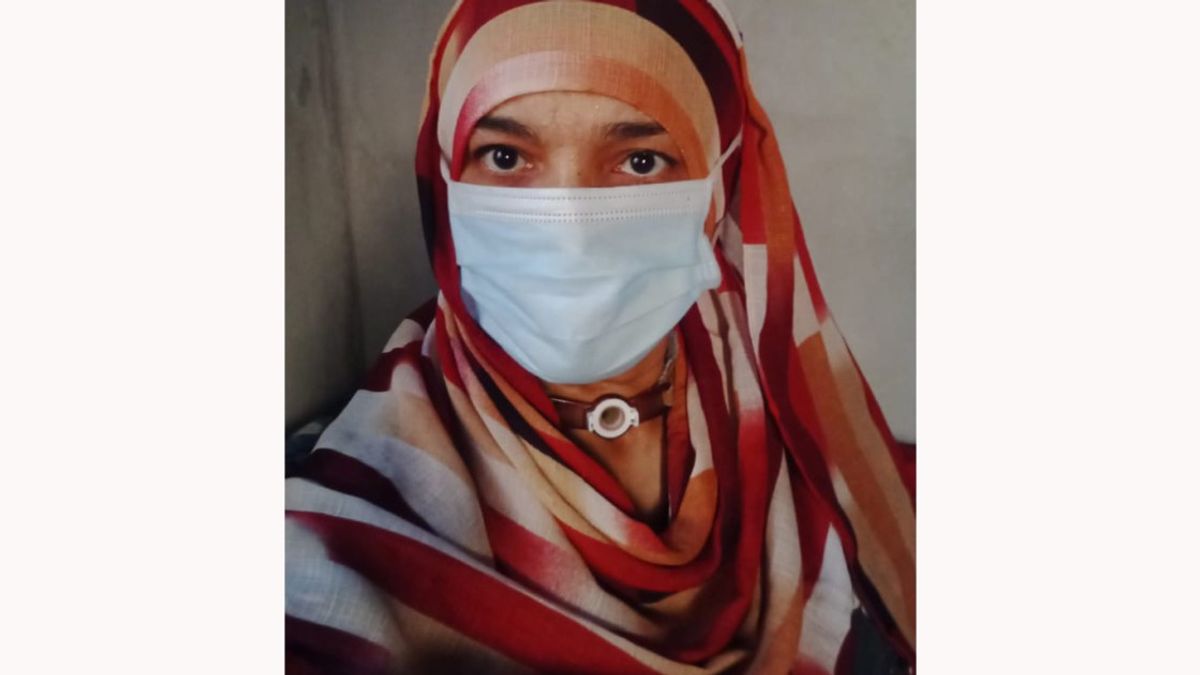
Rajaa Ghirsan, a 50‑year‑old seamstress from Sanaa, must replace a life‑saving airway device every two months at a cost of $100—a sum that dwarfs the average monthly income in the city. Her daughter Nouran has spent a decade caring for her mother while raising two children, illustrating how chronic illness erodes household stability.
Abdulkarim Abdullah, a 60‑year‑old with kidney failure, died on the road to Aden after his family spent $2,300 on transport, accommodation, and security fees. The family sold gold and a car, yet the journey proved fatal, a pattern echoed across northern Yemen where patients die before reaching a runway.
The Houthi Ministry of Health reports 125,000 cancer patients facing drug shortages, while 40,000 thalassemia sufferers lack iron‑chelation therapy. Without regular flights, imported chemotherapy and specialty medicines cannot reach the country, turning treatable conditions into death sentences.
Doctors in Taiz and Aden describe wards filled with patients whose conditions have deteriorated because they cannot travel for transplants, cochlear implants, or heart surgery. The lack of medical evacuation also means that once a patient reaches a foreign hospital, they often cannot return home, leaving families without any support system.
Official statements from both the coalition and the Houthis frame runway strikes as “collateral damage” or “security measures,” omitting the deliberate use of air‑field denial to pressure the opponent into political concessions. The narrative of “protecting civilians” masks a calculated effort to weaponize mobility.
International donors have reduced funding for Yemen’s health sector, citing corruption concerns. This reduction is rarely linked publicly to the airport closures, yet the funding shortfall directly limits the number of evacuation slots the Higher Medical Committee can secure, creating a feedback loop where fewer flights lead to fewer donor appeals.
Global coverage often highlights missile strikes and territorial gains, while the daily reality of patients waiting at makeshift checkpoints receives scant attention. The omission obscures how control of a single runway can dictate the life expectancy of an entire population.
Iran’s occasional attempts to land aid flights are portrayed as humanitarian gestures, but they also serve to demonstrate influence over the Houthis. The coalition’s retaliatory strikes are justified as “defensive,” yet they systematically dismantle the very infrastructure needed for civilian medical evacuation.
- Flight resumption negotiations: Any UN‑mediated agreement to reopen Sanaa or Aden for civilian flights will be a barometer of shifting power balances between the coalition and the Houthis.
- Donor funding trends: Watch for new pledges from the EU, Gulf states, or the World Bank aimed at “health logistics”; the size and timing of these funds will indicate whether the international community is willing to pressure the warring parties.
- Regional diplomatic moves: Iran’s diplomatic outreach to the coalition, or any back‑channel talks involving Saudi Arabia and the United States, could indirectly affect airport security protocols.
- Local resistance and alternative routes: Emerging overland corridors through the Hadramout region or clandestine sea‑based medical evacuations may become more prominent if air travel remains blocked.
- Human rights reporting: Increased documentation of preventable deaths linked to airport closures could trigger investigations by the International Criminal Court, adding legal pressure on the parties involved.
Both the Saudi‑led coalition and the Houthi forces have repeatedly targeted runways to deny each other logistical advantages, turning airports into strategic weapons and halting civilian flights.
The Houthi health ministry estimates about 400,000 patients need treatment abroad, including 250,000 who rely on overseas care and 125,000 cancer patients facing drug shortages.
Increased donor funding for evacuation programs, pressure on the warring parties to keep runways open, and UN‑mediated agreements for safe civilian flights could alleviate the crisis.
Source referenced: ALJAZEERA
This brief was synthesized by our Editorial Engine and reviewed by The Ground Narrative team.