TRENDING

Tuesday, 20 October 2026
----------------------
9 Jumada Al-Awwal 1448 AH
The UK's deployment of Typhoon jets to Saudi Arabia is framed as a defensive measure against Houthi attacks, yet it deepens British involvement in a complex regional conflict. This move highlights the intricate web of energy security, arms deals, and geopolitical influence at play, with significant human costs for the people of Yemen.
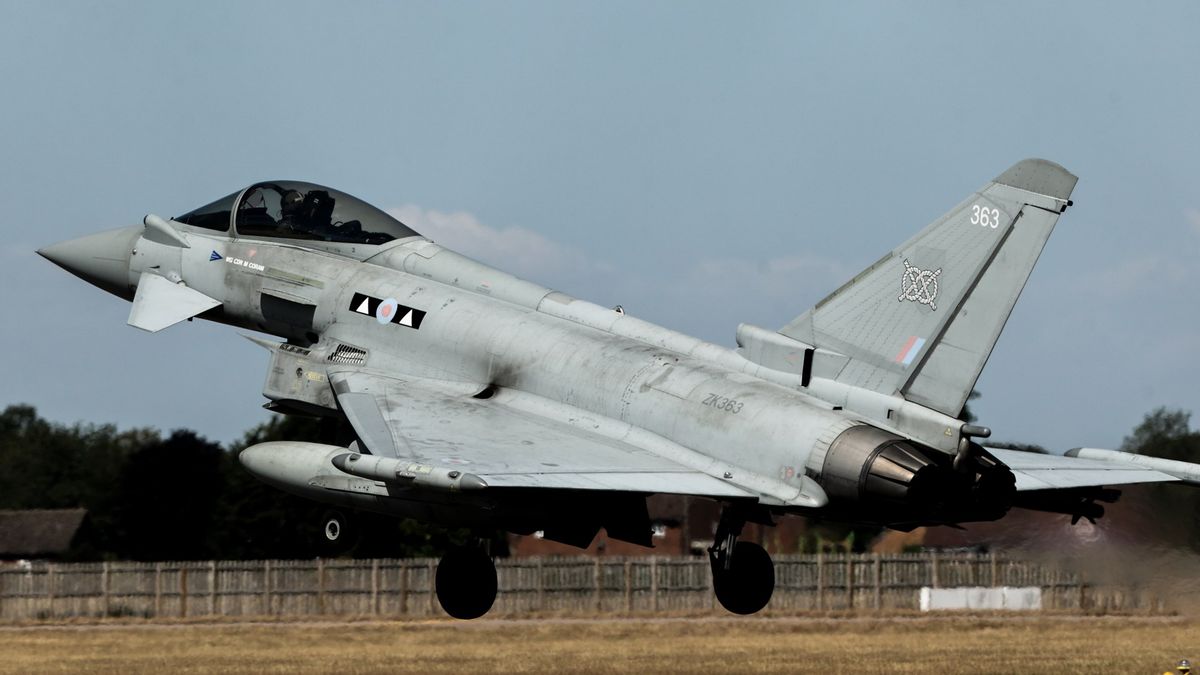
The United Kingdom has announced the deployment of Eurofighter Typhoon warplanes to Saudi Arabia. The British Ministry of Defence stated that these fighter jets would operate in a “defensive role,” conducting “defensive counter air missions” to protect Saudi cities and critical national infrastructure from aerial attacks by Yemen’s Houthis. This support also includes an extension of air-to-air refuelling capabilities for ongoing Saudi air operations. The announcement by UK Defence Secretary Wes Streeting cited the “despicable” nature of Houthi attacks, specifically mentioning the targeting of Riyadh’s main airport, as the justification for this military assistance. This move comes amidst intensified fighting between the Houthis (also known as Ansar Allah) and the internationally recognized Yemeni government, which is backed by a Saudi-led coalition. Reports from London indicate that the decision was partly influenced by growing concerns over rising global energy prices, underscoring the direct link between regional stability and economic impact on UK households.
This deployment, while framed as a straightforward defensive measure, is deeply embedded in a complex web of strategic interests for all actors involved. Understanding these power mechanics reveals the true drivers behind the UK’s decision and its potential ramifications.
The UK's commitment to defending Saudi airspace is not merely an act of solidarity; it serves multiple, interconnected British interests:
- Energy Security: The most immediate and publicly acknowledged driver is the protection of global energy supplies. Saudi Arabia is the world's largest oil exporter. Disruptions to its oil facilities, caused by Houthi attacks, directly impact global oil prices, which in turn affect UK inflation, consumer costs, and economic stability. By securing Saudi infrastructure, the UK is, in essence, safeguarding its own economic well-being.
- Arms Industry and Influence: The UK is a significant supplier of advanced military hardware to Saudi Arabia, including the very Typhoon jets being deployed. This long-standing relationship is worth billions of pounds. Providing direct military support reinforces this lucrative partnership, potentially securing future arms contracts and maintaining British influence within the Saudi military and government. The deployment acts as a demonstration of commitment to a key client state.
- Maintaining Regional Presence: The Gulf region remains strategically vital for global trade and energy. The UK, a historical power in the region, seeks to maintain its influence and presence, often aligning its actions with broader Western interests, particularly those of the United States. This deployment signals continued engagement and a commitment to regional stability, as defined by Western powers.
- Alliance Reinforcement: By supporting Saudi Arabia, the UK reinforces its ties with a crucial regional ally. It also implicitly aligns with the broader security architecture championed by the US in the Middle East, even as Washington seeks to recalibrate its own direct military footprint.
Despite its vast military expenditure, Saudi Arabia has proven vulnerable to the asymmetric capabilities of the Houthis. Drone and missile attacks, though often intercepted, pose a persistent threat to critical infrastructure and civilian areas. External air defense support allows Saudi Arabia to:
- Protect Key Assets: Shield its oil facilities, airports, and urban centers from disruption and damage, which are crucial for its economic stability and ambitious diversification plans under Vision 2030.
- Project Strength: Demonstrate to its adversaries and its own population that it can secure external military assistance, bolstering its image as a capable regional power.
- Free Up Resources: The presence of UK jets can free up Saudi air assets for other operations, including its ongoing offensive campaign in Yemen, without leaving its homeland critically exposed.
The Houthis, backed by Iran, have developed a sophisticated and cost-effective strategy of asymmetric warfare. Their drone and missile capabilities allow them to:
- Inflict Economic and Psychological Pain: Target Saudi infrastructure to demonstrate their reach and capability, aiming to pressure Riyadh into concessions in the Yemen conflict.
- Challenge Superior Power: Leverage low-cost, high-impact attacks to challenge a technologically superior military force, turning Saudi Arabia's economic strength into a potential vulnerability.
- Leverage Iranian Support: Benefit from Iranian technical expertise and material support, allowing them to project power without direct Iranian military involvement, complicating any direct retaliation against Tehran.
Iran's role is crucial in enabling the Houthis. By providing support, Iran achieves several objectives:
- Proxy Pressure: Exerts pressure on its regional rival, Saudi Arabia, and by extension, Western powers, without engaging in direct military confrontation.
- Low-Cost Influence: Maintains influence in the strategically vital Bab el-Mandeb strait and the broader Arabian Peninsula at minimal direct cost or risk to its own military.
While the deployment is framed in terms of national security and economic stability, the human cost of this deepening intervention is profound, particularly for those caught in the existing conflict.
The most devastating human cost falls squarely on the people of Yemen. The UK's deployment, by bolstering one side of the conflict, risks prolonging a war that has already created one of the world's worst humanitarian crises:
- Humanitarian Crisis: Millions of Yemenis face starvation, displacement, and a complete breakdown of basic services like healthcare and sanitation. The conflict has decimated infrastructure, livelihoods, and the social fabric of the nation.
- Prolonged Suffering: Any action that entrenches the military stalemate, rather than pushing for a political solution, condemns more Yemenis to continued suffering under conditions of war, blockade, and internal displacement.
- Cycle of Violence: The
The UK is deploying Typhoon jets to Saudi Arabia to conduct defensive counter-air missions, protecting Saudi cities and critical infrastructure from Houthi missile and drone attacks. This decision is driven by concerns over regional stability, global energy prices, and the UK's long-standing strategic and commercial interests with Saudi Arabia.
While the current deployment is framed as defensive, the UK has a deep, historical military relationship with Saudi Arabia, including being a major arms supplier to the Saudi-led coalition involved in the Yemen conflict. This intervention implicitly supports one side of the conflict, potentially prolonging the humanitarian crisis in Yemen.
The Houthis, also known as Ansar Allah, are an armed political and religious movement from Yemen. Backed by Iran, their primary goal is to challenge the internationally recognized Yemeni government and the Saudi-led coalition, using asymmetric warfare tactics like drone and missile attacks to pressure Saudi Arabia and assert their regional influence.
Source referenced: ALJAZEERA
This brief was synthesized by our Editorial Engine and reviewed by The Ground Narrative team.