TRENDING

Tuesday, 20 October 2026
----------------------
9 Jumada Al-Awwal 1448 AH
Bulgarian leaders pledged deeper ties with Beijing, positioning Sofia as a Eurasian gateway. The move reshapes power dynamics while ordinary Bulgarians face new economic and environmental stakes.
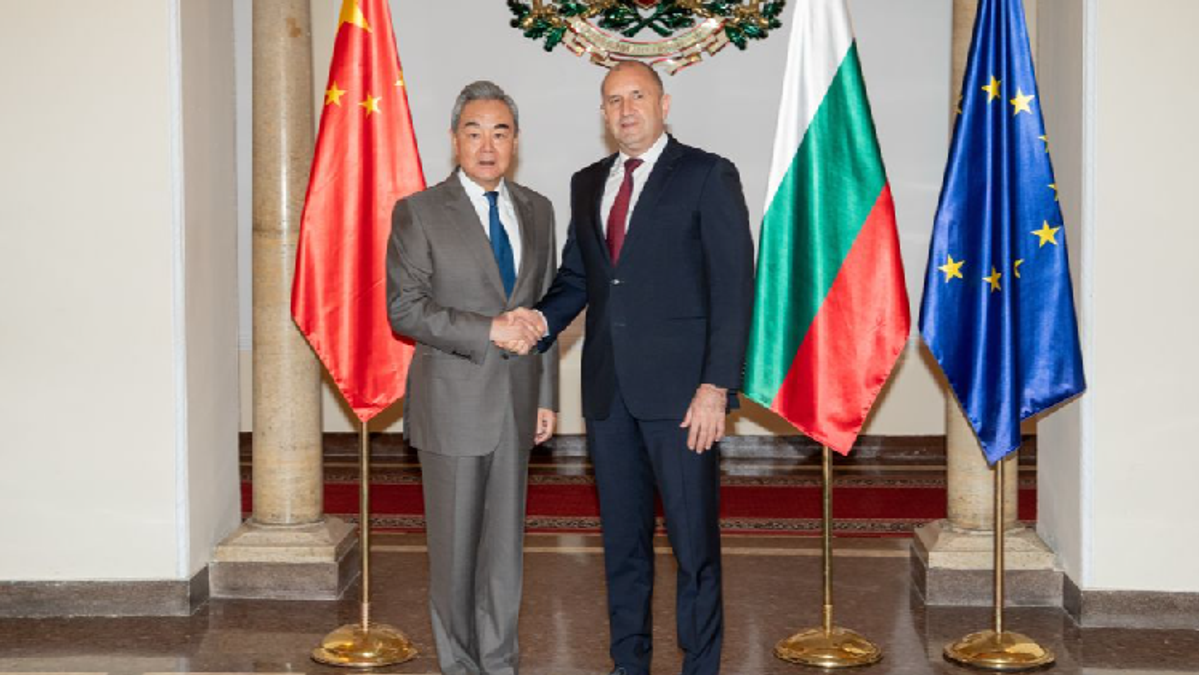
Bulgarian Prime Minister Rumen Radev met Chinese Foreign Minister Wang Yi in Sofia on October 19, 2026. Both sides announced plans to "elevate" bilateral relations, invite Chinese investment, and promote Bulgaria as a logistical hub linking Europe and Asia.
- European Union members have long warned against deepening ties with Beijing that could undermine collective trade rules. Yet Bulgaria, a NATO ally, sees an opportunity to attract capital for its lagging infrastructure.
- The Belt and Road Initiative (BRI) offers financing for rail links, ports, and digital networks. For China, a foothold in the Balkans bypasses the EU’s traditional corridors and creates a direct conduit for goods to the Black Sea.
- Domestic politics also play a role. Radev’s government, facing sluggish growth and a fragmented parliament, leverages Chinese goodwill to bolster its own legitimacy and sidestep costly reforms demanded by Brussels.
- From a strategic standpoint, the partnership feeds into China’s broader aim of reshaping the Eurasian connectivity map, while the United States watches the Balkans for signs of Beijing’s expanding influence.
- Bulgarian workers in construction and logistics stand to gain jobs, but many projects are tied to loans with steep repayment terms that could saddle the state with debt.
- Small‑scale farmers near proposed rail corridors fear land expropriation and loss of fertile soil, a pattern observed in other BRI‑linked nations.
- Environmental groups warn that increased freight traffic could exacerbate air pollution in Sofia’s already congested urban core, affecting public health.
- The promise of cheaper Chinese goods may temporarily ease inflation, yet it also pressures local manufacturers who struggle to compete with subsidized imports.
- EU competition policy officials quietly caution that Bulgarian concessions could set a precedent for other member states, potentially eroding the bloc’s negotiating leverage with China.
- US strategic concerns are largely omitted from official statements, but Washington’s diplomatic cables describe Sofia’s outreach as a “soft‑balancing” move that could complicate NATO cohesion.
- Chinese state firms often operate through opaque subsidiaries, making it difficult for Bulgarian watchdogs to assess the true ownership and long‑term control of critical infrastructure.
- While Radev emphasizes “win‑win” outcomes, the language masks a deeper calculus: securing Chinese capital may come at the cost of policy autonomy, especially in sectors like telecommunications and energy.
- The rollout of the railway projects connecting the Port of Varna to the Chinese rail network will be a litmus test for the partnership’s feasibility and fiscal sustainability.
- Upcoming EU‑China investment treaty negotiations could either tighten safeguards or grant additional privileges to Chinese firms operating in Bulgaria.
- Watch for parliamentary debates in Sofia over loan terms and transparency requirements; any backlash could signal growing domestic resistance.
- Finally, monitor NATO’s response to Bulgaria’s deepening ties, as allied commanders assess whether the country’s strategic posture remains aligned with collective defense commitments.
Sofia seeks investment for infrastructure, jobs, and a role as a logistics hub, hoping to boost its lagging economy and increase political leverage within the EU.
Closer ties could create friction with EU competition rules and raise concerns in NATO about strategic alignment, especially if Chinese assets gain influence over critical sectors.
Source referenced: CGTN
This brief was synthesized by our Editorial Engine and reviewed by The Ground Narrative team.