TRENDING

Saturday, 19 September 2026
----------------------
8 Rabi' Al-Thani 1448 AH
Wildfires in eastern Washington state have forced the evacuation of 60,000 people, destroying over 600 structures, while dozens of other fires rage across the Western United States. As the region struggles to contain the blazes, concerns over climate change and disaster preparedness come to the forefront.
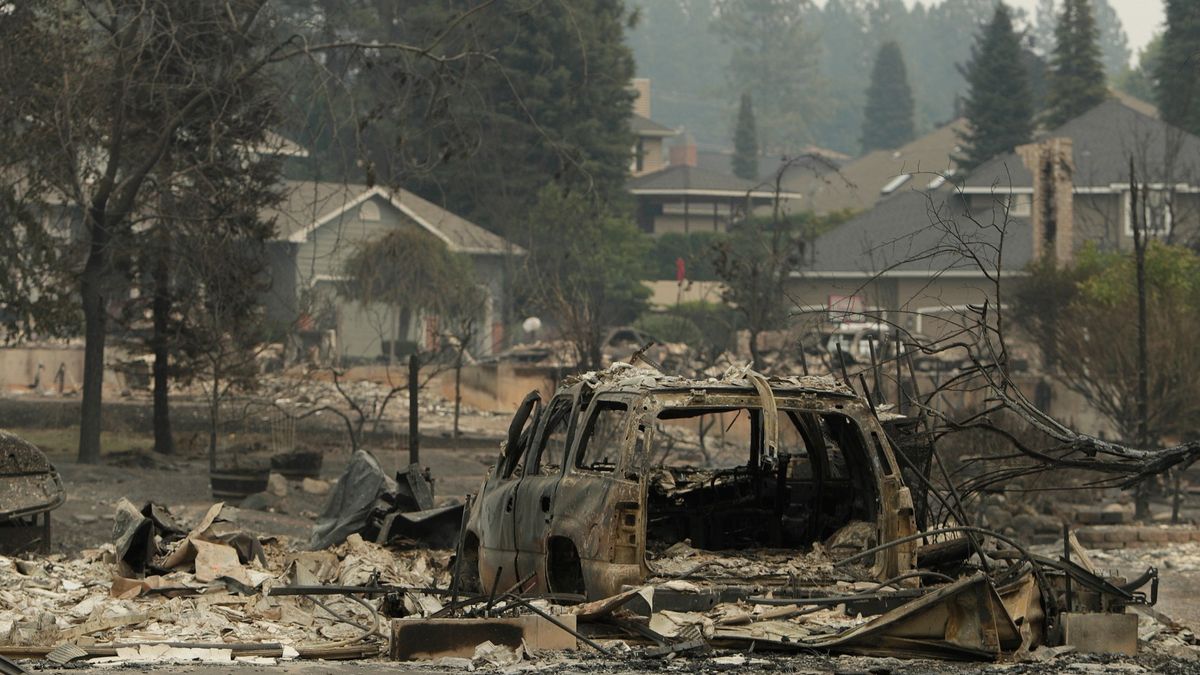
Wildfires in eastern Washington state have ravaged the Spokane area, forcing the evacuation of 60,000 people and destroying at least 600 homes, businesses, and other structures. The fires, which burned approximately 21 square kilometers over the weekend, are among dozens of wildfires across the Western United States that have pushed federal, state, and local agencies to their limits.
The increasing frequency and severity of wildfires in the American West can be attributed to a combination of factors, including climate change, drought, and land management practices. The role of climate change is particularly significant, as rising temperatures and changing precipitation patterns create ideal conditions for wildfires to spread. However, the issue is often downplayed by powerful actors, who may prioritize short-term economic interests over long-term environmental sustainability. The lack of investment in disaster preparedness and mitigation also exacerbates the problem, leaving communities vulnerable to the devastating effects of wildfires.
The people of Spokane and surrounding areas are bearing the brunt of the disaster, with many forced to flee their homes and livelihoods. The emotional and psychological toll of such events should not be underestimated, as families struggle to come to terms with the loss of their properties and the uncertainty of their future. Moreover, the economic impact of the wildfires will be felt for months to come, as local businesses and industries suffer from the disruption.
What is being downplayed or omitted from the official narrative is the systemic failure to address the root causes of these disasters. The influence of special interest groups, such as the fossil fuel industry, can be seen in the lack of meaningful action on climate change. Furthermore, the disproportionate impact of wildfires on marginalized communities, such as low-income families and indigenous populations, is often overlooked. These groups may lack the resources and infrastructure to respond to and recover from disasters, making them even more vulnerable to the effects of climate change.
As the situation in the Western United States continues to unfold, readers should watch for increased calls for climate action and disaster preparedness measures. The response of local and federal authorities will be crucial in determining the effectiveness of relief efforts and the long-term recovery of affected communities. Additionally, the role of international cooperation in addressing the global climate crisis will become increasingly important, as the American West is not alone in facing the devastating consequences of climate change.
Editor's Note: The analysis is based on current trends and available data, but the situation is subject to change as more information becomes available.
Source referenced: ALJAZEERA
This brief was synthesized by our Editorial Engine and reviewed by The Ground Narrative team.


