What Happened
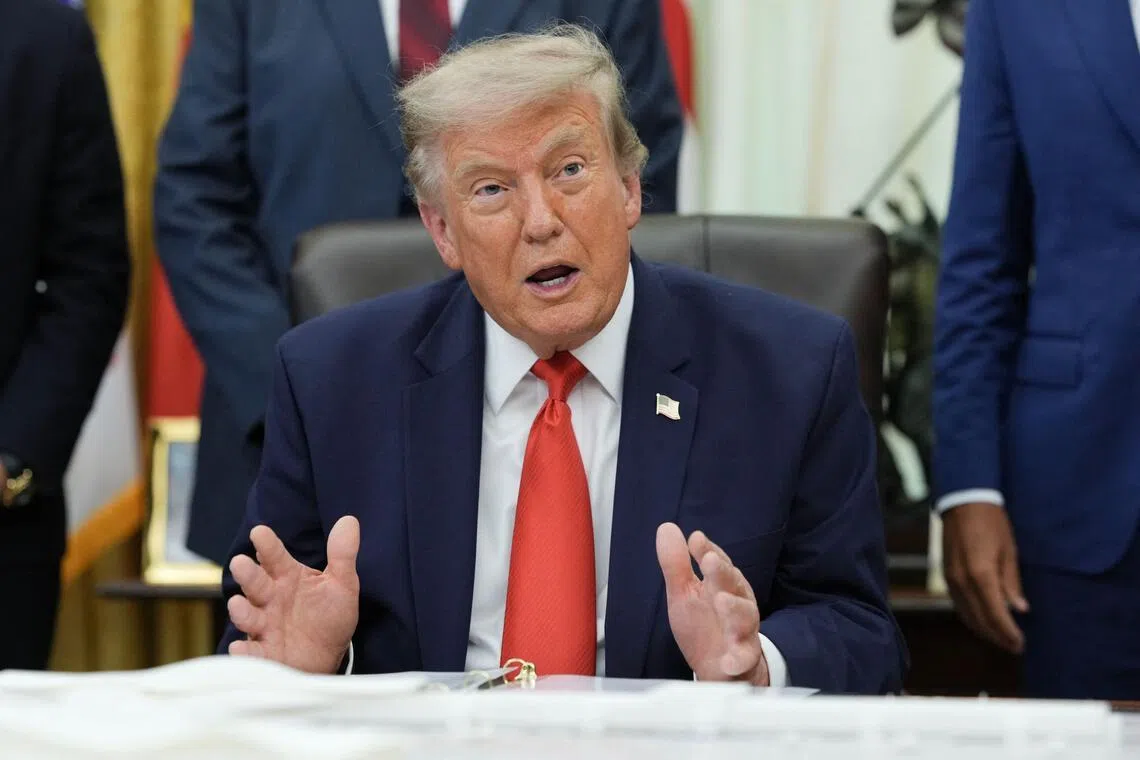
US President Donald Trump has asked the US Supreme Court to revive his failed lawsuit against Hillary Clinton, the Democratic National Committee, and others, accusing them of conspiring to tarnish his 2016 campaign with bogus claims of collusion with Russia. The case, filed in March 2022, was dismissed by a lower court and upheld by the 11th US Circuit Court of Appeals, which also imposed nearly $1 million in sanctions against Trump and one of his lawyers.
The Power Mechanics
Trump's lawsuit is part of a larger pattern of using the courts to settle political scores and distract from his own controversies. By filing numerous lawsuits, including multibillion-dollar defamation suits against the media, Trump aims to create a sense of chaos and uncertainty, making it difficult for his opponents to focus on his policies and actions. This strategy also allows him to claim that he is being unfairly targeted by the legal system, which resonates with his base. Furthermore, the lawsuits provide a platform for Trump to promote his narrative and dominate the news cycle, thereby maintaining his grip on the public's attention.
The Human Cost
The people who bear the human cost of Trump's lawsuits are not just his political opponents but also the ordinary citizens who are affected by the distraction and polarization caused by these legal battles. The lawsuits also have a chilling effect on free speech, as media outlets and individuals may become more cautious in their criticism of Trump, fearing costly legal battles. Additionally, the sanctions imposed on Trump and his lawyers serve as a reminder that the legal system is not a playground for the powerful, and that there are consequences for abusing the courts for political gain.
The Untold Story
What Trump and his supporters are downplaying is the fact that the lawsuits are not just about seeking justice but also about maintaining a narrative of victimhood and persecution. By portraying himself as a victim of the legal system, Trump aims to create a sense of sympathy and solidarity among his base, which can be leveraged to further his political goals. Moreover, the lawsuits serve as a smokescreen for Trump's own controversies, including his alleged ties to Russia and his handling of sensitive information. The real story is not about the lawsuits themselves but about the power dynamics at play and the ways in which Trump is using the legal system to advance his interests.
What to Watch
As the case makes its way to the Supreme Court, readers should watch for how the justices respond to Trump's appeal. Will they grant him an extension, or will they dismiss the case outright? Moreover, how will Trump's opponents, including Hillary Clinton, respond to the latest developments? The outcome of this case will have significant implications for the balance of power in the US legal system and the ability of politicians to use the courts for political gain. Ultimately, the question is not just about the lawsuit itself but about the kind of political culture that Trump's actions are creating, and what that means for the future of American democracy.