TRENDING

Saturday, 19 September 2026
----------------------
8 Rabi' Al-Thani 1448 AH
Togo has emerged as a critical new transit point for Russian weapons shipments to Mali, circumventing Western sanctions and traditional routes. This development underscores Russia's expanding influence in West Africa and the complex calculations of regional governments.
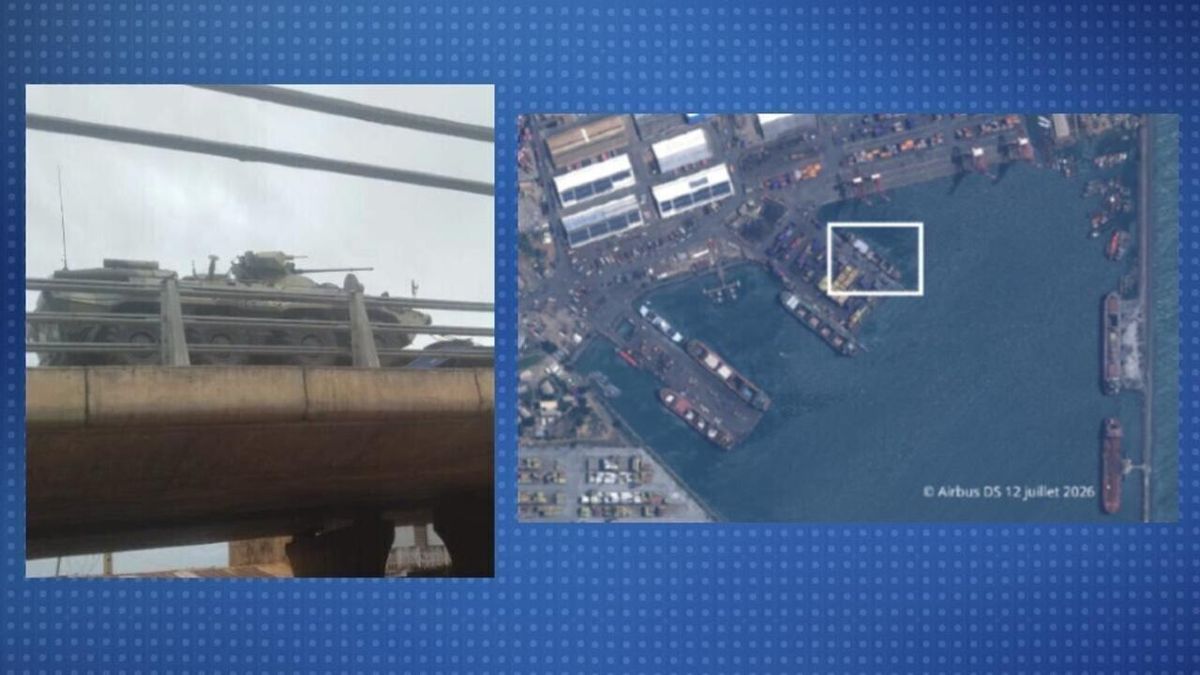
In July 2026, a Russian cargo ship, the *Mikhail Britnev*, under US sanctions since the invasion of Ukraine, docked at the Port of Lomé in Togo. Its cargo of armored fighting vehicles and personnel carriers was then transported over 1,800 kilometers through Burkina Faso to Mali. This marks a significant shift, establishing Togo as a new, longer logistics corridor for Russian military aid to the Malian Armed Forces (FAMA) and the Russian-backed Africa Corps, replacing previous routes through Guinea.
This new route through Togo illuminates a complex web of strategic calculations and power shifts in West Africa. For Russia, it represents a successful circumvention of Western sanctions, demonstrating its capacity to maintain and expand influence in a region where former colonial powers, particularly France, have seen their presence diminish. By supplying military hardware, Moscow secures a foothold, gaining diplomatic leverage and access to resources, while also projecting an image of a reliable security partner to regimes facing internal instability and external pressure. The presence of Chinese-made vehicles in the shipment also hints at a broader, quiet alignment of interests, with China potentially facilitating Russia's proxy operations.
Mali, under military rule, relies heavily on Russian support for its fight against jihadist groups and for regime survival, following the withdrawal of French forces. The new route, despite its length, offers a more secure and logistically viable option, potentially due to capacity issues at Guinea's Conakry port or Guinea's reluctance to handle sanctioned cargo. For Togo, a nation historically aligned with Western powers, allowing the transit of sanctioned Russian military equipment is a calculated risk. It signals a willingness to diversify its diplomatic and economic partnerships, potentially seeking economic benefits, security cooperation, or simply asserting greater autonomy from Western influence. This move could also be a play for regional relevance, positioning Lomé as a critical logistical hub in a rapidly reconfiguring geopolitical landscape.
The most immediate human cost of this new arms corridor falls squarely on the ordinary citizens of Mali, Burkina Faso, and potentially Togo. Increased weapon flows into Mali, intended to bolster FAMA and the Africa Corps, often correlate with an escalation of conflict, leading to more civilian casualties, displacement, and humanitarian crises. Communities caught between warring factions, whether jihadist groups or state-backed forces, face heightened insecurity, disruption of livelihoods, and violations of human rights. The longer transit route through Burkina Faso also exposes new populations to the risks associated with military convoys and potential attacks, further destabilizing an already fragile region.
Beyond the direct conflict, the decision by Togo to facilitate sanctioned shipments carries economic risks for its own population. Should Western nations impose secondary sanctions or diplomatic penalties, ordinary Togolese citizens could face economic hardship through reduced trade, investment, or development aid. The long-term stability of the region is undermined when nations prioritize short-term gains or geopolitical alignments over the collective security and well-being of their people, perpetuating cycles of violence and underdevelopment.
What governments and official statements often downplay or omit is the long-term, systemic impact of such shifts on regional governance and stability. While presented as security assistance, the influx of arms, particularly from actors like Russia, often entrenches authoritarian regimes and empowers paramilitary groups, making genuine democratic transitions and civilian protection more challenging. The silence around the potential political price Togo might pay, or the true extent of its alignment with Russia, is deafening. Is Togo merely a transit point, or is this a deeper strategic pivot? The lack of transparency surrounding the agreements between Lomé and Moscow leaves citizens and regional observers in the dark about the true nature of these partnerships and their potential consequences.
Furthermore, the effectiveness of Western sanctions regimes is quietly being tested and, in this instance, circumvented. The ability of a sanctioned vessel to traverse international waters, be monitored by Western navies, and still deliver its cargo through a sovereign port highlights the limitations of current enforcement mechanisms. This episode underscores a growing trend where non-Western powers are actively challenging and undermining the established international order, often with the quiet complicity of smaller states seeking alternative patrons or economic opportunities.
Observers should closely watch the Western response to Togo's actions. Will the US and its allies impose sanctions on Togo or exert diplomatic pressure, and if so, how will Lomé react? The strength of this response will signal the West's resolve to enforce its sanctions and counter Russian influence in the region. Furthermore, monitor the evolving security situation along the new logistics corridor through Burkina Faso and Mali. Any increase in attacks on convoys or civilian populations along this route would indicate further destabilization. Finally, pay attention to whether other West African nations, particularly those with military governments or facing similar security challenges, might follow Togo's lead in seeking alternative security partners and logistical arrangements, potentially accelerating a broader geopolitical realignment across the continent. The quiet shifting of supply lines today could reshape regional power dynamics for years to come.
Source referenced: FRANCE24
This brief was synthesized by our Editorial Engine and reviewed by The Ground Narrative team.


