TRENDING

Friday, 7 August 2026
----------------------
24 Safar 1448 AH
Iran's parliament speaker accuses the US of 'theatre diplomacy' as tensions over the Strait of Hormuz continue to escalate, with oil prices soaring and the region on the brink of war. The conflict has significant implications for global energy security and the balance of power in the Middle East.
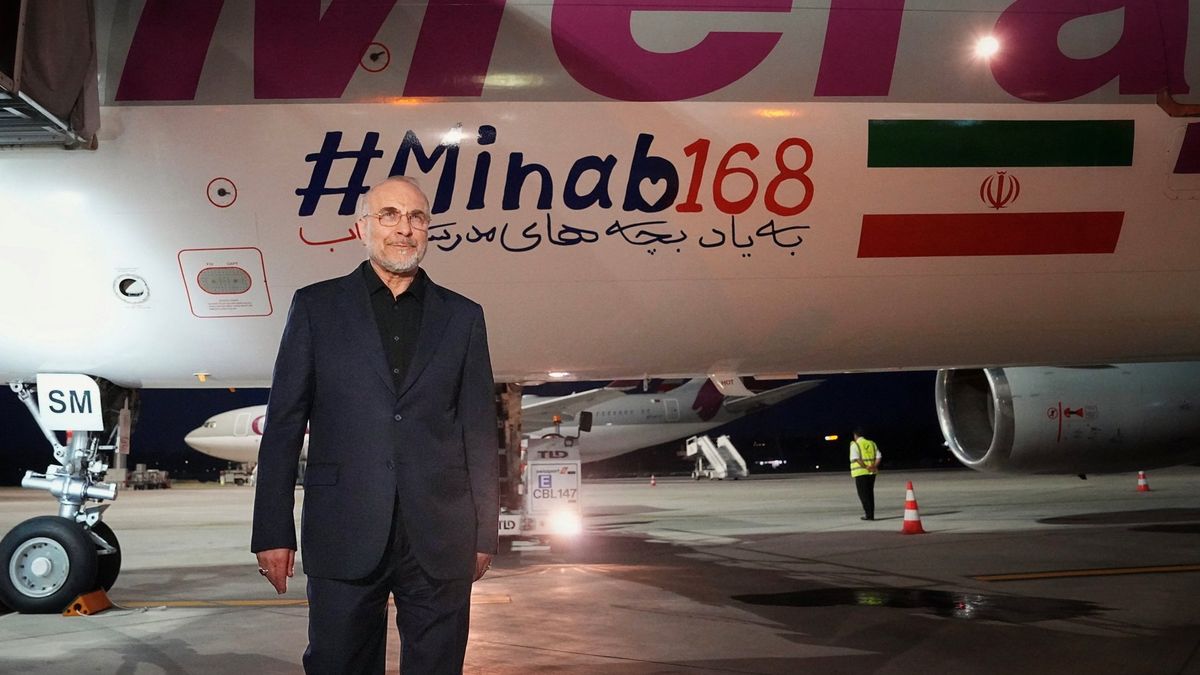
The Iranian parliament speaker, Mohammad Bagher Ghalibaf, has accused US President Donald Trump of conducting 'theatre diplomacy' by repeatedly threatening to attack Iran and then calling off the strikes. This comes as Iran and Oman are engaged in talks to reopen the Strait of Hormuz, a critical waterway for global energy.
The US and Iran are engaged in a high-stakes game of power and perception, with the Strait of Hormuz at the center. The US is seeking to maintain its influence in the region and ensure the free flow of oil, while Iran is asserting its sovereignty over the waterway and seeking to gain leverage in negotiations. The US has been using a mix of military threats and diplomatic overtures to try to pressure Iran into a deal, but Iran has so far refused to back down.
The conflict over the Strait of Hormuz has significant human costs, with oil prices soaring and the region on the brink of war. The closure of the strait has already had a major impact on global energy markets, with prices rising sharply. The conflict also has the potential to escalate into a wider regional war, which could have devastating consequences for civilians in the region. The people who bear the human cost of this conflict are not just those living in the immediate vicinity of the Strait of Hormuz, but also those around the world who are affected by rising oil prices and the potential for global economic instability.
What is being downplayed in the official narrative is the role of Israel in the conflict. The article mentions that Israel and the US attacked Iran on February 29, launching a months-long regional war. However, the extent of Israel's involvement in the conflict and its goals are not being fully disclosed. Additionally, the US is framing the conflict as a simple matter of Iran's 'nuclear threat', but the reality is more complex, with multiple factors at play, including regional power dynamics and the struggle for influence in the Middle East.
As the situation continues to unfold, readers should watch for signs of a potential breakthrough in negotiations between Iran and the US. The US has claimed that a deal is close, but Iran has emphasized that it is prepared for a long war. The next few weeks will be critical in determining the trajectory of the conflict, with the potential for either a diplomatic breakthrough or a further escalation of violence. The impact of the conflict on global energy markets and the balance of power in the Middle East will also be important to watch, as the situation continues to evolve.
Editor's Note: The situation in the Strait of Hormuz is highly fluid and subject to change. The analysis provided is based on current information and may need to be updated as new developments emerge.
Source referenced: ALJAZEERA
This brief was synthesized by our Editorial Engine and reviewed by The Ground Narrative team.