TRENDING

Sunday, 20 September 2026
----------------------
9 Rabi' Al-Thani 1448 AH
As the US and Iran engage in a delicate dance of negotiations, the fate of the Strait of Hormuz hangs in the balance. With the global economy at stake, the true intentions of powerful actors remain shrouded in mystery. The people of the region bear the brunt of the conflict, while the world watches with bated breath.
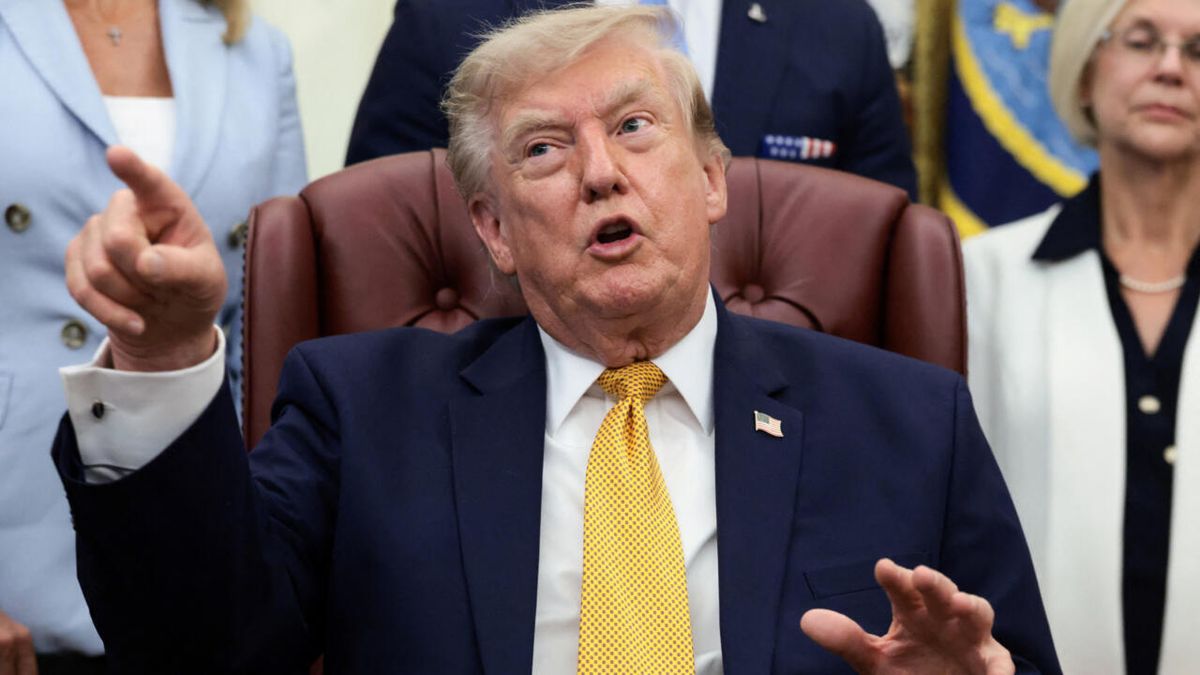
The United States and Iran have been locked in a conflict since February, with the Strait of Hormuz emerging as a critical point of contention. Despite denials from Tehran, US President Donald Trump claims that negotiations are ongoing, with the Islamic Republic facing a 'last chance' to reach an agreement. The talks are focused on reopening the Strait of Hormuz and the denuclearization of Iran.
The Strait of Hormuz is a vital waterway, with nearly a third of the world's oil supplies passing through it. The US and its allies are keen to maintain free passage, while Iran seeks to exert control and charge fees. The conflict is not just about the strait, but also about the regional balance of power. The US, Saudi Arabia, the United Arab Emirates, and Qatar are pushing for a deal, while Iran remains defiant. The power dynamics at play are complex, with each side seeking to maximize its leverage.
The people of the region are paying the price for the conflict. The blockade of the Strait of Hormuz has disrupted oil supplies, leading to economic hardship. The war has also resulted in the loss of life, with civilians caught in the crossfire. The humanitarian situation is dire, with many relying on aid to survive. The conflict has also had a devastating impact on the environment, with oil spills and pollution affecting the marine ecosystem.
Despite the public posturing, the true intentions of the powerful actors involved remain unclear. The US claims to be seeking a peaceful resolution, but its actions suggest otherwise. Iran, on the other hand, is playing a delicate game, seeking to maintain its sovereignty while avoiding further conflict. The role of other regional players, such as Oman, is also crucial, as they seek to navigate the treacherous waters of the conflict. The US's counter-blockade of Iranian ports has also had a significant impact, with Iran's economy suffering as a result.
As the negotiations continue, the world will be watching with bated breath. The outcome of the talks will have far-reaching implications for the region and the global economy. The US and Iran will need to find a way to address their differences, while also satisfying the demands of their respective allies. The people of the region will be hoping for a peaceful resolution, but the path ahead is fraught with uncertainty. The next few weeks will be critical, as the US and Iran engage in a high-stakes game of diplomacy and deception.
Editor's Note: The analysis is based on publicly available information and may not reflect the full complexity of the situation on the ground.
Source referenced: FRANCE24
This brief was synthesized by our Editorial Engine and reviewed by The Ground Narrative team.


