TRENDING

Tuesday, 20 October 2026
----------------------
9 Jumada Al-Awwal 1448 AH
A Russian drone hit a public park in Ukraine’s Kharkiv region, killing six, three of them children. The strike highlights fragile air defenses and the human toll of the war.
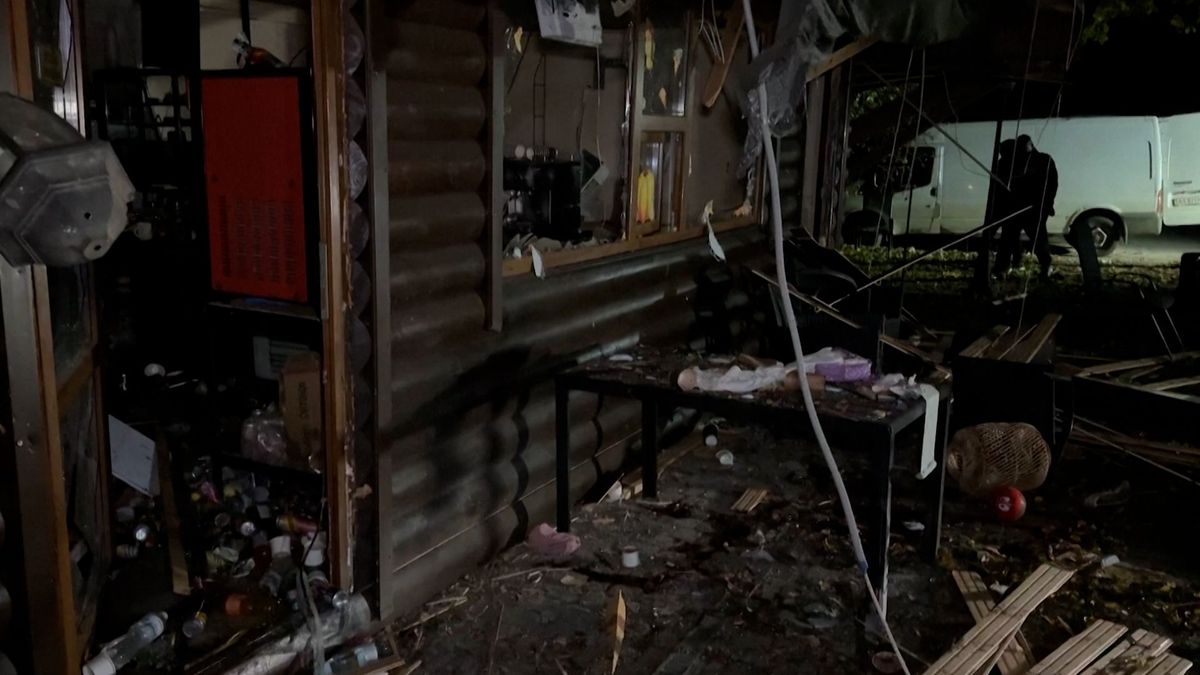
On 19 October 2026 a Russian Shahed‑type drone struck a municipal park in the north‑eastern Kharkiv region of Ukraine. Six people were killed, three of them children, and several others were wounded. The attack occurred during daylight hours, when families were using the park for recreation, underscoring the indiscriminate nature of the strike.
The strike is not an isolated incident; it fits into a broader calculus of Russia’s war strategy. First, the use of low‑cost, expendable drones allows Moscow to sustain pressure on Ukrainian front‑line and rear‑area targets without risking high‑value aircraft or pilots. Second, the timing aligns with heightened diplomatic activity in Washington, where former President Donald Trump has floated the idea of importing Russian diesel to ease U.S. energy prices. By demonstrating that Russian forces can still reach deep into Ukrainian territory, Moscow reinforces its bargaining chip in any future negotiations over sanctions or energy deals.
From Kyiv’s perspective, the incident exposes a critical vulnerability in its layered air‑defence architecture. The Kharkiv region, a historic industrial hub, has long relied on a mix of Soviet‑era S‑300 systems and newer Western‑supplied Patriot batteries. However, supply chain bottlenecks, training gaps, and the sheer volume of incoming drones strain the system. Ukrainian commanders must balance the need to protect high‑value military assets with the political imperative to safeguard civilian spaces, a dilemma that often forces them to prioritize one over the other.
Internationally, the strike reverberates through NATO’s eastern flank. Allies in the alliance have pledged air‑defence aid, but the delivery timeline remains uncertain. The episode also fuels domestic debates in the United States about the morality of engaging economically with a belligerent power while its weapons are still being used against civilians. In short, the drone strike is a micro‑cosm of intersecting incentives: Russian persistence, Ukrainian resource constraints, and Western political calculations.
The most immediate loss is felt by the families of the three children killed. In a region where multigenerational households are common, the death of a child ripples through extended kin networks, leaving grandparents, aunts, and uncles to shoulder both emotional trauma and new economic responsibilities. Many of these families already struggle with reduced incomes due to wartime disruptions in agriculture and manufacturing.
Local hospitals, already operating at capacity, faced a sudden influx of trauma cases. Surgeons had to prioritize life‑saving procedures, delaying elective surgeries for chronic conditions such as heart disease and diabetes. The park, once a communal gathering spot, is now cordoned off, depriving residents of a rare green space that offers mental‑health relief in a war‑torn environment.
Beyond the three victims, dozens of children witnessed the explosion, a factor that research links to long‑term anxiety, post‑traumatic stress disorder, and impaired schooling. Teachers in nearby schools report increased absenteeism and difficulty concentrating, symptoms that could erode the region’s human capital for years.
Both Russia and Ukraine have framed the incident in ways that serve their strategic messaging. Moscow’s state media labeled the strike a “targeted operation against a suspected enemy gathering point,” omitting any reference to the park’s civilian status. Kyiv, while condemning the attack, emphasized the need to “strengthen air‑defence coverage” without fully acknowledging the failure to protect a public space.
The timing of the strike coincides with renewed lobbying in Washington for Russian diesel imports, a move championed by former President Trump and his allies. Critics argue that the push for cheaper fuel subtly normalizes engagement with a regime that continues to weaponize its air‑power against civilians. This economic angle receives scant coverage in mainstream reporting, which tends to focus on the battlefield rather than the market dynamics that enable the war machine.
While NATO members publicly pledge “unwavering support,” the logistical pipeline for modern air‑defence systems remains clogged by bureaucratic approvals and domestic political debates. The lack of transparent timelines allows Moscow to claim that Western assistance is insufficient, thereby justifying its continued use of drones to achieve tactical objectives.
Going forward, several indicators will reveal how the power balance evolves. First, monitor the delivery schedule of Patriot and NASAMS batteries to the Kharkiv region; accelerated shipments could deter further low‑altitude attacks. Second, watch for any policy shifts in the United States regarding Russian energy imports, especially as the upcoming mid‑term elections approach. Third, track civilian casualty reports from NGOs and local authorities; a rise in park or school attacks would signal a widening gap in protective measures. Finally, keep an eye on diplomatic chatter within NATO about expanding the European Sky Shield Initiative, which could reshape the defensive posture of Eastern Europe.
By connecting the dots between a single tragic event and the larger web of military, economic, and political forces, readers can see how ordinary lives are caught in the crossfire of great‑power calculations.
Six people were killed, including three children, when a Russian drone struck the park in the Kharkiv region.
Ukraine faces a mix of aging Soviet‑era systems, delayed deliveries of modern Western batteries, and a high volume of cheap Russian drones that overwhelm existing coverage.
Editor's Note: Analysis based on publicly available reports and expert assessments up to the publication date.
Source referenced: ALJAZEERA
This brief was synthesized by our Editorial Engine and reviewed by The Ground Narrative team.

