TRENDING

Thursday, 17 September 2026
----------------------
6 Rabi' Al-Thani 1448 AH
President Vladimir Putin urges Russians to treat the September parliamentary vote as a barometer of support for the Ukraine war. The call highlights how the Kremlin ties civic participation to military legitimacy while sidelining dissenting voices.
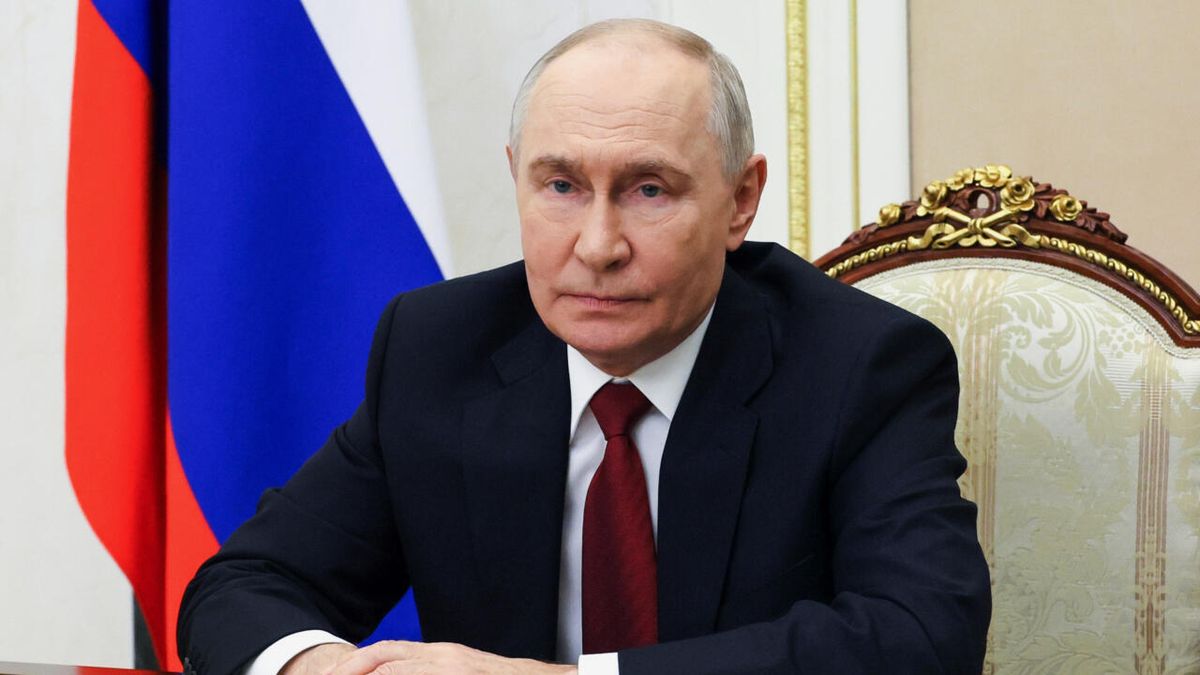
On September 16, 2026, President Vladimir Putin recorded a televised address urging citizens to vote in the three‑day parliamentary election, describing turnout as a measure of public backing for Russia’s war in Ukraine. The election, the first since the February 2022 invasion, will decide the composition of the 450‑seat State Duma, a body that historically rubber‑stamps Kremlin policy.
Putin’s framing serves several intertwined incentives. First, high voter participation offers a veneer of legitimacy for a war that has strained the economy and eroded public confidence. By equating the act of voting with support for soldiers, the Kremlin converts a routine civic duty into a loyalty test, pressuring citizens to align with the state narrative or risk being labeled unpatriotic. Second, the tightly controlled electoral system—where United Russia enjoys guaranteed dominance and opposition candidates are systematically excluded—ensures the Duma will continue to endorse budget allocations for the military, sanctions‑defying trade routes, and the legal apparatus that criminalizes dissent. Third, the timing aligns with a broader “saturation” strategy: as Western sanctions bite, the regime seeks to rally domestic sentiment to justify continued resource diversion to the front lines, thereby shielding the elite from accountability for economic hardship.
Ordinary Russians bear the brunt of this calculus. In regions hit hardest by sanctions—such as the industrial Urals and the agricultural south—families confront rising food prices, dwindling pensions, and conscription pressures on their teenage sons. Healthcare workers in war‑adjacent oblasts report shortages of medicines, while teachers grapple with curriculum changes that glorify the conflict. Meanwhile, soldiers on the front receive limited support, facing prolonged deployments, inadequate equipment, and the psychological toll of a war with no clear exit. The diaspora and ethnic minorities, already subject to heightened surveillance, experience intensified scrutiny as the state monitors voting patterns for signs of “disloyalty.”
Editor's Note: Analysis based on publicly available statements and known electoral practices; on‑the‑ground conditions may evolve rapidly.
Source referenced: FRANCE24
This brief was synthesized by our Editorial Engine and reviewed by The Ground Narrative team.


