TRENDING

Tuesday, 8 September 2026
----------------------
26 Rabi' Al-Awwal 1448 AH
An armed man's arrest at a high-profile political venue highlights the escalating security demands and the human cost of America's deepening political polarization. This incident underscores how public political life is increasingly defined by threat assessment and protective measures.
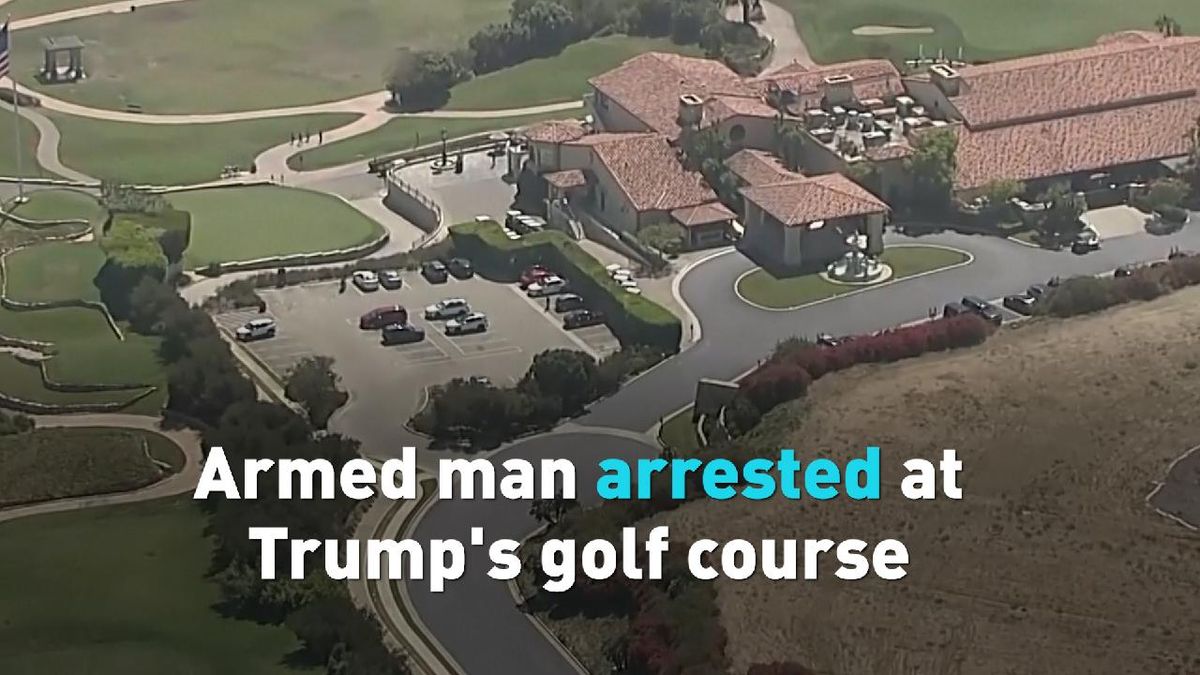
An individual, Jeanine John Taele, was recently arrested at Donald Trump's Los Angeles-area golf course. Authorities allege Taele was monitoring security preparations for an upcoming Republican National Committee event and was found carrying ammunition, with a loaded 9mm handgun, binoculars, and a security badge discovered in his vehicle. Subsequent searches reportedly uncovered additional firearms, ammunition, and body armor at his residence, leading to multiple felony charges to which he has pleaded not guilty.
This incident is not an isolated event but a stark indicator of the structural forces at play in a highly polarized political landscape. The power dynamic here is multifaceted: it involves the state's authority (law enforcement) responding to perceived threats against political power (the Republican National Committee, a former president). The very existence of such a threat underscores the immense pressure on security apparatuses to protect public figures and political gatherings. Political rhetoric, often amplified by media and social platforms, holds the power to mobilize individuals, sometimes to extreme actions. This creates a challenging environment for authorities tasked with distinguishing between legitimate dissent and criminal intent. The rhythm of the political calendar—with its rallies, conventions, and public appearances—creates predictable vulnerabilities that necessitate a constant, resource-intensive security posture, diverting resources and attention from other societal needs.
The most immediate human cost of such incidents is borne by the security personnel and law enforcement officers whose vigilance is constantly tested, operating under the shadow of potential violence. Beyond this frontline, the incident contributes to a pervasive sense of unease among ordinary citizens. When political events become security zones, it chips away at the public's ability to engage freely and openly in the democratic process. The normalization of armed presence, security cordons, and threat assessments transforms civic participation into a calculated risk. For those working within political organizations, for volunteers, or simply for citizens attending rallies, such events amplify a background hum of anxiety, subtly shifting the focus from policy and discourse to personal safety and potential danger. This erodes the very fabric of open public life, making it less accessible and more intimidating.
Official statements following such arrests typically focus narrowly on the immediate facts, emphasizing law enforcement's effectiveness and the legal process. What is consistently downplayed or omitted is the broader societal context that breeds such incidents. Governments and political entities rarely acknowledge their own role in contributing to an environment where individuals might feel compelled to take such actions, whether driven by genuine grievance, delusion, or extremist ideology. The narrative tends to isolate the individual as an anomaly, framing them as a lone actor rather than examining the systemic pressures, the demonization of political opponents, and the increasing acceptance of aggressive rhetoric across the political spectrum that can radicalize segments of the population. This omission prevents a deeper, collective reckoning with the state of political discourse itself.
Moving forward, observers should watch closely for how this incident influences security protocols for future high-profile political events, particularly as the US approaches another election cycle. It is highly probable that we will see even more restrictive access, increased surveillance, and a more visible security presence, further blurring the lines between public gathering and fortified zone. The legal proceedings against Taele will be scrutinized for any insights into motives, potential affiliations, or the specific ideologies that might have driven his alleged actions. Ultimately, the critical question remains: will such events prompt a serious, collective effort to de-escalate political rhetoric and address the underlying societal divisions, or will they merely lead to an ever-increasing militarization of public political life, further alienating citizens from their own democratic processes?
Source referenced: CGTN
This brief was synthesized by our Editorial Engine and reviewed by The Ground Narrative team.


