TRENDING

Sunday, 20 September 2026
----------------------
9 Rabi' Al-Thani 1448 AH
Susy Aponte Polo, a journalist‑turned‑candidate, was gunned down days after warning she would reveal police corruption. The killing spotlights entrenched police impunity and the peril faced by those who dare to challenge it.
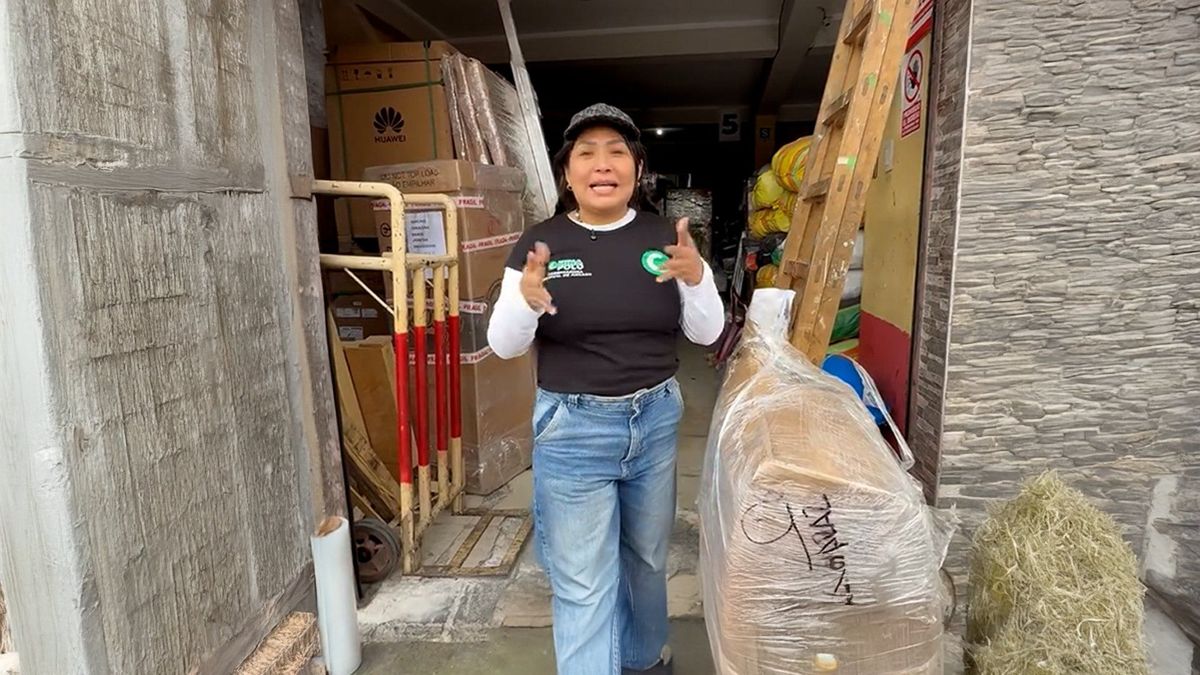
Peruvian journalist and aspiring politician Susy Aponte Polo, known as “China Polo,” was shot dead while campaigning in a rural district on September 15, 2026. The murder came a week after she publicly announced receiving death threats linked to an investigation into a regional police chief accused of illegal activities.
Peru’s police forces operate under a fragmented command structure, with regional commanders wielding quasi‑autonomous authority over budgets, recruitment, and local security contracts. This decentralisation creates fertile ground for patronage networks that intertwine with political actors seeking electoral advantage. In the run‑up to the 2026 general elections, candidates often court local power brokers—including police chiefs—who can mobilise votes, intimidate opponents, or, as in Polo’s case, silence dissent.
Economic incentives also reinforce the status quo. Police budgets are supplemented by “security fees” levied on businesses and community groups, a practice that blurs the line between public service and private enrichment. Exposing a chief who siphons these funds threatens not only the individual’s illicit revenue stream but also the broader coalition of politicians and contractors who benefit from the arrangement.
At the national level, the Ministry of the Interior has repeatedly pledged reforms to curb police misconduct, yet implementation stalls amid legislative gridlock and a lack of independent oversight bodies. The political calculus for senior officials is clear: acknowledging a murder tied to police misconduct could trigger costly investigations, erode public trust, and jeopardise fragile alliances with regional power brokers.
The immediate human cost is stark: Polo’s family now faces the loss of a breadwinner and the trauma of a public, violent death. Her fledgling political campaign, which promised greater transparency and community policing, is abruptly halted, depriving constituents of a potential reformist voice.
Beyond the family, local journalists operate under heightened fear. Peru ranks among the most dangerous countries for reporters, with over 150 media workers killed in the past two decades. Each unsolved killing amplifies self‑censorship, reducing investigative reporting on corruption, organized crime, and human rights abuses.
Rural communities, already marginalized by inadequate public services, lose a conduit for accountability. When a journalist who could spotlight police extortion or illegal mining disappears, residents are left with fewer mechanisms to challenge abuses, deepening the cycle of impunity.
Official statements from the Ministry of the Interior have framed the incident as a “random act of violence” linked to criminal gangs, sidestepping any direct reference to police involvement. This narrative serves multiple purposes: it deflects scrutiny from the police hierarchy, preserves the image of a disciplined security apparatus, and avoids triggering a parliamentary inquiry that could expose systemic corruption.
What remains omitted is the pattern of prior threats against Polo and other journalists investigating the same police chief. Internal police communications, obtained by watchdog groups, reveal a series of disciplinary complaints that were quietly dismissed, suggesting an institutional reluctance to police its own.
International donors, who fund Peru’s security sector reform, have been largely silent. Their silence may stem from a strategic calculus that prioritises stability over confronting entrenched local power structures, especially as the country navigates a contentious election cycle.
The coming weeks will test whether the murder catalises genuine reform or reinforces the status quo. Key indicators to watch include:
- Judicial action: Whether prosecutors open a formal investigation linking the crime to police personnel, and if any arrests are made.
- Political response: How major parties position themselves on police accountability during campaign rallies and televised debates.
- Civil society mobilisation: The scale of protests organized by journalist unions and human‑rights NGOs, and whether they attract international media attention.
- International pressure: Statements from the Inter‑American Commission on Human Rights or foreign aid agencies could compel the interior ministry to act.
- Election outcomes: If candidates promising police reform gain traction, it may force the Ministry of the Interior to accelerate oversight mechanisms.
The trajectory of Peru’s security sector hinges on whether this tragedy becomes a catalyst for accountability or is absorbed into the routine silence that has long protected powerful regional actors.
Source referenced: ALJAZEERA
This brief was synthesized by our Editorial Engine and reviewed by The Ground Narrative team.


