TRENDING

Friday, 18 September 2026
----------------------
7 Rabi' Al-Thani 1448 AH
Five infant orangutans were rescued in Odisha, sparking questions about a booming illegal wildlife trade that routes exotic pets through India. The analysis uncovers the profit motives, enforcement gaps, and hidden human costs behind the smuggling network.
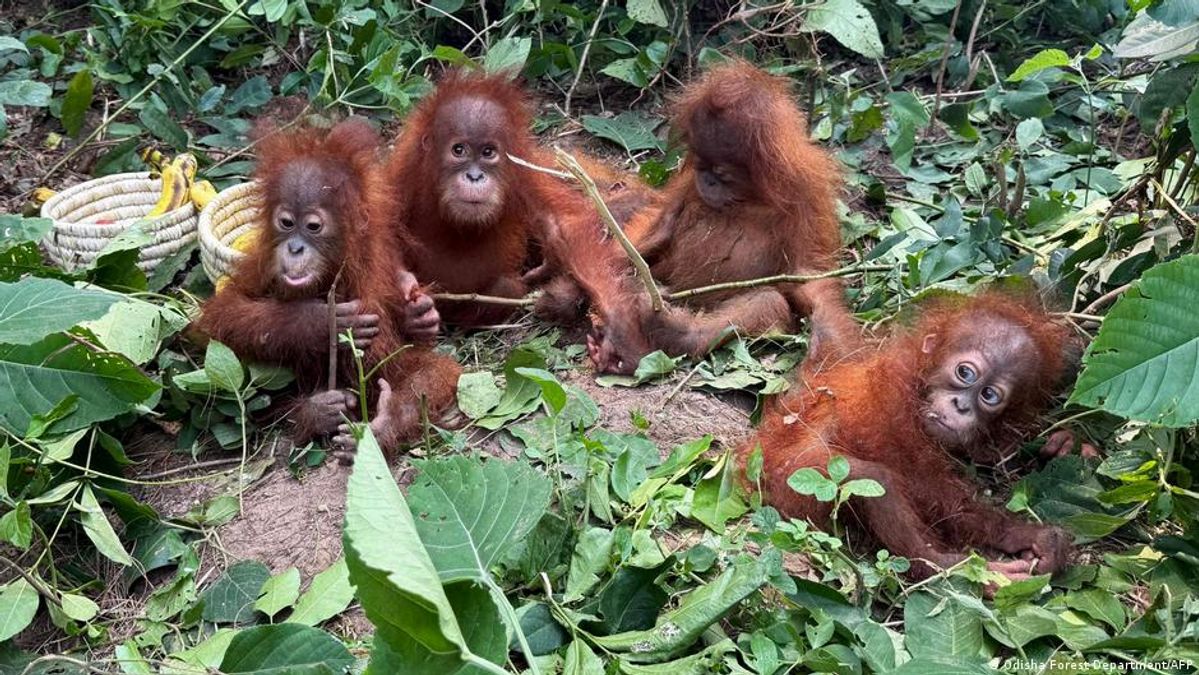
Five infant orangutans—species native only to Indonesia’s Sumatra and Borneo—were discovered wandering a forest in Balasore, Odisha, by patrolling rangers. The youngsters, apparently healthy, were taken to a zoo while the Odisha government asked the Wildlife Crime Control Bureau to trace how the critically endangered apes arrived in a region where they do not occur naturally. The incident follows a string of recent seizures of exotic wildlife in Indian airports and border checkpoints, suggesting a growing pipeline of illegal animal trade.
The trade thrives on a convergence of demand, profit, and weak oversight. Wealthy collectors in South Asia and the Gulf pay premium prices for rare pets, turning a handful of smugglers into multi‑million‑dollar operators. Air cargo from Kuala Lumpur and Bangkok, combined with porous land routes through Myanmar, Bangladesh and the northeastern states, provide low‑cost corridors. Digital platforms amplify the market: social‑media feeds showcase exotic animals, while encrypted messaging apps enable buyers and sellers to negotiate without detection.
India’s legal framework—CITES obligations, the Wildlife Protection Act, and customs regulations—exists on paper, but enforcement lags. Customs officials intercept hundreds of consignments, yet investigations rarely move beyond seizure to dismantle the financing, breeding farms, and logistics networks. State governments, eager to project a tough stance, publicise high‑profile rescues while allocating limited resources to a sprawling, transnational supply chain. Meanwhile, source countries such as Indonesia, Malaysia and Thailand grapple with their own enforcement deficits, creating a vacuum that smugglers readily fill.
The human cost is dispersed and largely invisible. Local forest‑dependent communities lose habitat integrity when traffickers release non‑native species that can become invasive or transmit diseases. The rescued orangutans themselves endure trauma, captivity, and uncertain futures in rescue centers. Indian law‑enforcement agencies bear the financial and operational burden of repeated seizures, diverting attention from other pressing crimes. Rural families near border crossings often face intimidation or corruption pressures as smugglers exploit informal networks for transport. Finally, the global consumer class—celebrity collectors and affluent hobbyists—reaps the aesthetic reward while the ecological price is paid by ecosystems thousands of kilometres away.
Official statements tend to frame the issue as isolated “seizures” rather than a systemic market. This narrative downplays the role of organized crime syndicates that coordinate breeding farms, air‑freight handlers, and online brokers. It also obscures the complicity of digital platforms that monetize wildlife‑related content without policing illegal sales. Bilateral talks between India and source nations are mentioned sporadically, but concrete joint operations remain rare, allowing smugglers to shift routes with minimal disruption. Moreover, the lucrative pet‑trade market is rarely linked to broader economic policies, such as trade agreements that ease cargo movement, thereby shielding the trade from scrutiny.
Watch for three converging developments. First, India’s upcoming wildlife‑policy revision may tighten penalties and mandate data‑sharing with CITES parties, potentially slowing the flow of live animals. Second, social‑media companies face mounting pressure to police wildlife‑trade content; any regulatory clamp‑down could choke a key sales channel. Third, regional cooperation—particularly a joint task force with Indonesia, Malaysia and Thailand—could expose financing networks and shift the cost‑benefit calculus for traffickers. Monitoring these signals will reveal whether the current pattern of reactive seizures evolves into a proactive dismantling of the trade’s backbone.
Editor's Note: All facts are drawn from the provided DW report and publicly available data on wildlife trafficking.
Source referenced: DW
This brief was synthesized by our Editorial Engine and reviewed by The Ground Narrative team.