TRENDING

Sunday, 20 September 2026
----------------------
9 Rabi' Al-Thani 1448 AH
US naval patrols claim a surge in oil and LNG shipments through Hormuz, even as Iran reports zero exports. The clash of military posturing and market pressure reshapes who profits and who suffers.
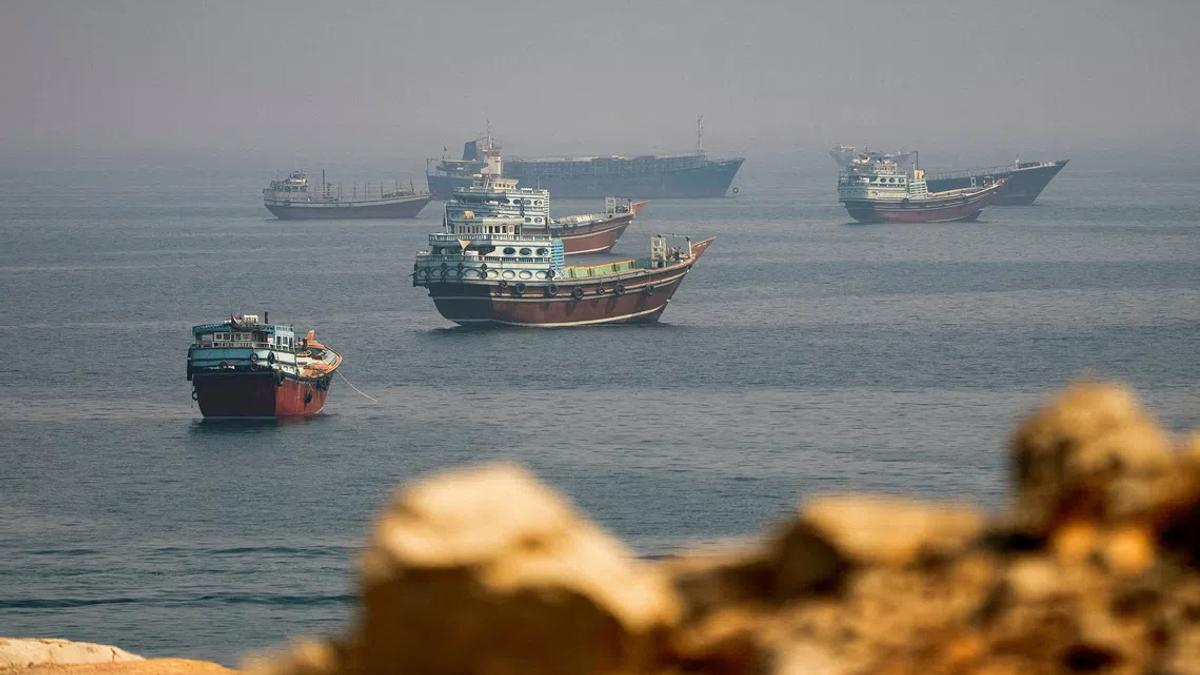
In the past two weeks, oil and liquefied natural gas (LNG) shipments through the Strait of Hormuz reached their highest level in six months, according to U.S. Central Command Admiral Brad Cooper. The U.S. Navy’s mine‑clearance and escort operations say they have restored the primary lanes, while Saudi Arabia and its Gulf allies have moved more than a billion barrels of crude through the waterway. At the same time, Iran claims the strait remains closed to its own exports, and the Houthi‑backed attacks on Saudi infrastructure continue.
The surge reflects a convergence of three structural forces. First, U.S. strategic signaling: by showcasing a “clear” strait, Washington aims to reassure global markets and domestic voters ahead of a mid‑term election, positioning itself as the guarantor of energy stability. Second, market economics: with global oil demand still high and supply chains strained by earlier drone attacks on a Saudi pipeline, shippers are willing to pay premium insurance rates for the perceived safety of a U.S.‑protected route. Third, regional power play: Iran’s refusal to ship oil through Hormuz serves both as a political statement against sanctions and a lever to pressure the Gulf monarchies. The Houthis, backed by Tehran, amplify this pressure by targeting Saudi facilities on land and sea, forcing Riyadh to divert resources to air defence and repair.
The headline numbers mask a heavy human toll. Yemeni coastal communities near Houthi‑controlled ports face disrupted fishing and trade, as naval patrols and commercial vessels crowd the waters. Saudi workers at oil refineries and airports endure heightened security alerts; the recent jet‑fuel depot strike in Riyadh injured civilians and halted airport operations, affecting travel and supply chains for ordinary passengers. Iranian oil workers see their livelihoods evaporate as exports are halted, while sanctions limit their ability to find alternative markets. Finally, global consumers feel the pinch through higher gasoline and diesel prices, a burden that falls disproportionately on low‑income households in both the Gulf and farther‑away markets such as Europe and Asia.
Official statements from Washington and Riyadh emphasize “momentum” and “security,” but they downplay the long‑term cost of militarizing a commercial chokepoint. Continuous naval presence raises insurance premiums and encourages a security‑driven price premium that benefits ship owners and defense contractors more than end‑users. Moreover, the narrative omits the environmental risk of increased tanker traffic in a narrow, ecologically sensitive strait—any spill could devastate marine life and coastal economies. Iran’s claim of zero exports is presented as a sign of U.S. effectiveness, yet it also hides the sanctions‑induced economic hardship on Iranian civilians, a factor rarely highlighted in Western briefings.
Watch for three developments. 1️⃣ U.S. political calculus: As the mid‑term election approaches, any escalation—such as a new Iranian missile strike—could be used to rally domestic support, potentially leading to a more aggressive naval posture. 2️⃣ Houthi operational tempo: If the group expands attacks beyond Saudi targets to commercial vessels in the Red Sea, shipping firms may reroute around the Cape of Good Hope, reshaping global supply chains and raising freight costs. 3️⃣ Iranian diplomatic moves: A shift in Tehran’s willingness to negotiate a limited reopening of Hormuz, perhaps in exchange for sanctions relief, could abruptly alter the flow dynamics, impacting both oil prices and regional security calculations. Keeping an eye on these variables will reveal whether the current surge is a temporary market fix or a step toward a more entrenched militarized trade corridor.
Editor's Note: All data drawn from the provided source; broader market trends are inferred from publicly available reports.
Source referenced: STRAITSTIMES
This brief was synthesized by our Editorial Engine and reviewed by The Ground Narrative team.


