TRENDING

Saturday, 5 September 2026
----------------------
23 Rabi' Al-Awwal 1448 AH
The US-brokered plan for Hamas to disarm in Gaza marks a significant development, but the path to lasting peace remains uncertain. As the Middle East teeters on the brink of further escalation, the true intentions of powerful actors are being tested. The human cost of conflict in the region continues to mount, with ordinary citizens bearing the brunt of geopolitical maneuvering.
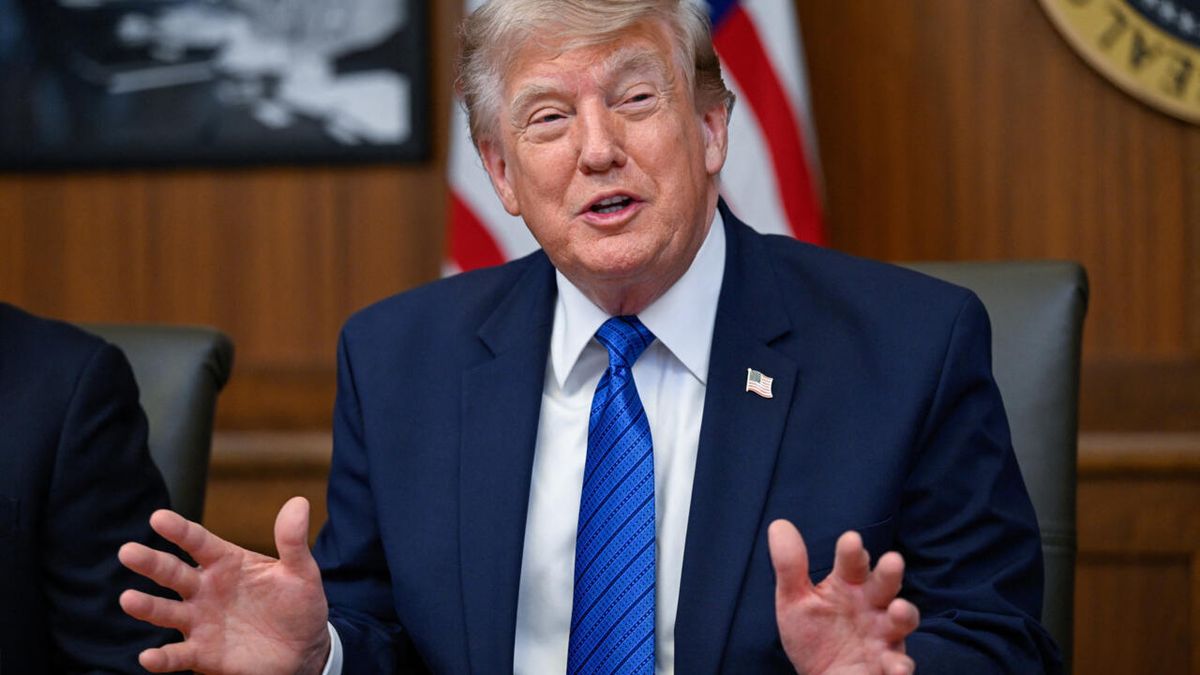
US President Donald Trump recently addressed a cabinet meeting at the Camp David retreat, following the announcement that Hamas had agreed to disarm in Gaza as part of a US-brokered plan. This move is seen as a potential first step towards re-energizing the peace process in the region. However, the agreement's implications and the reactions of other key players, such as Israel, remain unclear.
The decision by Hamas to disarm, if it indeed follows through, would significantly alter the dynamics in Gaza and potentially remove a key rationale for Israel's occupation. This could lead to a shift in the balance of power, with the US attempting to assert its influence in the region ahead of midterm elections. The involvement of other actors, such as Saudi Arabia, and the recent joint strike in Iraq, indicate a widening conflict with complex alliances and interests at play.
The conflict in the Middle East, including the situation in Gaza, has resulted in immense human suffering. Civilians are often the ones who pay the highest price, with displacement, injury, and loss of life being common outcomes. The economic toll is also significant, with infrastructure damaged and livelihoods destroyed. As the geopolitical games continue, it's the ordinary people who are left to pick up the pieces and wonder about their future.
While the disarmament of Hamas could be a positive step, there are underlying issues and motivations that are not being fully addressed. The US's push for this agreement, particularly in the context of upcoming elections, suggests that domestic political considerations may be at play. Furthermore, the role of other regional actors and their interests in the conflict are not being fully disclosed. The potential for further escalation, as indicated by recent incidents such as the drone strike on an Egyptian port, suggests that the situation remains volatile and that not all parties may be committed to a peaceful resolution.
As the situation in Gaza and the broader Middle East continues to evolve, several key developments will be worth watching. The response of Israel to Hamas's disarmament, the actions of other regional players such as Iran and Saudi Arabia, and the US's next steps in the region will all be crucial. Additionally, the impact of these events on the global stage, including the reactions of European powers and the potential for further escalation, will be important to monitor. The path to peace in the Middle East is fraught with challenges, and the coming weeks and months will be pivotal in determining the direction of the conflict.
Editor's Note: The analysis is based on current events and may evolve as more information becomes available.
Source referenced: FRANCE24
This brief was synthesized by our Editorial Engine and reviewed by The Ground Narrative team.


