TRENDING

Sunday, 20 September 2026
----------------------
9 Rabi' Al-Thani 1448 AH
Germany’s upcoming state elections in Berlin and Mecklenburg‑Western Pomerania could boost the far‑right AfD, testing Chancellor Friedrich Merz’s grip on power. The analysis uncovers the incentives driving the party’s rise and the communities bearing the hidden costs.
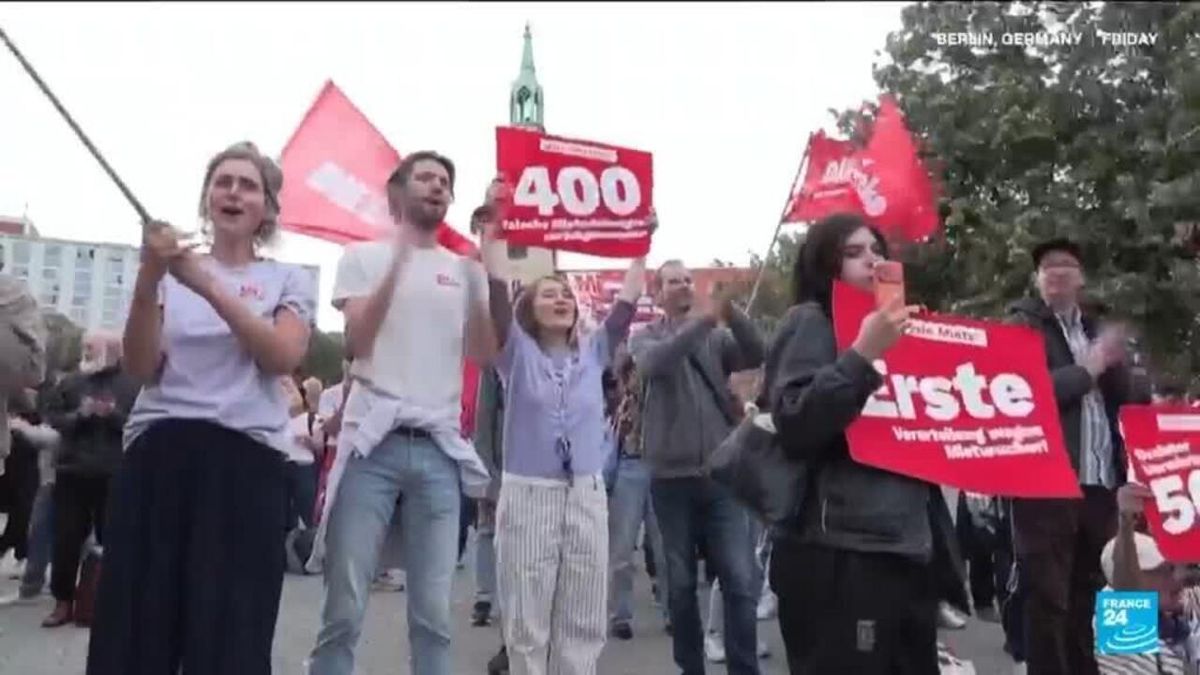
Germany is heading to two decisive state elections on 22 September 2026 – in the capital Berlin and the largely agrarian state of Mecklenburg‑Western Pomerania. The far‑right Alternative für Deutschland (AfD), fresh from a record showing in Saxony‑Anhalt, is positioning itself for another breakthrough, a development that threatens Chancellor Friedrich Merz’s coalition stability.
The AfD’s surge is not a spontaneous protest; it is the product of several intersecting incentives. First, national‑level political survival: Merz’s CDU/CSU bloc has struggled to present a coherent narrative on migration, energy costs, and EU fiscal rules, leaving a vacuum that the AfD fills with blunt anti‑immigration rhetoric. Second, regional economic strain: Mecklenburg‑Western Pomerania faces demographic decline, low wages, and under‑investment in infrastructure, making its rural electorate receptive to promises of “German first” policies. Third, media amplification: Private broadcasters and social‑media algorithms reward sensationalist content, giving the AfD disproportionate exposure compared with mainstream parties that are forced to moderate their language. Fourth, European context: As Brussels debates tighter fiscal oversight and the EU’s energy transition, German voters see the AfD as a vehicle to push back against perceived external constraints, aligning with a broader continental trend of right‑wing populism.
While political elites debate coalition math, everyday Germans feel the pressure. In Berlin, low‑income renters confront soaring housing costs; the AfD’s anti‑EU stance threatens EU‑funded housing projects that could alleviate the crisis. In Mecklenburg‑Western Pomerania, small‑scale farmers and elderly residents grapple with dwindling public services and a shrinking labor pool. The party’s rhetoric often blames migrants for job competition, yet the real competition comes from automation and the EU’s Common Agricultural Policy reforms that favor larger agribusinesses. Moreover, young people face a bleak job market; the AfD’s focus on cultural issues diverts attention from policies that could create apprenticeships or tech hubs in the region. The human cost is therefore a mix of economic precarity, reduced social services, and an atmosphere of hostility that marginalizes minorities.
Official narratives highlight the AfD’s “democratic legitimacy” and frame the elections as a test of Germany’s pluralism. What is omitted is the financial pipeline linking the party to domestic business interests that benefit from deregulation and lower environmental standards. Investigations have traced donations from construction firms and energy lobbyists to AfD local chapters, a detail largely absent from mainstream coverage. Additionally, security services have quietly increased surveillance of AfD events, a fact downplayed by both the party (which claims victimhood) and the government (which portrays it as routine policing). Finally, the EU’s response is muted; Brussels worries that a strong AfD showing could embolden similar movements in France, Italy, and Spain, but it avoids direct criticism to preserve diplomatic channels with Berlin.
Watch how coalition negotiations unfold after the state results. If the AfD secures a foothold in either parliament, Merz may be forced to make policy concessions on immigration and energy that could ripple into federal legislation. Monitor EU funding allocations to the two states – any cutbacks could exacerbate regional grievances and fuel further right‑wing gains. Finally, keep an eye on civil society mobilization: protests, community housing initiatives, and youth climate actions could either counterbalance the AfD’s narrative or be suppressed under security pretexts. The interplay of these factors will shape not just Germany’s political landscape but the broader balance of power within the European Union.
Source referenced: FRANCE24
This brief was synthesized by our Editorial Engine and reviewed by The Ground Narrative team.


