TRENDING

Wednesday, 4 November 2026
----------------------
24 Jumada Al-Awwal 1448 AH
Chancellor Friedrich Merz called his CDU’s state‑election losses a “disaster” and vowed to push reforms, even as the far‑right AfD surged in the east and Berlin, reshaping Germany’s political landscape.
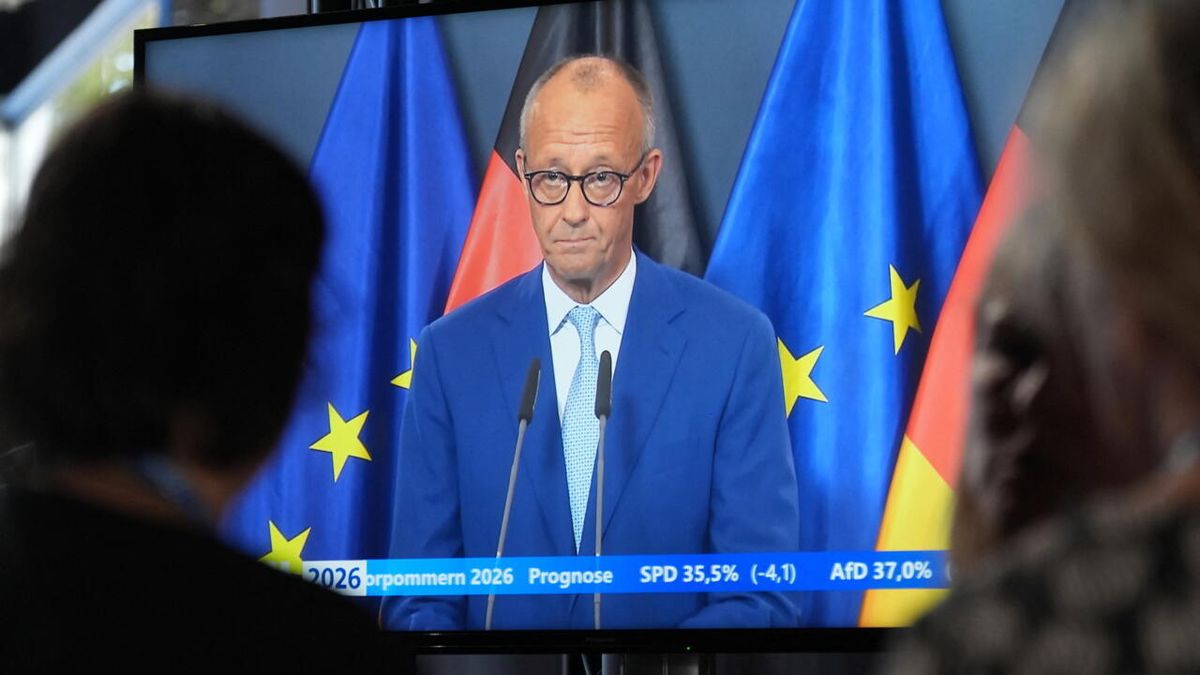
On September 20, 2026, Chancellor Friedrich Merz publicly labeled his Christian Democratic Union’s (CDU) defeats in Mecklenburg‑Western Pomerania and Berlin a “disaster.” Exit polls showed the far‑right Alternative for Germany (AfD) leading with roughly 37 % in the former, while the left‑leaning Die Linke topped the capital with 25 %. The CDU fell below the 5 % threshold in Mecklenburg‑Western Pomerania – its worst ever result – and secured only 19 % in Berlin.
Merz’s CDU has been riding a reform agenda aimed at reviving Germany’s stagnant growth, cutting energy taxes, and overhauling the welfare state. The reforms require a coalition that can pass legislation in the Bundestag, meaning the CDU must retain a credible parliamentary presence. The AfD’s surge is fueled by three intersecting incentives: (1) economic frustration in the post‑industrial east, where unemployment and low wages remain higher than the national average; (2) a cultural backlash against immigration and perceived elite detachment; and (3) a strategic alignment with Russia‑friendly narratives that exploit German energy dependence.
The CDU’s loss of parliamentary seats in a key eastern state erodes its bargaining power within the governing coalition, forcing Merz to either compromise with more centrist partners or risk a fragmented parliament that could stall his reform push. At the same time, the AfD’s near‑majority in Mecklenburg‑Western Pomerania gives it leverage to demand concessions on immigration, security, and EU policy, even if it cannot form a government outright. The internal pressure within the CDU – with senior figures quietly questioning Merz’s leadership – adds another layer: a potential leadership contest could further destabilize the party’s ability to negotiate.
The electoral fallout hits ordinary Germans hardest. In the east, factories that have downsized or closed over the past decade leave workers facing precarious employment and limited social safety nets. The AfD’s promise of stricter immigration controls and “German‑first” economic policies resonates with those fearing competition for scarce jobs. In Berlin, low‑income renters and migrant communities feel the double squeeze of rising housing costs and a left‑wing coalition that, while vocal about social justice, struggles to deliver affordable housing quickly enough. Moreover, the broader German middle class, already burdened by high taxes and a sluggish economy, now faces uncertainty about the pace and depth of Merz’s proposed reforms, which could include cuts to pensions and unemployment benefits.
Official statements focus on “reforms” and “responsibility,” but they downplay the role of external energy geopolitics. Germany’s reliance on Russian gas, despite diversification efforts, remains a bargaining chip for the AfD, which frames the CDU’s energy‑tax cuts as capitulation to foreign interests. Likewise, the CDU’s narrative omits the growing influence of corporate lobbying behind the reform agenda, particularly from the automotive and energy sectors that stand to profit from deregulation and tax relief. The media also sidesteps the fact that the AfD’s rise is partially financed by opaque funding streams linked to right‑wing networks across Europe, a detail that could illuminate why the party can sustain high‑cost campaigning in regions where it traditionally performed poorly.
Watch the upcoming state elections in Saxony‑Anhalt and Brandenburg – both are litmus tests for whether the AfD can convert its regional momentum into a governing coalition. Pay attention to Merz’s next moves at the UN General Assembly; a diplomatic overture toward the United States or China could signal a shift in Germany’s foreign‑policy posture, especially if he seeks to offset Russian energy leverage. Finally, monitor internal CDU dynamics: any leadership challenge or cabinet reshuffle will affect the pace of reforms and the party’s ability to present a united front against the far‑right surge.
Source referenced: FRANCE24
This brief was synthesized by our Editorial Engine and reviewed by The Ground Narrative team.