TRENDING

Thursday, 6 August 2026
----------------------
23 Safar 1448 AH
A 21-year-old flight instructor's daring emergency landing on a Florida interstate highlights the vulnerabilities of small aircraft and the human cost of aviation emergencies. As the incident unfolds, it raises questions about the mechanics of power in the aviation industry and what powerful actors might be downplaying.
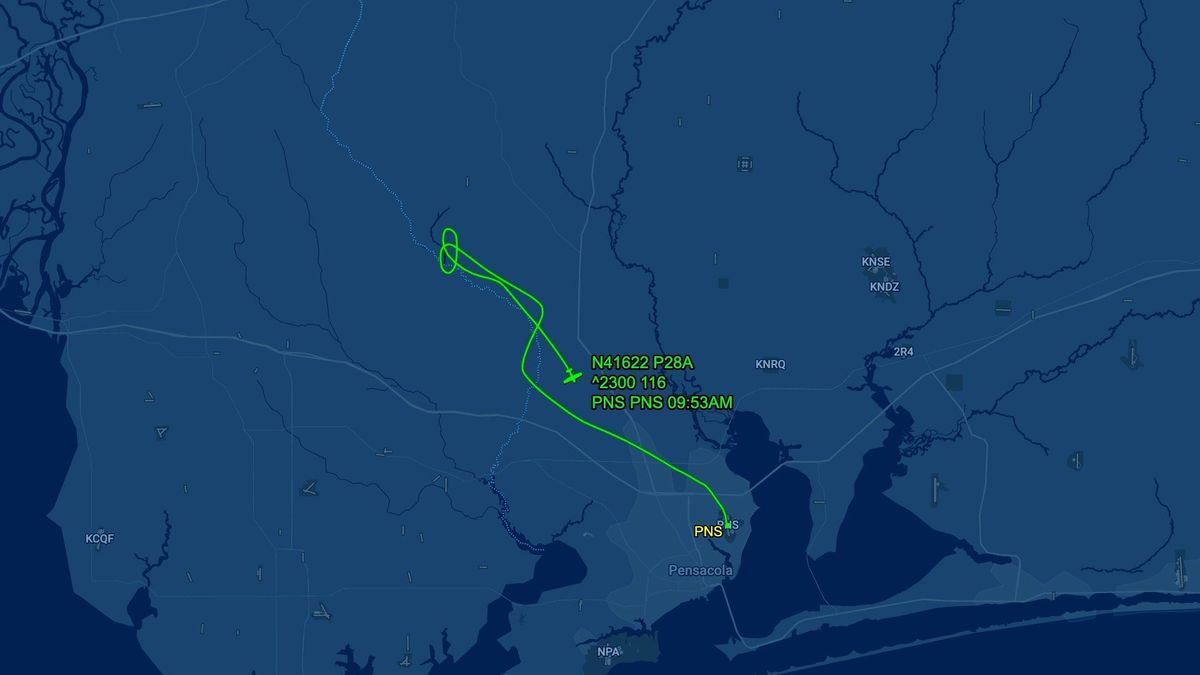
A young pilot made a daring emergency landing on a Florida interstate after reporting low oil pressure and a burning smell in the cockpit. The 21-year-old flight instructor, unable to reach the airport, declared an emergency and landed on the I-10 near Pensacola, Florida. This incident, while dramatic, is a rare occurrence in the world of aviation, but it underscores the risks and challenges faced by pilots, especially in small aircraft.
The aviation industry is heavily regulated, with multiple stakeholders, including manufacturers, airlines, and regulatory bodies, vying for power and influence. The incident in Florida highlights the tension between safety and cost-cutting measures in the industry. Small aircraft, like the one involved in the emergency landing, often operate on tight margins, with maintenance and upkeep being crucial to their safe operation. However, the pressure to keep costs low can sometimes compromise safety, leading to situations like the one in Florida. The Federal Aviation Administration (FAA) and other regulatory bodies play a critical role in ensuring that safety standards are met, but their effectiveness can be influenced by industry lobbying and political considerations.
The human cost of aviation emergencies like the one in Florida is significant. Pilots, passengers, and people on the ground can all be affected, sometimes with devastating consequences. In this case, the quick thinking and training of the young pilot prevented a potentially catastrophic outcome. However, the incident also highlights the risks faced by pilots, particularly those operating small aircraft, and the need for robust safety protocols and emergency procedures. The people who bear the human cost of such incidents are not just the pilots and passengers but also their families and communities, who can be affected by the trauma and financial implications of such events.
What powerful actors might be downplaying in this incident is the broader issue of safety in the aviation industry, particularly in relation to small aircraft. While the incident in Florida was a rare occurrence, it raises questions about the industry's safety record and the measures in place to prevent such emergencies. The role of regulatory bodies, industry lobbying, and the pressure to keep costs low are all factors that can influence safety standards, and it is essential to examine these aspects critically to ensure that the aviation industry prioritizes safety above all else.
As this incident unfolds, readers should watch for the response of regulatory bodies, such as the FAA, and the aviation industry's reaction to the emergency landing. The measures taken to address the safety concerns raised by this incident will be crucial in preventing similar events in the future. Additionally, the incident highlights the importance of pilot training and the need for robust emergency procedures, which will be essential areas of focus in the aftermath of this event.
Editor's Note: The analysis is based on the information available at the time of writing and may be subject to change as more details emerge about the incident.
Source referenced: ALJAZEERA
This brief was synthesized by our Editorial Engine and reviewed by The Ground Narrative team.