TRENDING

Wednesday, 4 November 2026
----------------------
24 Jumada Al-Awwal 1448 AH
A cascade of false bomb threats shut down airports from Warsaw to Rome, exposing fragile security loops. The analysis uncovers the power play, the hidden costs, and what to watch next.
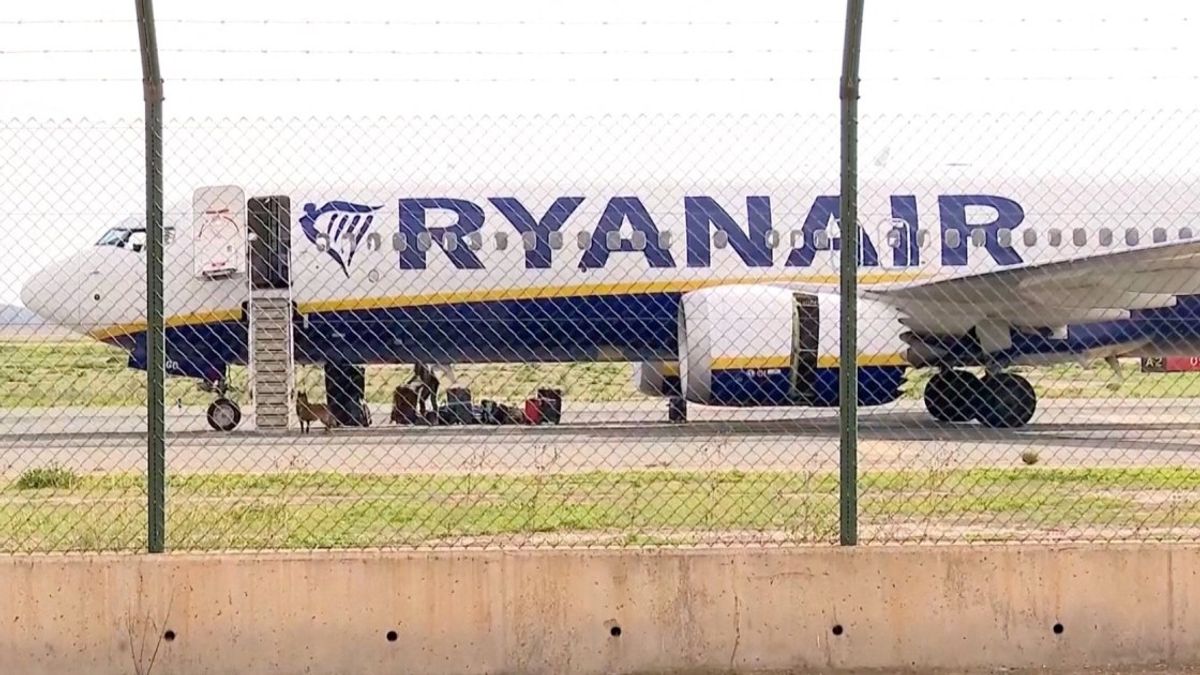
On 3 November 2026 a coordinated series of bomb threats hit passenger flights across Europe, prompting emergency searches, runway closures, and military escorts. Ryanair, Poland, and Italy saw multiple aircraft inspected, yet no explosives were found and all planes landed safely. The alerts spanned at least seven airlines, affected flights to and from major hubs such as Warsaw Chopin, Rome Fiumicino, and Heathrow, and even forced the evacuation of a cruise ship bound for Haifa.
The pattern of anonymous threats mirrors what security analysts label hybrid warfare – a blend of cyber‑enabled disruption, psychological pressure, and low‑cost physical scares. By exploiting open‑source intelligence and social‑media amplification, perpetrators can trigger costly security sweeps without leaving a trace. The timing aligns with a recent wave of unrelated cyber‑attacks on supermarket refrigeration units, suggesting a coordinated campaign to stretch emergency services thin.
Budget carriers such as Ryanair operate razor‑thin margins, relying on high aircraft utilisation and quick turnarounds. A single grounded flight can ripple into lost revenue, compensation payouts, and reputational damage that competitors can exploit. The threats therefore serve a dual purpose: they destabilise a rival’s schedule while providing a plausible excuse for operational hiccups that might otherwise be blamed on internal inefficiencies.
European air‑space is policed by a patchwork of national agencies and NATO’s air‑defence alert service. When Hungary’s Defence Minister announced Gripen jets scrambled within minutes, it showcased the alliance’s rapid response capability – a political signal aimed at deterrence. Yet the same system also creates a feedback loop: each false alarm justifies higher alert levels, granting governments broader discretionary powers over civil aviation and increasing budget allocations for security infrastructure.
Thousands of travelers faced delayed connections, missed business meetings, and unplanned overnight stays. For low‑income passengers, the financial burden of rebooking fees and accommodation can be catastrophic, turning a brief inconvenience into a month‑long economic setback. The psychological toll of being told a bomb may be aboard also fuels travel‑related anxiety that can depress demand for air travel in the weeks that follow.
Ground crews, security officers, and airline customer‑service teams were forced to execute emergency protocols under intense time pressure. Overtime pay and fatigue became the norm, while the abrupt surge in inspections strained already‑stretched resources. In Warsaw, runway closures meant cargo handlers lost hours of work, directly impacting supply‑chain reliability for perishable goods.
Tourism‑dependent cities such as Sofia and Dubrovnik rely on seamless flight connections to attract visitors. The sudden perception of insecurity can deter tourists, leading to lower hotel occupancy and reduced revenue for local businesses. Moreover, insurance premiums for airlines and airports are likely to rise after a wave of false alerts, a cost that ultimately filters down to consumers.
Both Russia and Iran have publicly denied involvement in the recent spate, yet the geopolitical climate—marked by heightened sanctions and ongoing proxy conflicts—makes them plausible sponsors of deniable disruption. By operating through loosely affiliated hacktivist groups, a state can reap the benefits of chaos without risking diplomatic fallout.
A less discussed angle is the potential windfall for insurers and security firms. Each false alarm triggers claim filings, premium adjustments, and new contracts for threat‑assessment services. Companies like Osprey Flight Solutions, cited in the original reporting, stand to gain from heightened demand for risk‑consulting, creating a financial incentive to keep the narrative of an ongoing threat alive.
Official statements from European ministries emphasise “no explosive devices found” and “no clear perpetrators,” a phrasing that downplays the strategic intent behind the attacks. By presenting the incidents as isolated hoaxes, the media can avoid stirring public demand for deeper investigations, allowing the status quo of fragmented security oversight to persist.
- Security protocols: Expect tighter passenger‑screening procedures at major hubs, possibly extending to biometric verification and real‑time threat‑intelligence sharing across EU member states.
- Regulatory changes: The European Aviation Safety Agency may propose new mandatory reporting standards for threat alerts, which could increase transparency but also add bureaucratic layers for airlines.
- Public scrutiny: Civil‑society groups are likely to demand accountability for the economic and psychological toll on passengers. Watch for lawsuits or parliamentary inquiries that could force governments to disclose the origins of the threats.
- Cross‑domain attacks: The convergence of cyber‑disruption (e.g., supermarket fridge hacks) and physical scares suggests a broader campaign. Monitoring hacker forums and intelligence briefings for similar low‑cost, high‑impact tactics will be essential.
- State‑level signaling: Any sudden shift in rhetoric from Russia or Iran regarding European security, or a change in NATO’s alert posture, could indicate that the false threats are a prelude to more sophisticated operations.
Staying alert to these developments will help ordinary citizens understand how seemingly random alerts fit into larger power games that shape the safety and cost of everyday travel.
No state or group has claimed responsibility, but analysts point to possible state‑linked hacktivist cells from Russia or Iran, given the broader pattern of hybrid attacks across Europe.
Passengers face flight delays, missed connections, extra accommodation costs, and heightened anxiety, especially those with limited financial resources.
European authorities may tighten screening procedures, increase real‑time intelligence sharing, and introduce stricter reporting standards for threat alerts.
Editor's Note: Analysis based on publicly available reports and expert commentary; attribution to specific actors remains speculative.
Source referenced: ALJAZEERA
This brief was synthesized by our Editorial Engine and reviewed by The Ground Narrative team.