TRENDING

Saturday, 19 September 2026
----------------------
8 Rabi' Al-Thani 1448 AH
As migration continues to dominate European politics, leaders are increasingly using the issue as a tool to further their own domestic agendas, often at the expense of the most vulnerable. The recent Ceuta migrant crisis has highlighted the trend, with politicians on both the left and right exploiting the issue to galvanize support and undermine opponents. The human cost of this political posturing is being borne by migrants themselves, as well as the communities that host them.
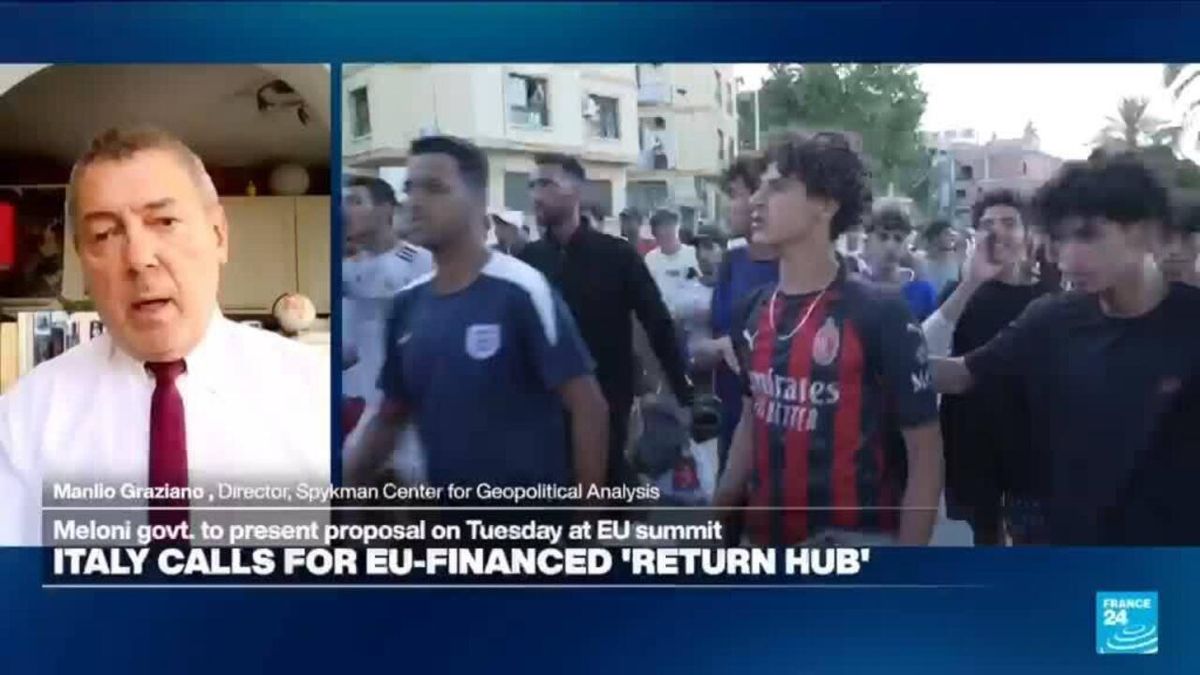
The recent migrant crisis in Ceuta has sparked a wave of political maneuvering across Europe, with leaders from both the left and right using the issue to further their own domestic agendas. Italy's temporary suspension of the Schengen Agreement with Spain is just one example of how migration is being used as a political tool to shore up support and undermine opponents.
At the heart of this trend is the desire for political survival and the need to appeal to an increasingly fragmented electorate. In Italy, for example, Giorgia Meloni's government is facing competition from parties positioned even further to the right, compelling her to continually reaffirm her hardline credentials on issues like migration. This domestic political calculus is driving decision-making on migration policy, often at the expense of more nuanced and effective solutions.
The people who bear the brunt of this political posturing are the migrants themselves, as well as the communities that host them. The Ceuta migrant crisis has highlighted the desperation and vulnerability of those seeking to cross into Europe, often fleeing conflict, persecution, or poverty in their home countries. As politicians continue to use migration as a political tool, the human cost of this issue is being forgotten, and the needs of the most vulnerable are being ignored.
What is being downplayed in the current debate is the complexity of the migration issue and the need for a more comprehensive and coordinated approach to addressing it. Rather than using migration as a political tool, European leaders should be working together to develop policies that balance the need to protect borders with the need to protect human rights and provide support to those seeking refuge. The lack of transparency and accountability in migration policy-making is also being overlooked, as politicians prioritize short-term political gains over long-term solutions.
As the migration debate continues to evolve, readers should watch for signs of a shift towards more nuanced and effective policy-making. This could involve a greater emphasis on cooperation and coordination between European countries, as well as a more comprehensive approach to addressing the root causes of migration. The role of civil society and community organizations will also be critical in shaping the debate and advocating for the needs of migrants and host communities. Ultimately, the key to resolving the migration crisis will be to prioritize the needs of the most vulnerable and to develop policies that balance security, dignity, and compassion.
Editor's Note: The analysis is based on current trends and available data, but the complexity of the migration issue and the rapidly evolving nature of European politics mean that the situation is subject to change.
Source referenced: FRANCE24
This brief was synthesized by our Editorial Engine and reviewed by The Ground Narrative team.


