TRENDING

Thursday, 17 September 2026
----------------------
6 Rabi' Al-Thani 1448 AH
Turkey’s crackdown on LGBTQ activists is more than a moral crusade; it’s a calculated move to reinforce a state narrative of masculine strength. The human toll of arrests and intimidation reveals who truly pays for the president’s image project.
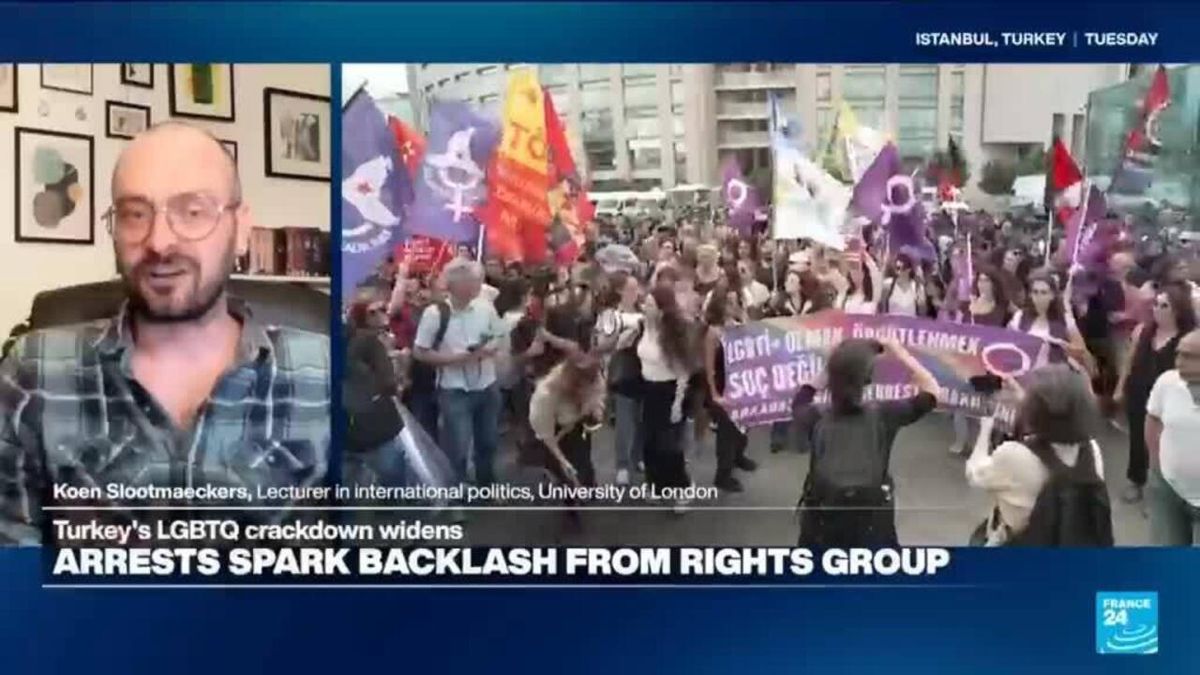
Turkish courts have detained 62 LGBTQ activists and supporters after a weekend sweep, according to a legal‑rights monitor. The operation follows months of rhetoric from President Recep Tayyip Erdogan that frames LGBTQ visibility as a direct threat to his vision of a "strong, masculine state."
Erdogan’s political survival hinges on a blend of nationalist populism and conservative Islam that has reshaped Turkey’s public sphere since the early 2000s. By casting LGBTQ groups as outsiders, the government taps into three intertwined incentives:
1. Electoral Consolidation – Rural and suburban voters, who form the backbone of the AK P’s electoral base, respond to moralistic cues that reinforce traditional gender roles. Targeting LGBTQ activists energizes this constituency ahead of upcoming local elections.
2. Institutional Control – The judiciary, increasingly staffed by appointees loyal to the president, becomes a tool for pre‑emptively silencing dissent. Custody without trial sends a clear signal to civil‑society actors that opposition will be criminalized, not merely debated.
3. International Bargaining – By foregrounding a domestic moral agenda, Ankara can deflect criticism over other contentious policies—such as military procurement, energy deals with Russia, or its stance on the Kurdish issue—by portraying external pressure as an attack on Turkish cultural sovereignty.
These dynamics intersect with Turkey’s broader geopolitical calculus: a desire to project power in the Eastern Mediterranean and the Balkans while maintaining a narrative of internal cohesion that justifies a strong‑hand approach.
The crackdown hits the most vulnerable segments of Turkish society:
- LGBTQ individuals face incarceration, loss of employment, and social ostracism, often forced to hide their identities to avoid police raids.
- Families of detained activists endure economic strain and stigma, with many fearing retaliation if they speak out.
- Local economies in neighborhoods known for queer nightlife suffer as venues close under police pressure, eroding informal employment for bartenders, DJs, and small‑business owners.
- Civil‑society NGOs see funding dried up as donors hesitate to associate with groups labeled “foreign‑influenced” by the state, curtailing broader human‑rights work.
These costs are largely invisible in official statements, which frame the arrests as “law‑and‑order” measures protecting public morality.
While the government emphasizes a moral imperative, it downplays several strategic calculations:
- Signal to the military – By demonstrating willingness to use the courts for social control, Ankara reassures the armed forces that civilian dissent will not spill into the ranks, preserving the military’s loyalty amid ongoing reforms.
- Economic leverage – The crackdown coincides with negotiations over a new energy pipeline with Russia; projecting internal stability reassures foreign investors and energy partners.
- International narrative management – By labeling LGBTQ activism as a Western cultural import, Turkey positions itself as a defender of “Eastern values,” seeking to rally support from other conservative regimes and dilute criticism from the EU and US.
These omitted layers reveal a coordinated effort to intertwine identity politics with broader statecraft.
- Judicial outcomes – Court rulings on the detained activists will signal whether the judiciary remains a pliable instrument or begins to push back under domestic or international pressure.
- Election calendar – Local elections slated for early 2027 will test whether the moral crackdown translates into measurable voter gains for the AK P.
- EU accession talks – Ongoing negotiations may stall or accelerate depending on how European institutions respond to Turkey’s human‑rights record, influencing Ankara’s diplomatic posture.
- Grassroots resilience – Underground networks and diaspora advocacy could reshape the narrative, forcing the state to either intensify repression or reluctantly concede limited space for civil society.
Monitoring these developments will clarify whether Erdogan’s masculine myth can withstand the growing pressure from a population that refuses to be erased.
Source referenced: FRANCE24
This brief was synthesized by our Editorial Engine and reviewed by The Ground Narrative team.


