TRENDING

Tuesday, 4 August 2026
----------------------
21 Safar 1448 AH
China's investment in methanol-powered vehicles is paying off, with Geely operating one of the world's largest fleets of methanol-powered commercial vehicles. This success story highlights the importance of preserving technological options and the role of provincial governments in shaping the technological trajectory of the industry.
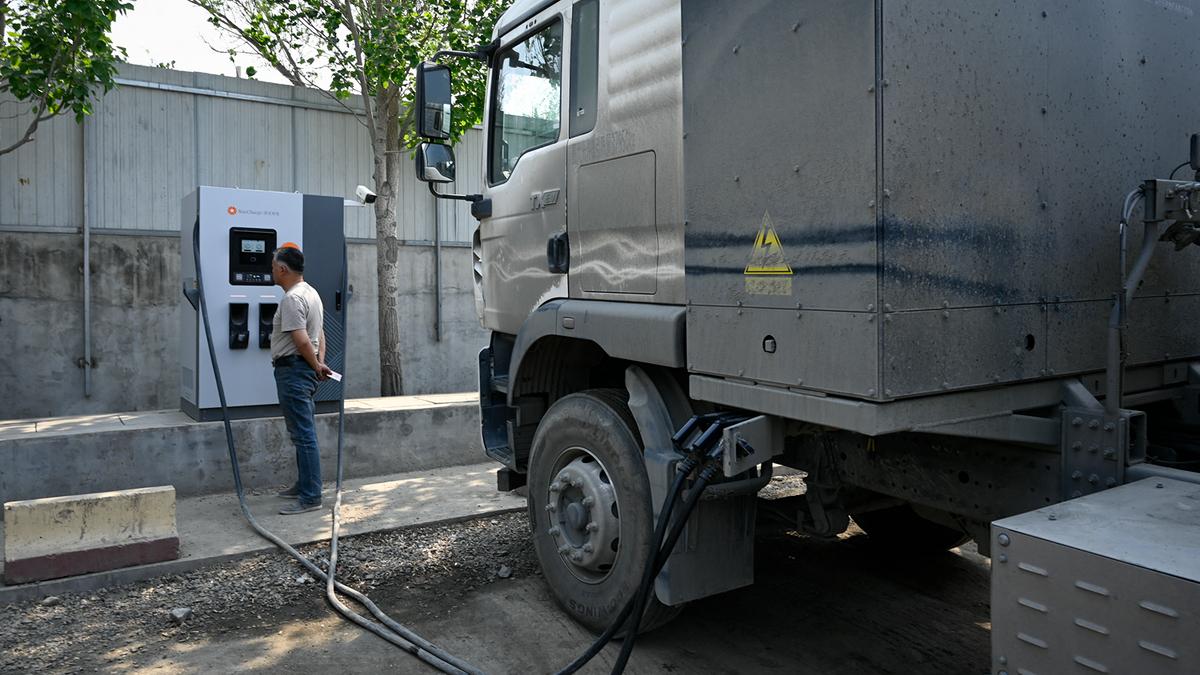
China's bet on methanol-powered vehicles, a technology that was once abandoned by Ford, is now paying off. Geely, a Chinese automaker, has been operating one of the world's largest fleets of methanol-powered commercial vehicles, with over 10,000 trucks and buses sold annually since 2019. This success story is a result of China's willingness to sustain multiple technological pathways and the support of provincial governments.
The story of China's methanol-powered vehicles is a testament to the importance of preserving technological options. In the 1990s, Ford partnered with China's State Science and Technology Commission to develop flexible-fuel vehicles, but the project was eventually abandoned due to commercial and technical challenges. However, China continued to invest in the technology, and provincial governments saw the potential for methanol to advance their own developmental priorities. The support of these governments, combined with Geely's efforts to address the technology's weaknesses, has made methanol-powered vehicles an attractive option for commercial fleet operators.
The development of methanol-powered vehicles has significant implications for the environment and public health. Methanol is a cleaner-burning fuel than diesel, and its use can reduce emissions and improve air quality. Additionally, the production of methanol from coal can provide a new industrial ecosystem for coal-producing provinces, creating jobs and stimulating local economies. However, the production of methanol also poses environmental and health risks, including the potential for water pollution and toxic emissions.
What is often downplayed in the story of China's methanol-powered vehicles is the role of provincial governments in shaping the technological trajectory of the industry. While the Chinese government has prioritized battery electric vehicles, provincial governments have been instrumental in supporting the development of methanol-powered vehicles. This support has included operational subsidies, public bus fleet replacement, incentives for methanol-powered commercial vehicles, and investment in fueling infrastructure. The contrast with the United States, where no comparable coalition of state governments, firms, and sustained federal industrial policy emerged to commercialize the technology, is instructive.
As China continues to develop its methanol-powered vehicle industry, there are several key factors to watch. The incorporation of methanol-powered shipping and green-methanol production into China's green-transition policy framework is a significant development, and the 15th Five-Year Plan's call for further development of methanol fueling infrastructure and industrial ecosystems will be crucial to the industry's growth. Additionally, the potential for methanol-powered vehicles to be used in other countries, particularly in regions with abundant coal reserves, is an area worth monitoring. As the technological landscape continues to evolve, it will be important to track the progress of China's methanol-powered vehicle industry and its implications for the global energy sector.
Editor's Note: The analysis is based on publicly available information and may not reflect the full complexity of the situation.
Source referenced: FOREIGNPOLICY
This brief was synthesized by our Editorial Engine and reviewed by The Ground Narrative team.


