TRENDING

Thursday, 17 September 2026
----------------------
6 Rabi' Al-Thani 1448 AH
Lithuania warns Russia may use captured Ukrainian drones for false flag operations in the Baltics, escalating regional tensions. This potential move aims to destabilize NATO support for Kyiv and test collective defense.
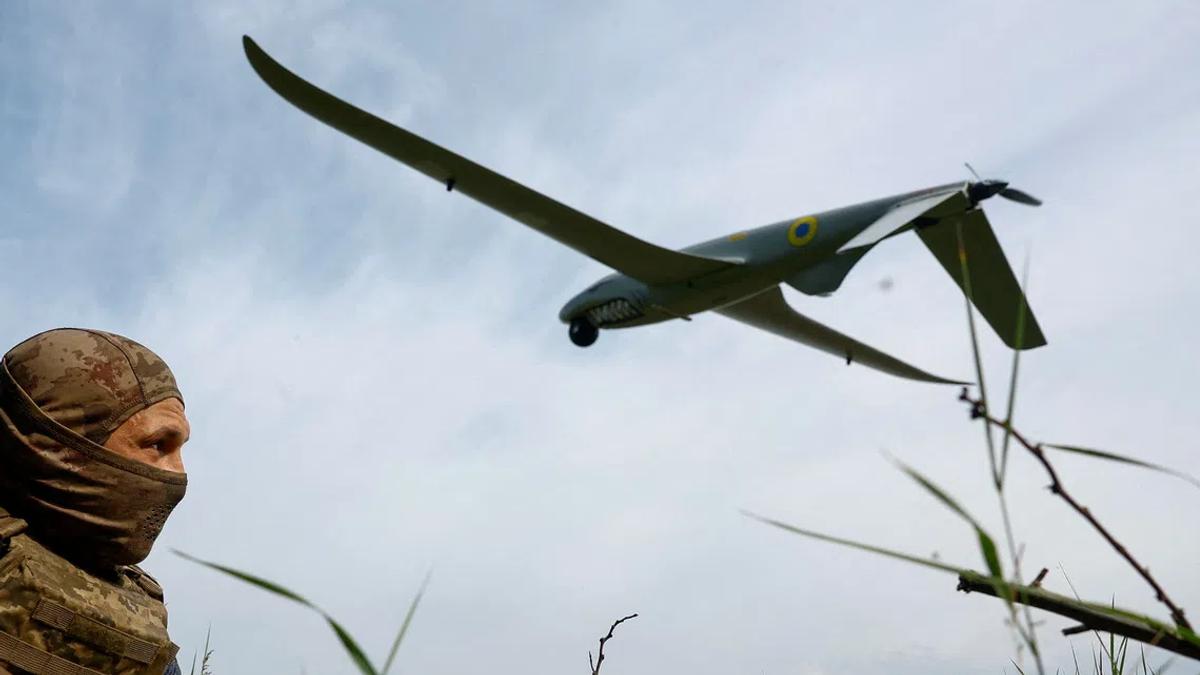
Lithuanian intelligence officials have issued a stark warning: Russia is reportedly considering the use of captured Ukrainian-made drones to stage provocations against the Baltic region. This comes as leaders from Poland and the three Baltic states—Estonia, Latvia, and Lithuania—have collectively voiced concerns that Moscow might orchestrate sabotage or attacks to divert attention from the ongoing conflict in Ukraine and erode international support for Kyiv. The Lithuanian Defence Minister explicitly referred to this as a potential "false flag operation" designed to test NATO's resolve.
This intelligence points to a sophisticated play in the ongoing power struggle between Russia and NATO, particularly concerning the war in Ukraine. Russia's incentive is multi-layered: a false flag operation using a seemingly Ukrainian drone could sow doubt within the NATO alliance, creating internal friction over the application of Article 5 (collective defense). If an attack occurs, and attribution is murky, it could force NATO to either overreact, risking direct escalation, or underreact, signaling weakness and potentially reducing support for Ukraine. For the Baltic states, staunch supporters of Kyiv and frontline NATO members, these warnings serve as a pre-emptive exposure of Russia's potential tactics, aiming to strip away the deniability inherent in such operations. The increasing prevalence of drone warfare, with its inherent challenges in immediate and definitive attribution, provides a fertile ground for such strategic ambiguity.
While foreign ministries and defense officials debate strategic implications, the human cost of such threats falls squarely on the populations of the Baltic states. Heightened security around critical infrastructure, constant warnings from leadership, and the pervasive fear of a potential incident create a climate of anxiety and uncertainty. Businesses face potential disruptions, and the psychological toll of living under the shadow of a possible, deniable attack is significant. Furthermore, if a successful false flag operation were to indeed weaken NATO's resolve or decrease support for Ukraine, it would directly impact the lives of ordinary Ukrainians, prolonging their suffering and undermining their defense efforts against Russian aggression. The stability of daily life, economic prospects, and mental well-being are all casualties of this geopolitical brinkmanship.
What official statements often gloss over is the profound difficulty of proving attribution in a world saturated with drone technology and information warfare. Russia's history of employing hybrid tactics, including cyberattacks and deniable military actions, means that a false flag drone attack would be designed precisely to exploit this ambiguity. Even if a drone is recovered, proving its origin beyond a shadow of a doubt, especially if it's a captured model, is a complex technical and political challenge. This inherent uncertainty is a weapon in itself, allowing Russia to achieve strategic objectives—like testing NATO's unity or justifying further militarization—without clear accountability. The real danger isn't just the physical attack, but the erosion of trust and the paralysis of decision-making that such an ambiguous event could trigger within the alliance.
Observers should closely watch for any increase in electronic warfare activity in the Baltic region, which could precede or accompany drone provocations. Pay attention to the rhetoric from Moscow, particularly any accusations against Ukraine or NATO regarding airspace violations or alleged attacks. Critically, the speed and unanimity of NATO's response to any actual drone incident, especially regarding the invocation of Article 5, will be a key indicator of the alliance's resilience. Any signs of hesitation or internal disagreement among NATO members could embolden further Russian provocations. The ongoing intelligence sharing and defensive preparations by the Baltic states and their allies will be crucial in mitigating the impact of these shadow tactics.
Source referenced: STRAITSTIMES
This brief was synthesized by our Editorial Engine and reviewed by The Ground Narrative team.


