TRENDING

Saturday, 19 September 2026
----------------------
8 Rabi' Al-Thani 1448 AH
As a powerful El Nino looms, the African Union urges member states to prepare for extreme weather, highlighting the continent's disproportionate vulnerability to a climate crisis largely driven elsewhere.
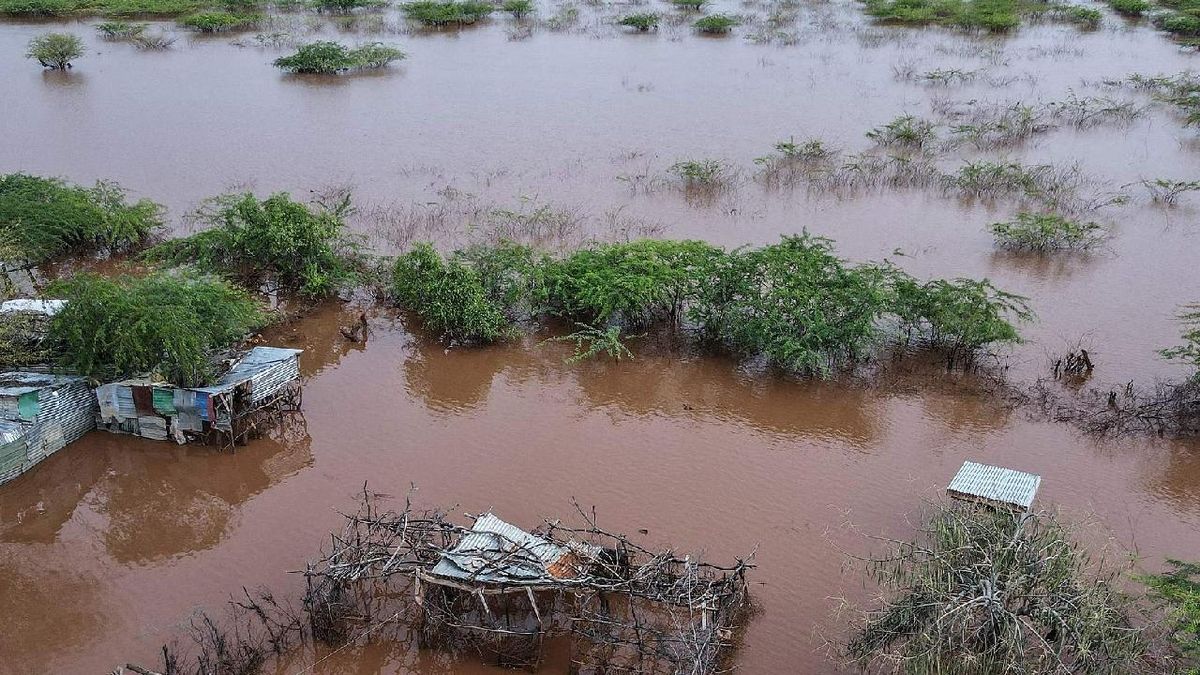
The African Union (AU) has issued a continental call for its member states to bolster preparedness efforts against an impending El Nino phenomenon. Forecasts indicate this El Nino, expected to intensify from August, could be among the strongest in three decades. Experts warn of a stark divergence in weather patterns: East Africa is projected to receive excessive rainfall between August and November, while Southern Africa faces severe drought from November through January. This comes as the continent is still reeling from the devastating impacts of the 2023-2024 El Nino, which triggered widespread droughts, floods, and food insecurity.
Africa's vulnerability to extreme weather events like El Nino is a stark illustration of global power imbalances. While the continent contributes minimally to global greenhouse gas emissions, it disproportionately bears the brunt of climate change impacts. The AU, as a coordinating body, holds limited direct power to enforce preparedness; its influence rests on the collective will and capacity of its 55 member states. These nations, often grappling with competing development priorities, fragile economies, and existing humanitarian crises, face immense pressure to allocate scarce resources towards proactive measures. The international system, while acknowledging climate debt, often responds reactively with humanitarian aid rather than proactively funding robust climate adaptation and resilience infrastructure. This dynamic places the primary burden of mitigation and response squarely on the shoulders of nations least responsible for the crisis, yet most exposed to its consequences.
The human cost of a powerful El Nino across Africa is immense and immediate. Millions of people, particularly those reliant on rain-fed agriculture and pastoralism, face severe threats to their livelihoods and food security. Droughts decimate crops and livestock, leading to widespread hunger and malnutrition, especially among children. Conversely, excessive rainfall brings destructive floods, displacing communities, destroying homes and infrastructure, and increasing the risk of waterborne diseases. These events often trigger internal displacement and cross-border migration, exacerbating existing social tensions and placing further strain on host communities. The most vulnerable—subsistence farmers, informal urban dwellers, women, and children—are consistently the first and hardest hit, their voices rarely heard in the international forums where climate policies are debated and funding allocated.
While the AU's call for preparedness is a necessary step, what remains largely unaddressed is the deeper, systemic issue of historical responsibility and climate finance. The narrative often focuses on "resilience" and "adaptation" within affected nations, subtly shifting the burden away from the major industrial powers whose historical emissions are the primary drivers of global warming. The "preparedness" discussion frequently sidesteps the colossal funding gap for climate adaptation in developing countries. Many African nations are already burdened by significant debt, making it challenging to invest in the long-term infrastructure and early warning systems truly needed. Furthermore, the constant cycle of recovery from one climate disaster only to face another erodes the inherent resilience of communities, turning what should be extraordinary events into a new, grinding normal that saps development gains and perpetuates cycles of poverty.
The immediate focus will be on the effectiveness of the AU's coordinated response and the capacity of individual member states to implement their preparedness plans, particularly in deploying early warning systems and pre-positioning aid. Watch for the scale of humanitarian crises that emerge in both East and Southern Africa, which will test the limits of national and international response mechanisms. Beyond the immediate crisis, the long-term implications for regional stability, food prices, and migration patterns will be critical. The discussions at upcoming international climate conferences regarding "loss and damage" funding and concrete commitments to climate adaptation finance for vulnerable nations will reveal whether the global community is prepared to move beyond calls for preparedness to address the underlying inequities of the climate crisis. The true measure of power will be seen not just in how nations respond to the storm, but in how they address the conditions that make such storms so devastating.
Source referenced: CGTN
This brief was synthesized by our Editorial Engine and reviewed by The Ground Narrative team.


