TRENDING

Thursday, 10 September 2026
----------------------
28 Rabi' Al-Awwal 1448 AH
Pregnant women in the West Bank face a perilous journey to hospitals due to Israeli checkpoints, highlighting the human cost of the ongoing conflict. As violence escalates, these women's lives hang in the balance, caught between the need for medical care and the restrictions of occupation.
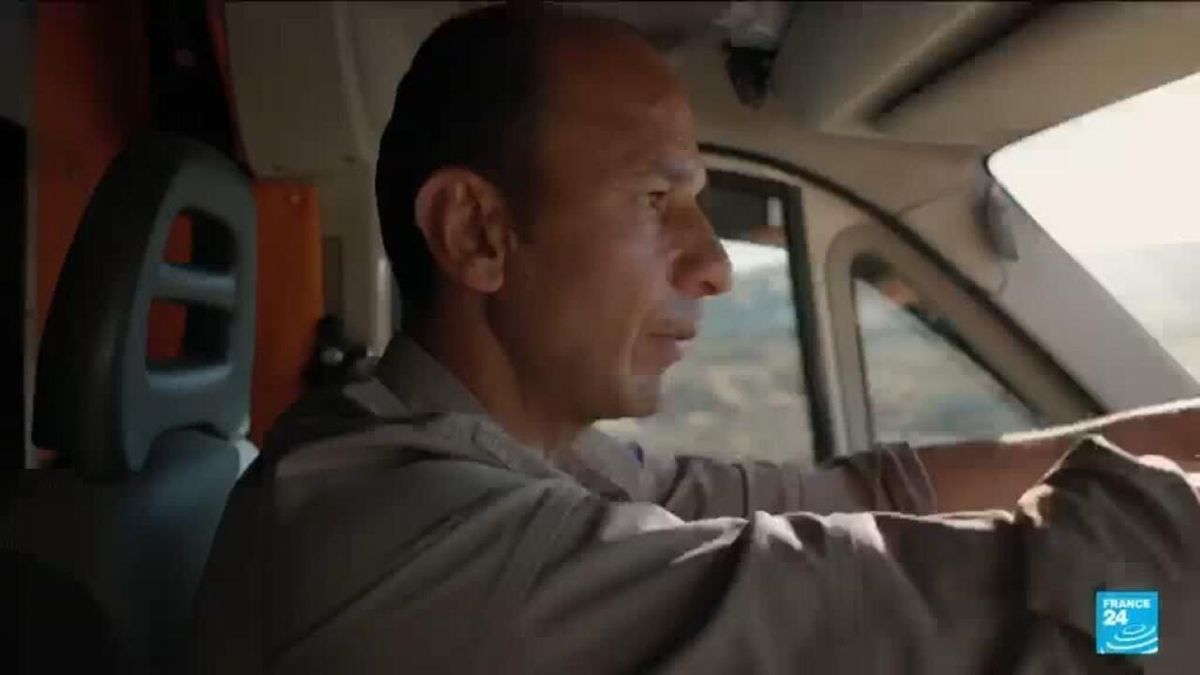
In the aftermath of violence in the West Bank, such as the recent events in Nablus where two Israeli settlers and four Palestinians died, Israel seals off the area, setting up checkpoints that severely restrict movement. For pregnant women needing urgent medical care, these checkpoints become a matter of life and death.
The structural forces at play here involve the Israeli government's policy of sealing off the West Bank in response to outbreaks of violence, a strategy aimed at controlling the movement of potential security threats. However, this policy also inadvertently, or perhaps deliberately, affects the civilian population, particularly vulnerable groups like pregnant women. The Israeli government's primary incentive is to maintain security and control over the territory, even if it means compromising the well-being and human rights of the Palestinian population.
Pregnant women in the West Bank bear the brunt of these policies. Their ability to access timely medical care is severely hindered by the checkpoints, leading to instances where women are forced to give birth at these checkpoints or suffer from complications due to delayed medical attention. The psychological and physical trauma inflicted on these women and their families are often overlooked in the broader geopolitical discourse, leaving them as silent victims of the conflict.
What is often downplayed or omitted in official statements is the long-term impact of these policies on the health and well-being of the Palestinian population, particularly women and children. The restrictions on movement not only affect access to healthcare but also to education, employment, and other essential services. This comprehensive control over the daily lives of Palestinians is a critical aspect of the occupation that is frequently glossed over in favor of discussing 'security concerns' or 'peace negotiations.'
As the situation in the West Bank continues to deteriorate, it is crucial to watch for any shifts in policy from the Israeli government regarding the checkpoints and the movement of Palestinians. Additionally, international pressure and humanitarian efforts to address the plight of pregnant women and other vulnerable populations in the West Bank will be significant in determining the future of this conflict. The role of international organizations and human rights groups in highlighting these issues and pushing for change will be pivotal in the coming months.
Editor's Note: The analysis is based on publicly available information and may not reflect the full complexity of the situation on the ground.
Source referenced: FRANCE24
This brief was synthesized by our Editorial Engine and reviewed by The Ground Narrative team.


