TRENDING

Friday, 11 September 2026
----------------------
29 Rabi' Al-Awwal 1448 AH
Wildfires ravaging over 250,000 acres of Washington state have prompted evacuations and power outages, with thousands of residents affected. The crisis underscores the region's vulnerability to climate change and raises questions about disaster preparedness and response.
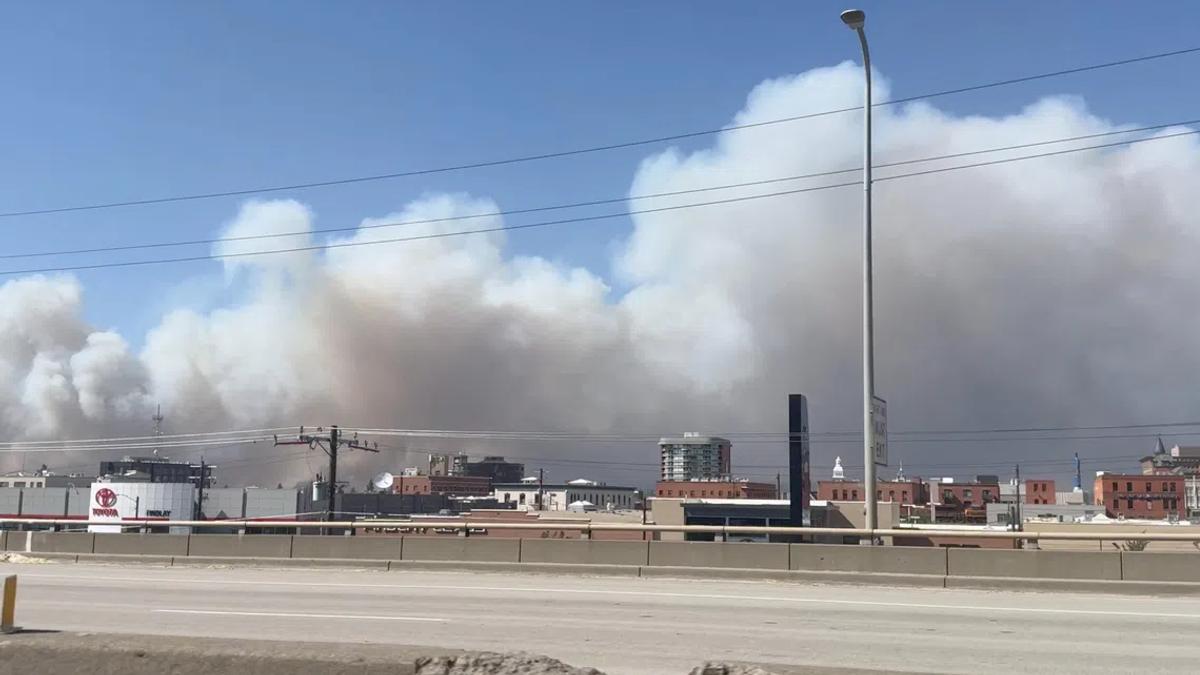
Wildfires have engulfed more than 250,000 acres of Washington state, forcing widespread evacuations and power outages in the Spokane area. The state's governor, Bob Ferguson, has declared a statewide emergency and burn ban, with approximately 4,000 people fighting over a dozen fires throughout the state.
The wildfires in Washington state are not an isolated incident, but rather part of a larger pattern of extreme weather events in the Pacific Northwest. Climate change is altering the region's ecosystem, creating conditions ripe for devastating wildfires. The economic costs of these disasters will be substantial, with potential long-term consequences for the state's economy and infrastructure. Furthermore, the political dynamics at play will likely influence the response to the crisis, with Governor Ferguson's declaration of a statewide emergency and burn ban aimed at mitigating the damage.
The people of Spokane are bearing the brunt of the crisis, with over 200 homes evacuated and thousands more at risk. The disruption to essential services, including water reclamation facilities and a waste-energy plant, will have a significant impact on the daily lives of residents. The emotional toll of the disaster should not be underestimated, with the trauma of displacement and uncertainty likely to linger long after the fires are extinguished.
What is being downplayed in the official narrative is the role of climate change in exacerbating the wildfire risk. While the immediate cause of the fires may be attributed to lightning strikes or human activity, the underlying environmental factors that have created a tinderbox of dry vegetation and hot temperatures are being overlooked. Additionally, the inadequacy of disaster preparedness measures in the region is a concern that warrants closer scrutiny.
As the situation continues to unfold, readers should watch for updates on the containment of the fires and the response efforts of the authorities. The long-term consequences of the disaster, including the economic and environmental impact, will also be crucial to monitor. Furthermore, the policy responses to the crisis, including potential measures to address climate change and disaster preparedness, will be worth tracking.
Editor's Note: The analysis is based on publicly available information and may not reflect the full complexity of the situation on the ground.
Source referenced: STRAITSTIMES
This brief was synthesized by our Editorial Engine and reviewed by The Ground Narrative team.


