TRENDING

Thursday, 17 September 2026
----------------------
6 Rabi' Al-Thani 1448 AH
The US and Israel have decided to hold off on strikes against Iran, following a phone call between US President Donald Trump and Saudi Crown Prince Mohammed bin Salman. This decision comes after weeks of escalating tensions and threats of military action. As the situation unfolds, it's crucial to examine the power dynamics at play and the potential human cost of such actions.
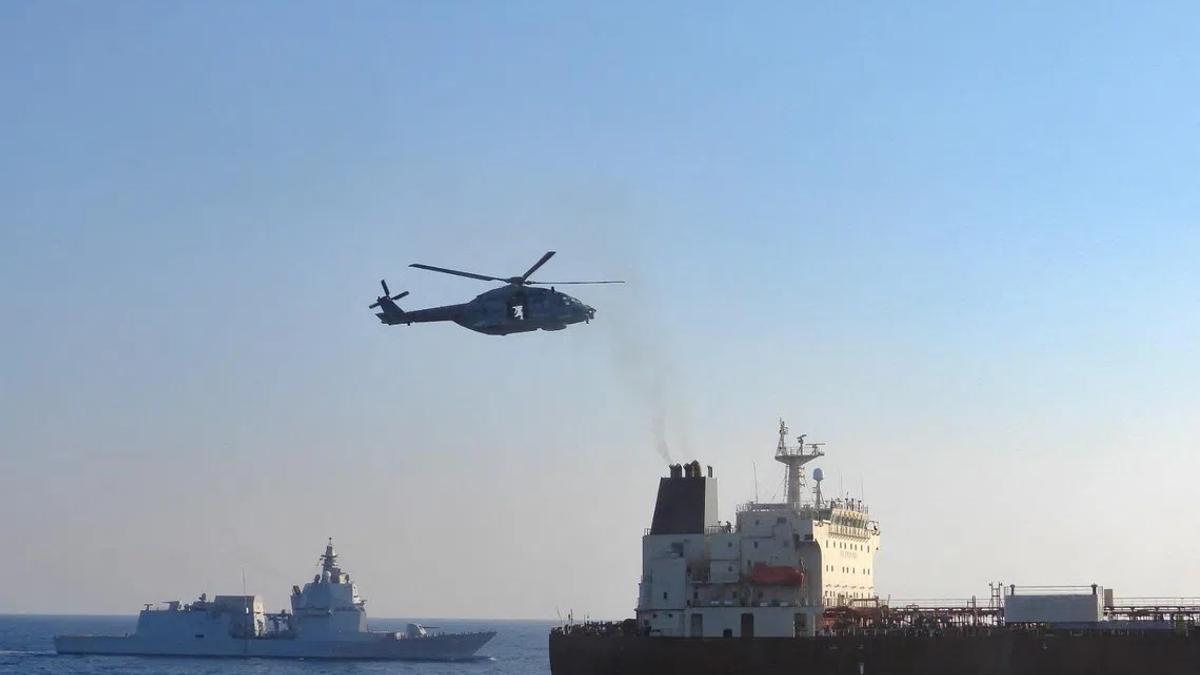
The US and Israel have put their plans for strikes against Iran on hold, at least for the time being. This decision was announced by US President Donald Trump after a phone call with Saudi Crown Prince Mohammed bin Salman, who reportedly urged de-escalation due to fears of Iranian retaliation against the Kingdom and other Gulf states. Israel, according to Trump, has also committed to this pause in military action.
The dynamics behind this decision are multifaceted. The US, Israel, and Saudi Arabia are key players in the Middle East, each with their own interests and concerns. The US seeks to maintain its influence in the region while containing Iran's nuclear ambitions and military expansion. Israel's primary concern is its own security, given its proximity to Iran and the potential for Iranian retaliation. Saudi Arabia, meanwhile, is wary of Iran's growing influence in the region and the potential for conflict to spill over into the Gulf states.
The people who stand to lose the most from any conflict between the US, Israel, and Iran are the civilians living in the region. The consequences of military action would be devastating, with potential losses in life, infrastructure, and economic stability. The region is already fraught with conflict, from the Israeli-Palestinian issue to the wars in Yemen and Syria. Any escalation could lead to a broader, more catastrophic conflict, affecting not just the immediate parties involved but also neighboring countries and the global economy.
What is being downplayed in the official statements is the complex web of alliances and interests that underpin the decision-making process. The US, for instance, is not just considering its own strategic interests but also the political implications of such actions, both domestically and internationally. The role of Saudi Arabia in urging de-escalation highlights the Kingdom's concern about being drawn into a conflict that could have severe repercussions for its own security and economic stability. Furthermore, the potential for Iran to retaliate against US and Israeli interests, both directly and through proxy forces, is a significant factor in the calculations of all parties involved.
As the situation continues to unfold, several key factors will be worth watching. The first is how Iran responds to this pause in military action. Will Tehran see this as an opportunity to negotiate, or will it continue to pursue its nuclear and military ambitions, potentially provoking further conflict? Second, the role of other regional actors, such as Turkey and the Gulf states, will be crucial in determining the trajectory of the conflict. Finally, the domestic political landscapes in the US and Israel will also play significant roles, as both Trump and Netanyahu face political challenges that could influence their decision-making on Iran.
Editor's Note: The situation remains highly fluid, and the analysis is based on current information. Developments may change rapidly, affecting the trajectory of the conflict.
Source referenced: STRAITSTIMES
This brief was synthesized by our Editorial Engine and reviewed by The Ground Narrative team.


