TRENDING

Saturday, 19 September 2026
----------------------
8 Rabi' Al-Thani 1448 AH
President Donald Trump announced a deal that would give the United States permanent control over Greenland’s security, sparking protests in Nuuk. The move pits U.S. strategic ambitions against Danish sovereignty and Greenlandic self‑determination.
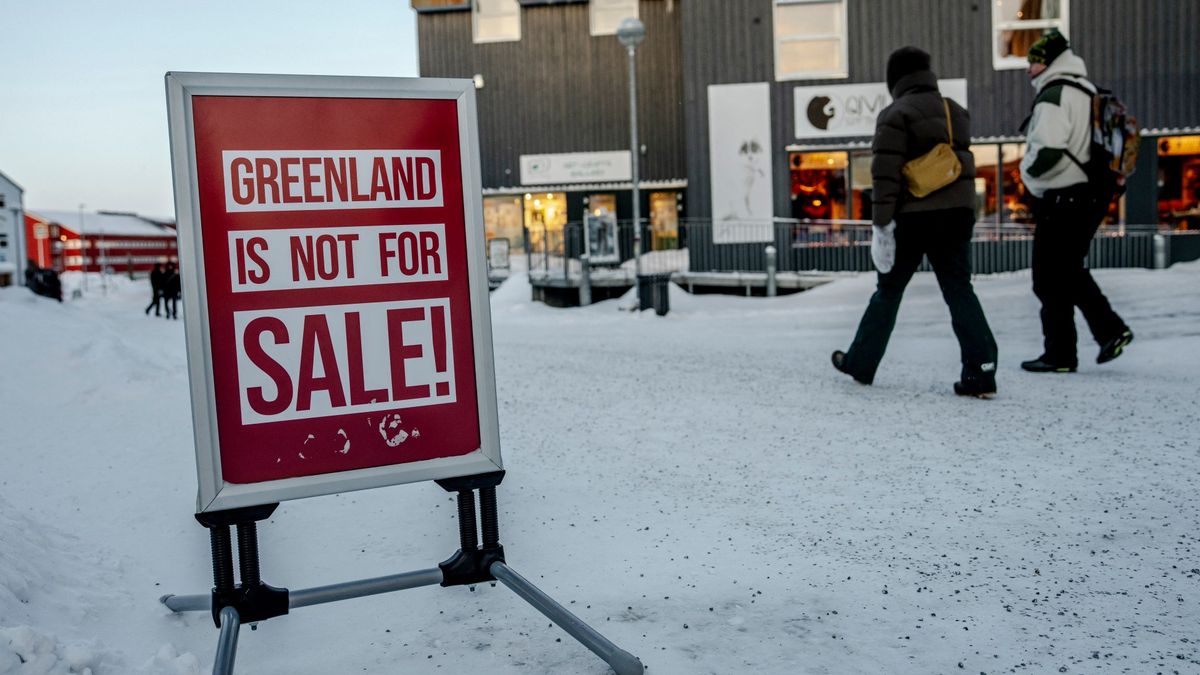
President Donald Trump posted on Truth Social that the United States has secured an agreement with Denmark and Greenland granting "permanent control over security and all other needs" in Greenland. He added that the U.S. will immediately begin building a "significant military footprint" on the island. Denmark and Greenland issued a joint statement saying a pact will be signed at the upcoming UN General Assembly, pending parliamentary approval in Copenhagen and Nuuk.
The announcement taps three intersecting power structures. First, U.S. strategic calculus: Greenland sits atop the Arctic, a region where melting ice is opening new shipping lanes and exposing untapped mineral deposits. Control over the island would give the U.S. a forward base to monitor Russian and Chinese activity, and a launch point for missile defense and anti‑submarine warfare. Second, Denmark’s alliance calculus: As a NATO member, Denmark balances its Atlantic commitments with the desire to keep Greenland within the Western security umbrella. By framing the deal as a safeguard for Greenland’s security, Copenhagen can appease domestic critics while preserving the NATO‑U.S. relationship. Third, Greenlandic self‑determination politics: Greenland enjoys a high degree of autonomy and has been pushing for greater economic independence through mining and tourism. The promise of U.S. security assistance is leveraged to offset local concerns about sovereignty, but the language of "permanent control" sidesteps the island’s right to self‑governance under international law.
The headline focuses on presidents and diplomats, but the real stakes fall on Greenlandic communities. Fishermen fear that expanded military installations will restrict access to traditional hunting grounds and fishing zones, jeopardizing livelihoods that have survived for centuries. Indigenous Inuit populations worry about environmental degradation from construction and increased traffic, especially as climate change already threatens their way of life. Young Greenlanders, many of whom see a future in renewable energy and tourism, face a future where strategic imperatives may dominate economic planning, limiting local input. In Denmark, taxpayers could shoulder the cost of any infrastructure upgrades required to support a U.S. presence, while the Danish parliament must navigate public opinion that is increasingly skeptical of foreign military entanglements.
Official statements stress "security" and "self‑determination," yet they gloss over the economic quid‑pro‑quo likely embedded in the agreement. The United States is expected to fund a portion of Greenland’s infrastructure—airfields, ports, and possibly a new radar network—but the details remain opaque. Moreover, the language about barring "adversary" bases unless the U.S. grants written permission effectively creates a de‑facto veto over any future Danish or Greenlandic foreign policy moves, a point omitted from both Danish and Greenlandic releases. Finally, the timing—coinciding with the UN General Assembly—suggests a diplomatic signaling to Russia and China that the Arctic is now a contested security zone, a nuance absent from the public narrative.
Watch for three developments. Parliamentary ratification in Copenhagen and Nuuk will reveal how much political space Greenlandic leaders retain; any amendment or delay could signal resistance to the "permanent" clause. U.S. congressional response will indicate whether the deal aligns with broader American defense budgeting and whether oversight committees will demand transparency on costs and environmental safeguards. Finally, Arctic stakeholder reactions—particularly from Russia, Canada, and the EU—will surface in the coming months, potentially reshaping NATO’s Arctic posture and influencing future negotiations over resource exploitation in the region.
Source referenced: ALJAZEERA
This brief was synthesized by our Editorial Engine and reviewed by The Ground Narrative team.