TRENDING
Thursday, 17 September 2026
----------------------
6 Rabi' Al-Thani 1448 AH
The Trump administration's subpoena of a New York Times journalist over a story about a secret North Korea mission is the latest salvo in a broader campaign to silence government leaks and intimidate the press. As the US government escalates its pursuit of journalists, the public's right to know is under threat.
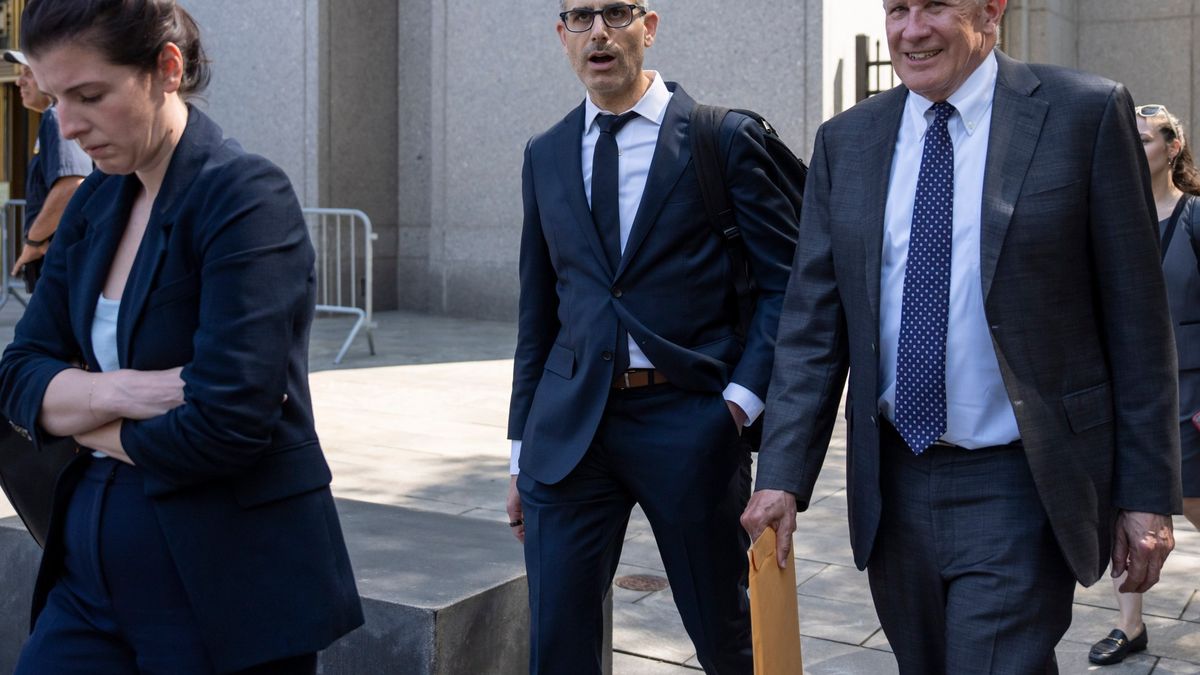
The New York Times has revealed that freelance reporter Matthew Cole has been subpoenaed by the Trump administration over his reporting on a secret 2019 military operation in North Korea. The operation, which involved US Navy SEALs landing on North Korean shores to plant an electronic bug, ended in a confrontation with a North Korean boat. The subpoena is the latest in a series of aggressive court actions taken by the Trump administration to crack down on suspected government leaks.
The Trump administration's use of subpoenas against journalists is a stark example of the power mechanics at play. By targeting reporters and their sources, the government is attempting to exert control over the narrative and suppress information that is critical of its actions. This approach is part of a broader pattern of behavior that has seen the administration launch attacks on the press, undermine the role of journalism in holding those in power accountable, and prioritize national security secrets over the public's right to know.
The human cost of the Trump administration's war on leaks is not limited to the journalists who are being targeted. The pursuit of government secrets and the intimidation of reporters also have a chilling effect on whistleblowers and sources who are essential to holding those in power accountable. As the administration's actions become more aggressive, the risk of retaliation against those who come forward with information of public importance increases. This has significant implications for the public's ability to access information and for the health of democracy as a whole.
What the Trump administration is downplaying is the fact that its actions are not only a threat to press freedom but also a threat to national security. By targeting journalists and their sources, the government is creating an environment in which whistleblowers are less likely to come forward with information that could prevent catastrophic mistakes or abuses of power. The administration's approach also undermines the credibility of the US government and its commitment to transparency and accountability. As the US becomes increasingly isolated on the world stage, the need for a free and independent press to hold those in power accountable has never been more critical.
As the Trump administration continues its pursuit of journalists and whistleblowers, readers should watch for signs of a further escalation in the war on leaks. This could include more aggressive use of subpoenas, increased surveillance of reporters and their sources, and a growing number of prosecutions under the Espionage Act. The public should also be aware of the potential consequences of a chilling effect on journalism, including a lack of accountability and a diminished ability to access information of public importance. Ultimately, the outcome of this struggle will have significant implications for the future of democracy and the role of a free press in holding those in power accountable.
Editor's Note: The analysis is based on publicly available information and may not reflect the full complexity of the situation.
Source referenced: ALJAZEERA
This brief was synthesized by our Editorial Engine and reviewed by The Ground Narrative team.


