TRENDING

Monday, 3 August 2026
----------------------
20 Safar 1448 AH
The US has agreed to hold off fresh attacks against Iran, but the crisis in the Strait of Hormuz continues to escalate, threatening global energy supplies and economic stability. As the situation unfolds, it's essential to examine the power mechanics at play and the human cost of the conflict.
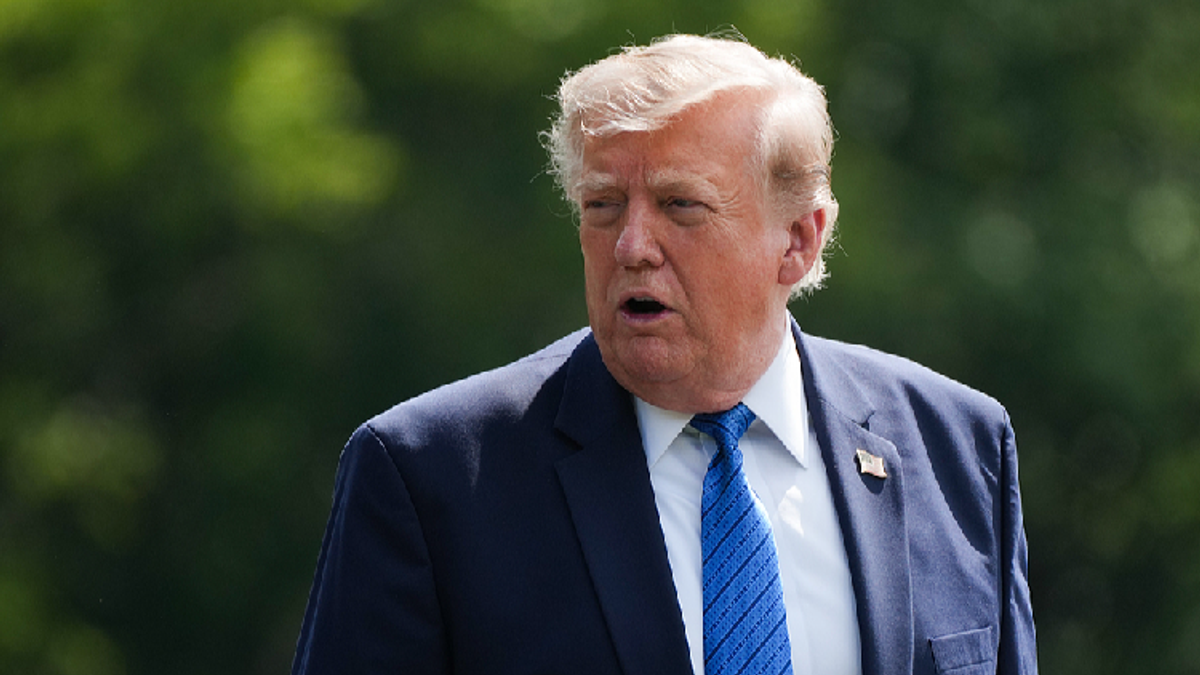
The US has temporarily halted its plans to launch fresh attacks against Iran, according to a statement by President Donald Trump. The decision comes after Iran and other Middle Eastern countries requested a halt to any potential attack, citing the possibility of a deal being reached. The proposed agreement would include the opening of the Strait of Hormuz and an end to Iran's nuclear threat.
The crisis in the Strait of Hormuz is a complex web of power dynamics, with multiple actors vying for influence in the region. The US, Iran, Saudi Arabia, and Israel are all major players, each with their own interests and motivations. The US is seeking to prevent Iran from acquiring nuclear weapons, while Iran is fighting to maintain its sovereignty and regional influence. Saudi Arabia and Israel, on the other hand, are concerned about Iran's growing power and the potential threat it poses to their own security. The Strait of Hormuz, a critical conduit for global energy supplies, has become a chokepoint in this struggle for power.
The conflict in the Strait of Hormuz has significant human implications, particularly for the people of Iran, Yemen, and other countries in the region. The war has already led to increased fuel costs, which have put pressure on households and businesses. The risk of Iranian attacks has also deterred shipping through the Strait of Hormuz, sending shockwaves through the global economy. The humanitarian situation in Yemen, where Iran's Houthi allies are fighting against a Saudi-led coalition, is particularly dire. The conflict has led to widespread poverty, hunger, and displacement, with millions of people in need of aid.
One aspect of the crisis that is often downplayed is the role of external actors in exacerbating the conflict. The US, in particular, has been accused of provoking Iran through its aggressive rhetoric and military posturing. The Trump administration's decision to withdraw from the Iran nuclear deal in 2018 is seen by many as a key factor in the current crisis. Additionally, the involvement of other countries, such as Saudi Arabia and Israel, has contributed to the escalation of the conflict. The media often focuses on the immediate events, but the underlying power struggles and historical context are essential to understanding the crisis.
As the situation in the Strait of Hormuz continues to unfold, there are several key developments to watch. The US and Iran are engaged in delicate negotiations, and any breakthrough or setback could have significant implications for the region. The role of other actors, such as Saudi Arabia and Israel, will also be crucial in determining the outcome of the conflict. The humanitarian situation in Yemen and other affected countries will require close attention, as the conflict has already led to significant human suffering. Ultimately, the crisis in the Strait of Hormuz is a complex and multifaceted issue, requiring a nuanced understanding of the power dynamics and human implications at play.
Editor's Note: The analysis is based on current events and historical context, but the situation is rapidly evolving, and new developments may alter the assessment.
Source referenced: CGTN
This brief was synthesized by our Editorial Engine and reviewed by The Ground Narrative team.


