TRENDING

Wednesday, 5 August 2026
----------------------
22 Safar 1448 AH
Torrential rains have triggered deadly mudslides and flash floods in Sri Lanka, killing at least seven people and injuring several others, as the country struggles to recover from the devastation of Cyclone Ditwah. The disaster highlights the nation's vulnerability to extreme weather events and its strained disaster response capacity.
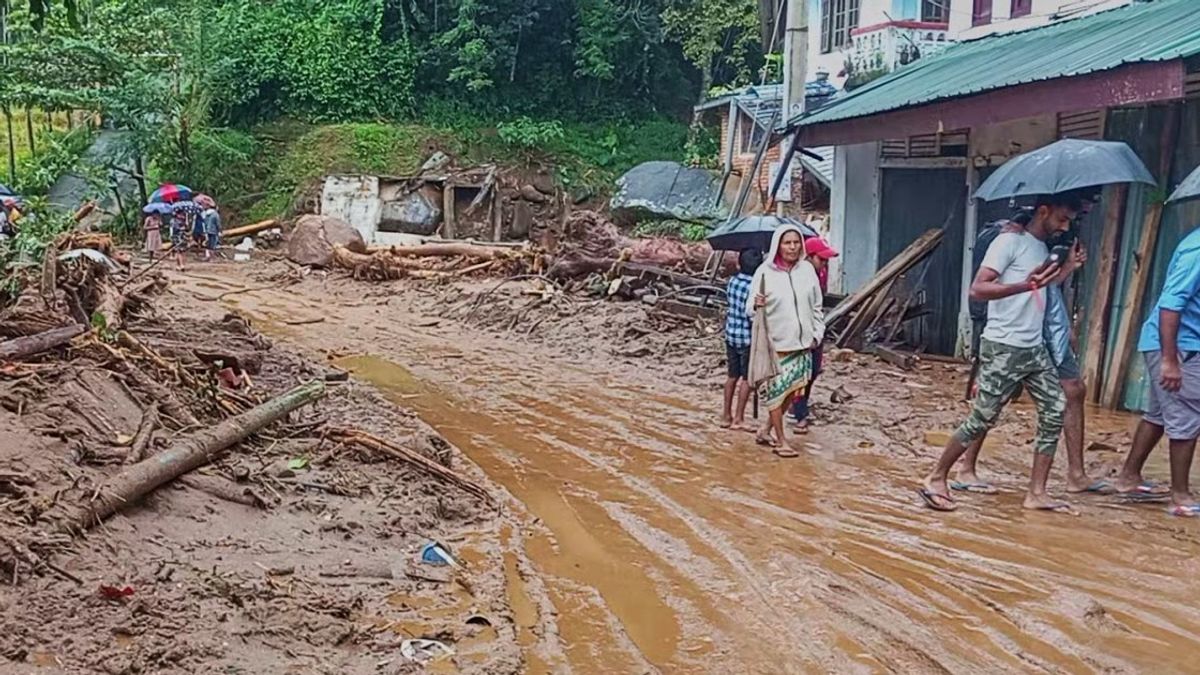
Sri Lanka has been hit by torrential rains, resulting in deadly mudslides and flash floods that have killed at least seven people and injured several others. The disaster has affected the country's central highlands, particularly the tea-growing region, which is still reeling from the impact of Cyclone Ditwah that struck last November.
The Sri Lankan government's ability to respond to natural disasters is being severely tested, with the country's disaster management capacity strained by repeated bouts of extreme weather. The government's decision to shut down schools across the affected districts is a testament to the severity of the situation. However, the fact that authorities have not said when schools will reopen raises concerns about the long-term impact on education and the economy. The country's debt crisis and economic instability are likely to exacerbate the situation, making it even more challenging for the government to allocate resources for disaster relief and recovery.
The people of Sri Lanka, particularly those living in the central highlands, are bearing the brunt of the disaster. The flooding and mudslides have damaged 129 houses and forced the evacuation of nearly 3,500 people, leaving many without access to basic necessities like food, shelter, and healthcare. The psychological toll of repeated disasters should not be underestimated, as communities are being forced to relive the trauma of Cyclone Ditwah, which killed nearly 640 people and caused an estimated $4.1bn in damage.
What is being downplayed in the official narrative is the role of climate change in exacerbating the frequency and severity of extreme weather events in Sri Lanka. The country's location in the Indian Ocean makes it vulnerable to cyclones and monsoon rains, but the impact of climate change is being felt disproportionately by the most vulnerable populations. The government's response to the disaster is also being influenced by its economic priorities, with the country struggling to balance its debt obligations with the need to allocate resources for disaster relief and recovery.
As the situation unfolds, readers should watch for the government's response to the disaster, particularly in terms of its ability to allocate resources for relief and recovery. The international community's response will also be crucial, as Sri Lanka may require external assistance to cope with the scale of the disaster. Furthermore, the impact of the disaster on the country's economy and political stability should not be underestimated, as the government's ability to respond to the crisis will be closely scrutinized by the public and the international community.
Editor's Note: The analysis is based on publicly available information and may not reflect the full complexity of the situation on the ground.
Source referenced: ALJAZEERA
This brief was synthesized by our Editorial Engine and reviewed by The Ground Narrative team.