TRENDING

Saturday, 19 September 2026
----------------------
8 Rabi' Al-Thani 1448 AH
Spain has installed a floating barrier off its North African enclave of Ceuta following a mass influx of migrants, exposing Europe's deepening border crisis and the human toll of geopolitical maneuvering.
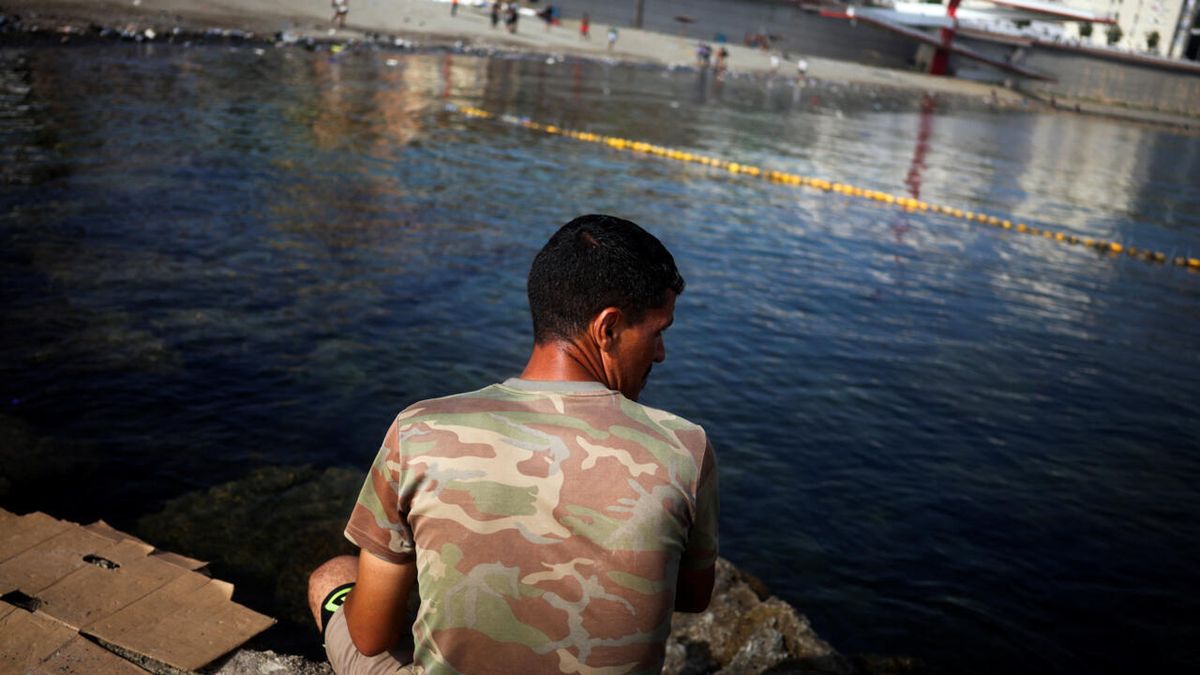
Spanish authorities recently deployed a 500-meter floating barrier off the coast of Ceuta, one of its two North African enclaves bordering Morocco. This immediate response followed an unprecedented surge where approximately 60,000 individuals crossed into the territory by land and sea within days. The influx, which prompted alarm across the European Union, tragically resulted in the deaths of at least 67 people, with many more immediately returned to Morocco.
This event is less about a simple migrant surge and more about the intricate power dynamics between Spain, Morocco, and the wider European Union. For Spain, the barrier serves multiple purposes: it's a visible declaration of border control to appease a nervous EU and a domestic population concerned about sovereignty and security. It also attempts to physically reinforce the Schengen area's external frontier. However, Spain's position is inherently delicate, reliant on Morocco for cooperation on migration management. Morocco, in turn, wields significant leverage. The sudden, massive scale of the influx suggests that Moroccan authorities, who typically exert tight control over their borders, either relaxed their enforcement or actively facilitated the movement. This often signals a diplomatic message, a pressure tactic related to broader bilateral issues such as Western Sahara, fishing rights, or economic aid. For the European Union, the crisis in Ceuta highlights its persistent struggle to forge a unified, humane, and effective migration policy, exposing internal divisions as member states like Italy react by suspending passport-free travel.
The most immediate and devastating cost of this geopolitical chess match is borne by the individuals attempting the crossing. At least 67 lives were lost – people who drowned or were crushed in their desperate bid for a better life. These are not mere statistics but individuals with families, stories, and hopes, reduced to casualties of a border policy. For those who survived the perilous journey, many faced immediate return to Morocco, their hopes dashed and their ordeal compounded. The communities within Ceuta also bear a significant burden, as local services and infrastructure are strained by sudden arrivals and the ongoing presence of security forces. The human cost extends beyond the immediate tragedy to the psychological trauma inflicted on all involved, from the migrants themselves to the border guards tasked with enforcing increasingly rigid lines.
Official statements from Madrid quickly downplayed any notion of Moroccan culpability, with Spain's Interior Minister stating, "Morocco isn't any threat... it's a fully reliable partner." This swift diplomatic reassurance, however, subtly underscores the unspoken reality: Morocco's significant, often unacknowledged, power in regulating migration flows into Europe. The sheer scale and speed of the Ceuta influx, unprecedented in recent history, makes it difficult to believe it was entirely spontaneous and beyond Morocco's control. What is being omitted is the potential for migration to be used as a strategic tool in bilateral negotiations, a lever in the complex relationship between Rabat and Madrid. Furthermore, while the EU expresses alarm and calls for emergency meetings, the focus remains overwhelmingly on *border security* rather than addressing the *root causes* of migration – the economic hardship, lack of opportunity, and instability that compel people to risk their lives. The new floating barrier, like previous fences and walls, is a symptom-treatment, not a cure, pushing desperate individuals towards even more dangerous routes and empowering the very smuggling networks governments claim to combat.
Moving forward, several key dynamics will bear watching. First, observe the evolving relationship between Spain and Morocco. Will this incident lead to renewed diplomatic concessions or aid packages from Spain and the EU to secure Morocco's continued cooperation on migration control? Second, the EU's internal cohesion on migration will be tested. Will the Ceuta crisis finally catalyze a more unified and equitable burden-sharing mechanism, or will it further entrench nationalistic border policies and internal divisions? Finally, the practical effectiveness and human impact of the new floating barrier will be critical. Will it genuinely deter future crossings, or merely force migrants into more perilous attempts, potentially increasing the death toll and further empowering human traffickers? The human tide, driven by desperation, rarely respects man-made lines in the sand or water.
Source referenced: FRANCE24
This brief was synthesized by our Editorial Engine and reviewed by The Ground Narrative team.


