TRENDING

Saturday, 1 August 2026
----------------------
18 Safar 1448 AH
Senegal has passed a stringent new law escalating penalties for same-sex relations and criminalizing LGBTQ+ advocacy, sparking widespread concern. This analysis examines the political calculus behind the legislation and its profound human cost.
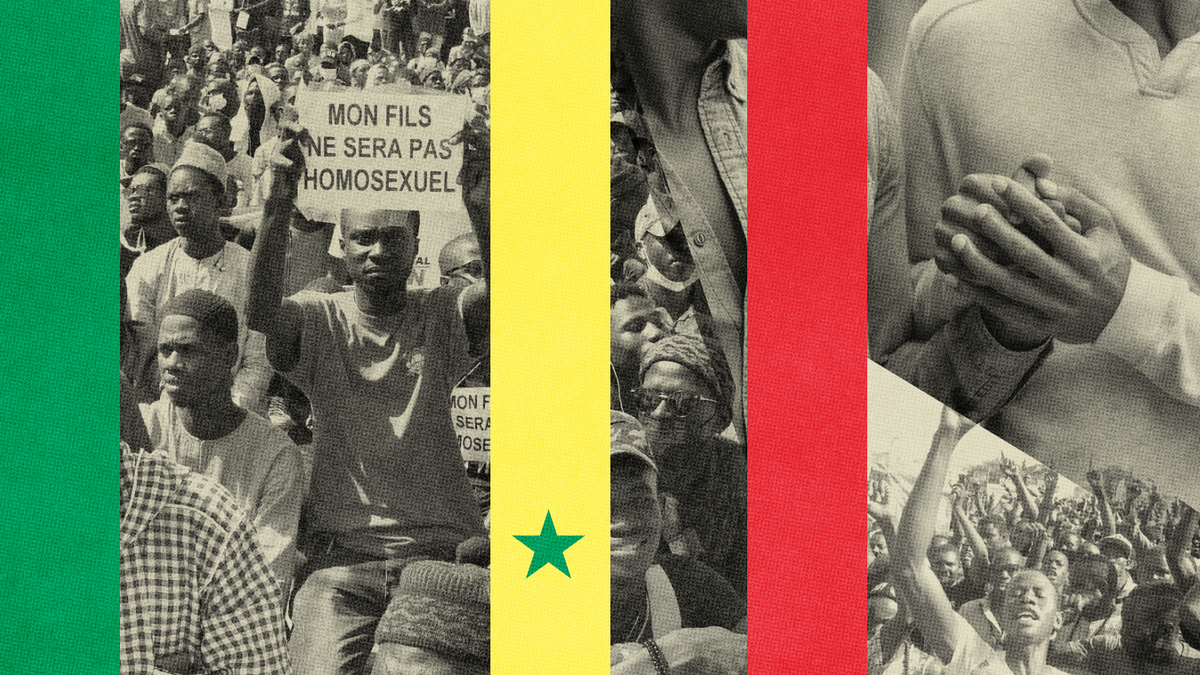
In early March, Senegal's legislature approved a bill dramatically increasing the maximum prison term for same-sex relations from five to 10 years and explicitly criminalizing any advocacy for LGBTQ+ rights. The announcement was met with applause, signaling a legislative consensus that frames queerness as a foreign threat to Senegalese health and the values of its Muslim majority.
This legislative move is not merely a reflection of societal sentiment; it is a calculated exercise in power consolidation. For political leaders, such a law offers a potent tool to rally support from conservative religious and social factions, particularly in a Muslim-majority nation where religious authority holds significant sway. By casting LGBTQ+ identities as a 'Western import' and a threat to national 'purity,' the government effectively deflects attention from other pressing issues, such as economic challenges or governance concerns. This narrative allows the ruling class to position itself as a defender of traditional values and national identity, securing a powerful base of support. The conflation of same-sex relations with public health crises like HIV/AIDS, despite scientific evidence, serves to further demonize a minority group, turning them into a convenient scapegoat for broader societal anxieties. This strategy leverages deep-seated cultural norms and religious interpretations to forge a seemingly unified front, making dissent politically perilous.
For LGBTQ+ individuals in Senegal, this law ushers in an era of heightened fear, persecution, and isolation. The human cost is immediate and devastating: increased risk of arbitrary arrest, longer prison sentences, and a chilling effect on any form of self-expression or community building. Beyond legal penalties, the law legitimizes and intensifies societal violence, ostracization, and discrimination. Families may feel compelled to sever ties with queer members to avoid social shame, as depicted in Mohamed Mbougar Sarr's novel *Pure Men*, creating profound emotional and psychological trauma. Academic freedom is stifled, as educators fear discussing topics deemed 'impure.' Furthermore, the criminalization of advocacy severely hampers public health initiatives, driving vulnerable populations underground and making effective HIV/AIDS prevention and treatment efforts significantly more challenging. The message is clear: to belong, one must conform, or face erasure.
The official narrative that queerness is a 'Western import' and inherently 'un-African' is a critical component of the power structure, yet it is a historically convenient omission. Research, often confined to academic circles due to fear of backlash, reveals that diverse sexualities and gender identities have existed in various forms across African societies long before colonial contact. Terms like 'goor-jigeen' in Wolof, which once described a social or sexual identity rooted in indigenous culture, have been deliberately re-semanticized to become exclusively pejorative, reflecting a modern, politically driven policing of gender and sexual boundaries. Governments and religious institutions downplay or outright ignore this complex history, preferring a simplified narrative that justifies their current policies. This selective historical framing allows powerful actors to maintain a rigid social order, portraying any deviation as an external threat rather than acknowledging the internal diversity that has always existed within Senegalese society.
The passage of this law sets the stage for several critical developments. Domestically, watch for how civil society organizations and human rights advocates, despite the criminalization of their work, adapt their strategies to support affected communities. The novel *Pure Men* may serve as a catalyst for internal dialogue, potentially sparking quiet resistance or prompting further artistic and intellectual challenges to the prevailing narrative. Internationally, the response of global bodies, aid organizations, and trade partners will be crucial. Will there be diplomatic pressure, economic sanctions, or a withdrawal of development aid? Such actions could create a complex dilemma for Senegal's government, balancing internal political gains against external economic and reputational costs. Finally, observe whether this legislative trend spreads further across the African continent, potentially emboldening similar crackdowns in other nations and shaping the broader discourse on human rights and sovereignty in the region.
Source referenced: FOREIGNPOLICY
This brief was synthesized by our Editorial Engine and reviewed by The Ground Narrative team.


