TRENDING

Sunday, 2 August 2026
----------------------
19 Safar 1448 AH
A tourist plane crash over Peru's Nazca Lines has killed 13 people, including 11 foreign tourists, raising concerns over safety and regulation in the country's tourism industry. The incident highlights the human cost of adventure tourism and the need for stricter safety protocols.
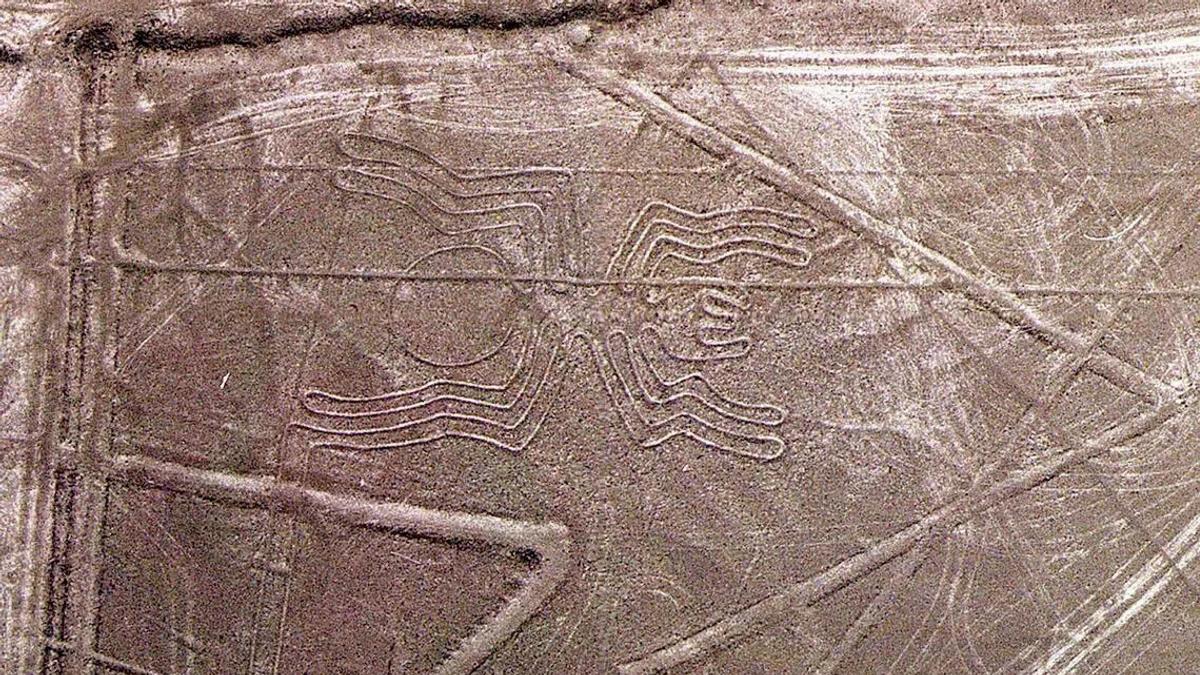
On August 1, a small tourist plane crashed near Peru's Nazca Lines, killing all 13 people on board. The Cessna Caravan aircraft, operated by local Peruvian airline Aerodiana, was carrying 11 foreign tourists and 2 crew members. The cause of the crash is still unknown and under government investigation.
The Nazca Lines are one of Peru's main tourist destinations, attracting approximately 100,000 annual visitors. The Peruvian government and local airlines have a vested interest in maintaining a safe and profitable tourism industry. However, the recent suspension of flights over the Nazca Lines due to strong winds and poor visibility raises concerns about the prioritization of safety over profits. The lack of transparency and regulation in the tourism industry can have devastating consequences, as seen in this tragic accident.
The victims of the crash were not just statistics; they were people with families, friends, and loved ones. The human cost of this accident is immense, and it is essential to consider the impact on the families of the victims. The pursuit of adventure and wonder should not come at the cost of human life. The Peruvian government and the tourism industry must take responsibility for ensuring the safety of tourists and preventing such tragedies in the future.
What is being downplayed in the official statements is the inadequacy of safety protocols and regulations in Peru's tourism industry. The recent suspension of flights due to strong winds and poor visibility suggests that the industry is aware of the risks but may not be taking sufficient measures to mitigate them. The government and the industry are likely to face scrutiny over their handling of safety concerns, and it is essential to investigate the incident thoroughly to prevent similar accidents in the future.
As the investigation into the crash continues, readers should watch for updates on the government's response to the incident. Will the Peruvian government take concrete steps to improve safety protocols and regulations in the tourism industry, or will it be business as usual? The international community should also pay attention to the impact of adventure tourism on local communities and the environment. The pursuit of wonder and adventure should not come at the cost of human life or the well-being of local ecosystems.
Editor's Note: The investigation into the crash is ongoing, and the causes of the accident are still unknown.
Source referenced: STRAITSTIMES
This brief was synthesized by our Editorial Engine and reviewed by The Ground Narrative team.


