TRENDING

Sunday, 20 September 2026
----------------------
9 Rabi' Al-Thani 1448 AH
Saudi air defenses shot down a Houthi ballistic missile aimed at the capital, sparking fresh alerts and a wave of rhetoric. The incident reveals deeper regional stakes and a human toll that remains largely invisible.
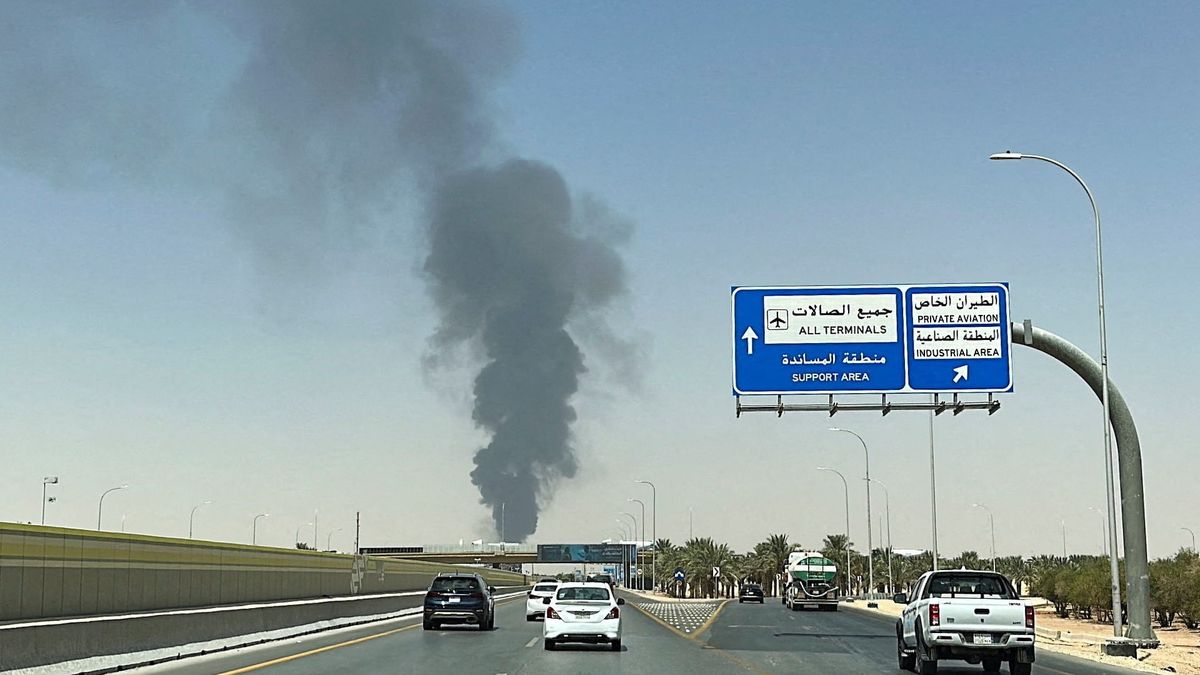
On September 19, 2026, the Saudi‑led coalition reported that a ballistic missile launched by Yemen’s Iran‑backed Houthi movement was intercepted before reaching Riyadh. The coalition spokesperson claimed the attack also targeted civilian sites in Bisha, Taif, Farasan and Yanbu, while the Houthis announced strikes on “sensitive” locations, including an Aramco facility. The missile splash was visible as a plume of black smoke near King Khalid International Airport, but Saudi officials said there were no casualties.
The missile launch sits at the intersection of several incentive structures. For the Houthis, projecting the ability to strike deep inside Saudi territory serves both domestic legitimacy and a bargaining chip in any future negotiations with Riyadh or Tehran. Saudi Arabia, meanwhile, leverages its sophisticated air‑defence network to demonstrate military competence and to reassure domestic and Gulf partners of its protective umbrella. The United States, a key arms supplier to the coalition, watches the episode closely; any perceived erosion of Saudi defensive credibility could prompt renewed diplomatic pressure or a recalibration of U.S. force posture in the Red Sea. Iran’s covert support for the Houthis adds another layer, allowing Tehran to signal regional reach without direct confrontation.
While headlines focus on missiles and alerts, ordinary Saudis near the airport endured sleepless nights, sirens, and the anxiety of potential casualties. In Yemen, the intensified fighting that accompanied the missile launch claimed at least 25 lives among soldiers and combatants, with civilians in Marib, Taiz and Lahj facing displacement, loss of livelihoods, and disrupted access to water and health services. The broader Yemeni population, already enduring one of the world’s worst humanitarian crises, bears the cumulative cost of each escalation—food insecurity, school closures, and the erosion of any remaining hope for a durable peace.
Official statements from Riyadh and its allies emphasize the successful interception and the moral high ground of defending civilians. What receives less attention is the growing reliance on foreign‑made air‑defence systems, which come with long‑term maintenance contracts and a dependency on external logistics chains. Likewise, the narrative downplays the extent to which the missile launch was a response to Saudi airstrikes on Houthi positions in the mountains of Marib, where terrain makes conventional defeat costly. The covert flow of Iranian weapons and financing to the Houthis is acknowledged only in vague terms, obscuring the deeper proxy dynamics that sustain the conflict.
Watch for three developments: first, any shift in Saudi air‑defence procurement that could tighten U.S. leverage in the Gulf; second, the possibility of a calibrated Houthi escalation aimed at oil infrastructure, which would pressure global markets and draw in external actors; third, diplomatic overtures from the United Nations or GCC that might attempt to freeze hostilities, though their success will hinge on whether Tehran’s regional agenda aligns with a de‑escalation. The pattern of missile launches will likely serve as a barometer for the conflict’s trajectory, signaling whether the war remains a localized insurgency or expands into a broader regional flashpoint.
Source referenced: ALJAZEERA
This brief was synthesized by our Editorial Engine and reviewed by The Ground Narrative team.


