TRENDING

Friday, 7 August 2026
----------------------
24 Safar 1448 AH
The arrest of a former Mexican governor for allegedly destroying evidence tied to the disappearance of 43 students in 2014 has brought new attention to one of the country's worst human rights atrocities. The case has been marred by missteps and interference, with international probes determining that the students were killed by organized crime members in cahoots with police.
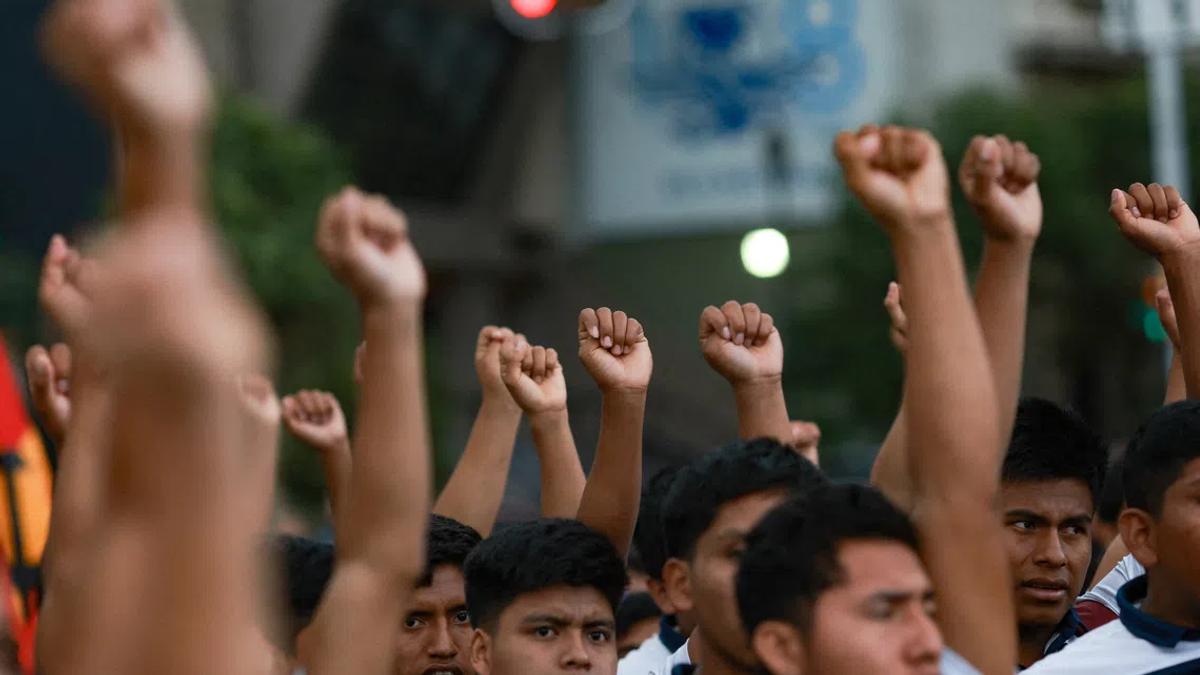
The former governor of Mexico's southern Guerrero state, Angel Aguirre, has been arrested for allegedly ordering the destruction of evidence related to the disappearance of 43 students from Ayotzinapa Rural Teachers' College in 2014. The students were on their way to a protest in Mexico City when they were killed by organized crime members in cahoots with police, according to international probes.
The arrest of Aguirre is a significant development in a case that has been marked by state obstruction and interference. The Mexican government has faced criticism for its handling of the investigation, with many believing that officials have sought to cover up the involvement of state and local authorities in the disappearance and murder of the students. The case has also highlighted the deep-seated corruption and complicity between organized crime groups and government officials in Mexico.
The disappearance of the 43 students has had a devastating impact on their families and communities. The lack of accountability and transparency in the investigation has left many feeling frustrated and disillusioned with the government's response. The case has also had a broader impact on Mexican society, with many seeing it as a symbol of the country's struggles with impunity and corruption.
What is being downplayed in the official narrative is the extent of state involvement in the disappearance and murder of the students. The fact that Aguirre allegedly ordered the destruction of evidence suggests that there may have been a concerted effort to cover up the truth. Additionally, the role of organized crime groups in the disappearance and murder of the students is still not fully understood, and it is unclear whether the government is doing enough to address the root causes of violence and corruption in Mexico.
As the investigation into Aguirre's alleged involvement in the disappearance of the 43 students continues, readers should watch for further developments in the case, including any new evidence or testimony that may come to light. Additionally, the response of the Mexican government to the arrest of Aguirre will be important to monitor, as it will indicate whether the government is truly committed to holding those responsible accountable and addressing the underlying issues that contributed to the tragedy.
Editor's Note: The analysis is based on publicly available information and may not reflect the full complexity of the situation on the ground.
Source referenced: STRAITSTIMES
This brief was synthesized by our Editorial Engine and reviewed by The Ground Narrative team.