TRENDING

Saturday, 1 August 2026
----------------------
18 Safar 1448 AH
A synthetic street drug known as kush has spread across Liberia, pulling young people into addiction and disrupting communities. Behind the crisis lies a complex web of international trafficking networks and a struggling law enforcement system. As the Liberian government declares drug abuse a public health emergency, families and local leaders are left to pick up the pieces and wonder if the response will be enough to stem the tide of kush and save a generation at risk.
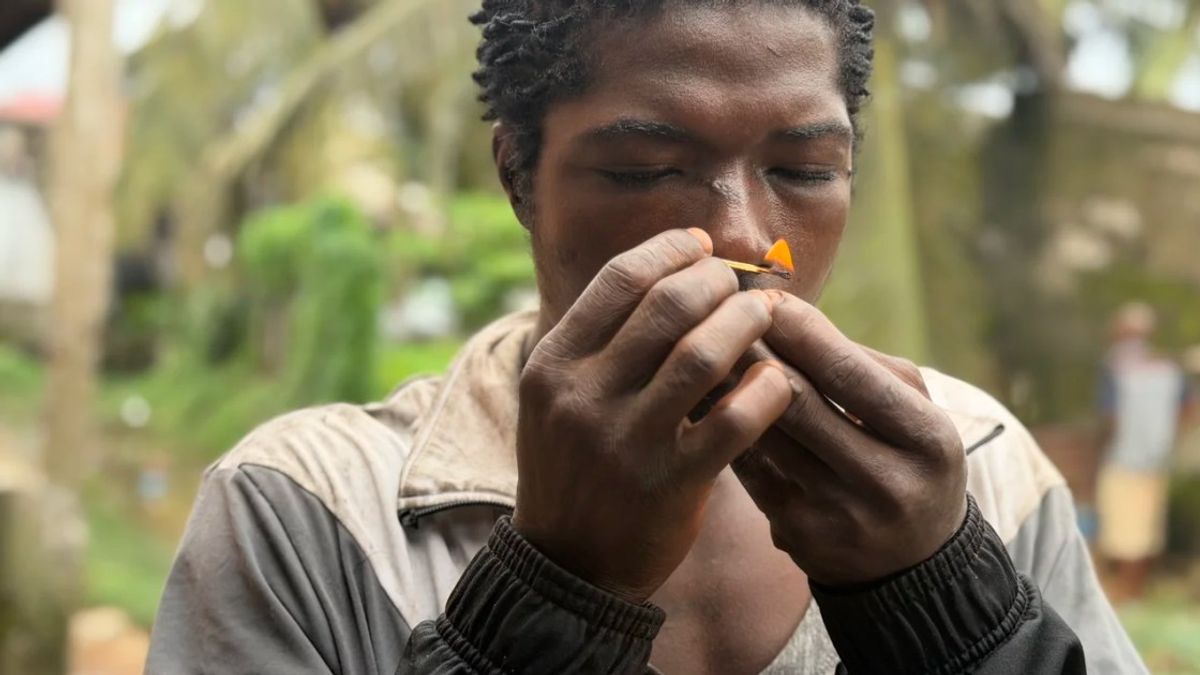
Liberia is facing a severe public health crisis due to the spread of kush, a cheap and highly addictive synthetic street drug. The drug has been reported to contain unpredictable combinations of synthetic substances, making its effects dangerous and recovery challenging. Families across the country are struggling to cope with the addiction of their children, with many young people dropping out of school and ending up on the streets.
The kush crisis in Liberia is not just a local issue but is intricately linked with international narcotics trafficking. The country's strategic location makes it a transit point for large shipments of cocaine and other drugs. The Liberian Drug Enforcement Agency (LDEA) has arrested over 1,167 people on allegations of drug trafficking between September 2025 and June 2026, but secured only eight convictions. This disparity suggests that while law enforcement is active, it may not be effectively targeting the organizers and financiers of the drug trade. The adaptability of traffickers, who adjust their strategies in response to enforcement efforts, further complicates the situation.
The human cost of the kush crisis is profound. Families are torn apart as children become addicted and drop out of school. The story of Miata Paye, whose son became addicted to kush and struggled to recover despite two rehabilitation attempts, illustrates the desperation and helplessness many families feel. Local leaders, like Thomas Wesseh, who have lost family members to the drug, are working to support their communities but face threats from suspected dealers who return after police operations. The crisis is not just about addiction; it's about the future of a generation and the stability of communities.
What is often downplayed in the discussion about the kush crisis is the role of international trafficking networks and the failure of the criminal justice system to effectively combat the drug trade. The large seizures of cocaine and the presence of foreign nationals among those arrested suggest that Liberia is part of a larger drug trafficking network. The fact that traffickers can adapt quickly to enforcement efforts and continue to supply kush and other drugs indicates a sophisticated and resilient drug trade. Furthermore, the lack of effective rehabilitation services and the unfinished state of the government's rehabilitation center in Bentol City highlight the gaps in the response to the crisis.
As the Liberian government promises tougher enforcement and expanded rehabilitation services, it will be crucial to monitor whether these efforts can effectively stem the flow of kush and other drugs into the country. The international community's response, particularly in terms of support for law enforcement and public health initiatives, will also be important. Additionally, the ability of local communities to organize and demand action from their leaders will be a key factor in determining the success of efforts to address the kush crisis. The next steps in Liberia's fight against drug trafficking and addiction will require a multifaceted approach that addresses both the supply and demand sides of the drug trade, as well as the social and economic factors that contribute to addiction.
Editor's Note: The exact composition of kush and the full extent of its health effects are subjects of ongoing research and may require further investigation.
Source referenced: ALJAZEERA
This brief was synthesized by our Editorial Engine and reviewed by The Ground Narrative team.