TRENDING

Saturday, 19 September 2026
----------------------
8 Rabi' Al-Thani 1448 AH
As tensions between Iran and the US escalate, Gulf states are forging a united front to counter Tehran's aggression, but the path ahead is fraught with challenges. A Saudi-Emirati thaw could be the key to containing Iran, but it requires careful coordination and a willingness to deploy economic and diplomatic tools.
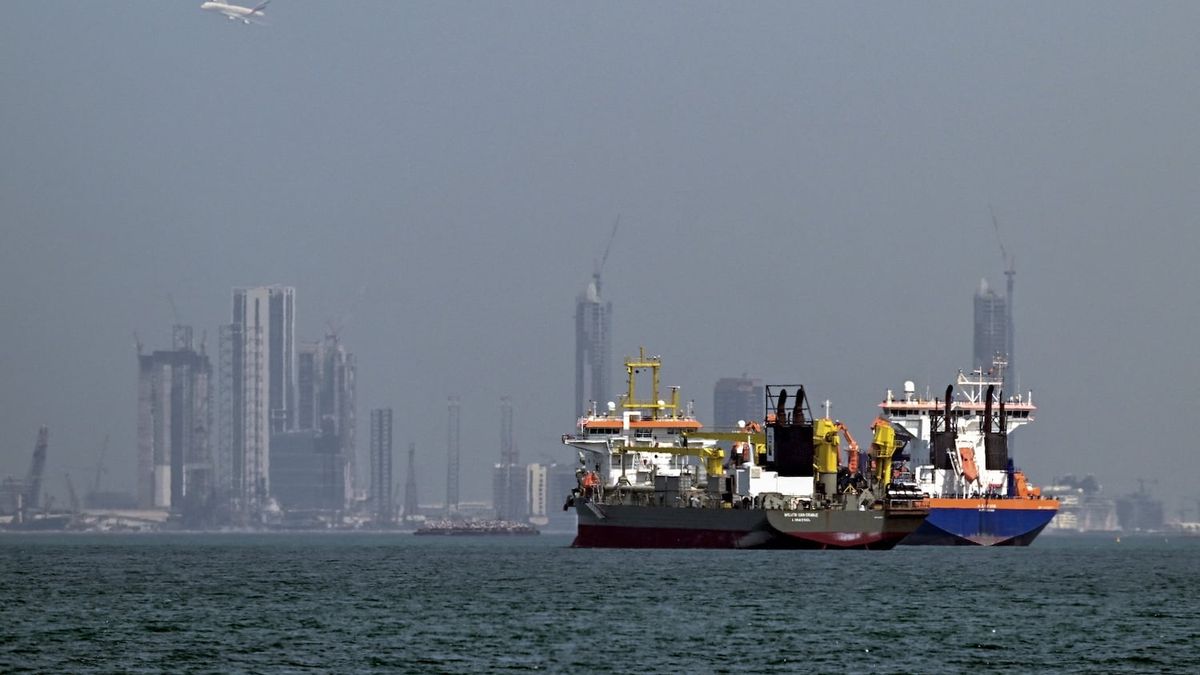
The recent rapprochement between Saudi Arabia and the United Arab Emirates has sparked hopes of a united Gulf front against Iran. After months of tension, senior officials from both countries released coordinated messages affirming their strong ties, potentially paving the way for a more effective response to Tehran's threats.
The Gulf states are caught between the US and Iran, with neither side able to fully address their security concerns. The US security umbrella has limitations, and Iran's drone warfare has exposed the vulnerabilities of Gulf economic targets. To counter this, Gulf states need to define red lines that they are willing to collectively defend, including the principle that an attack on any Gulf country will elicit a response from all. This requires a coordinated approach to deterrence, engagement, and freedom of navigation.
The people of the Gulf region bear the brunt of the conflict, with the constant threat of attacks on economic targets and the disruption of shipping lanes. The Houthis in the Bab el-Mandeb pose an additional threat, potentially creating a double chokepoint crisis. The human cost of this conflict is not just limited to the immediate victims of attacks but also affects the broader population, who face economic uncertainty and instability.
What is often downplayed in the discussion of the Gulf-Iran conflict is the role of economic and diplomatic tools in containing Tehran's aggression. Gulf states have significant leverage, including trade ties and access to international markets, which they can use to pressure Iran. However, this requires a coordinated approach, with all Gulf capitals committing to consistent red lines and conditional engagement. The US and other international partners also have a role to play in supporting the Gulf states' efforts to contain Iran.
As the situation unfolds, it is essential to watch for signs of a coordinated Gulf response to Iran's aggression. This includes the development of a unified position on freedom of navigation, conditional engagement, and deterrence. The role of Saudi Arabia and the UAE will be crucial, as they have the most significant military, economic, and diplomatic leverage vis-à-vis Iran. The international community, including the US and European partners, should also be prepared to support the Gulf states' efforts to contain Iran and promote regional stability.
Editor's Note: The analysis is based on current events and trends, but the situation is highly fluid, and the outcome is uncertain.
Source referenced: FOREIGNPOLICY
This brief was synthesized by our Editorial Engine and reviewed by The Ground Narrative team.


