TRENDING

Sunday, 20 September 2026
----------------------
9 Rabi' Al-Thani 1448 AH
The U.S. military says a recent strike in the Caribbean killed four alleged drug traffickers, part of a campaign that has taken over 220 lives. This brief unpacks the power calculations behind the raids and the hidden toll on coastal communities.
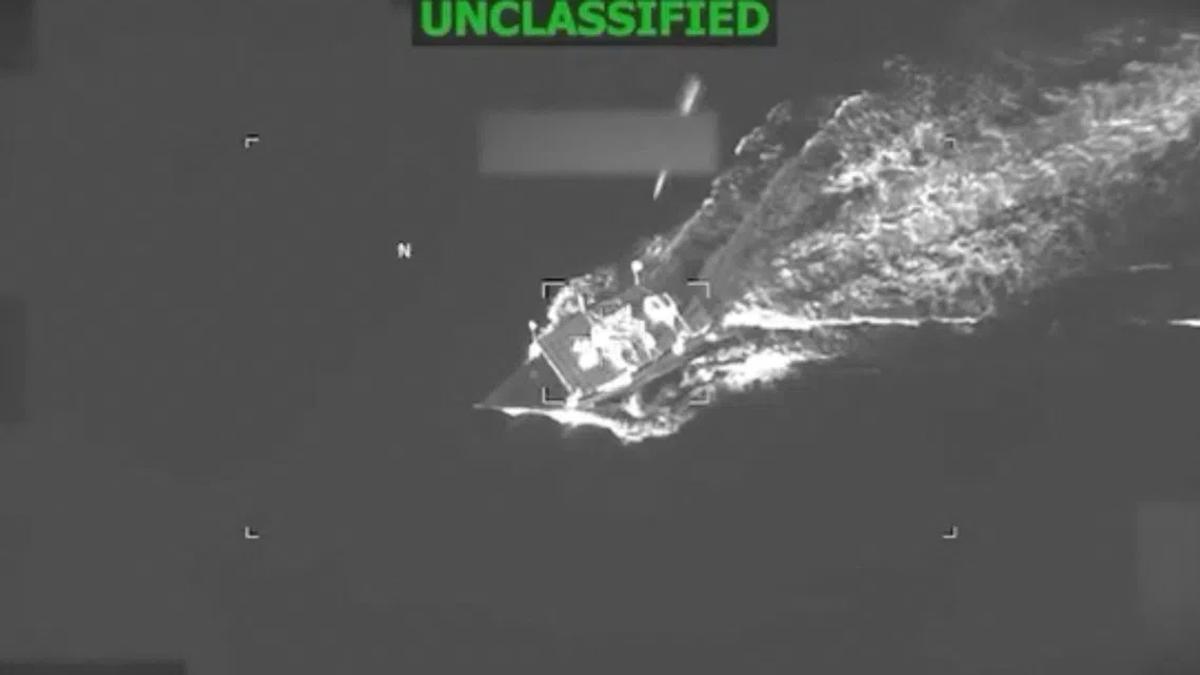
On September 19, 2026, U.S. Southern Command announced that a precision strike on a vessel in the Caribbean killed four people it identified as "narco‑terrorists." The military said intelligence confirmed the boat’s involvement in drug trafficking. This attack follows a series of similar raids that began in 2025, including a strike ten days earlier that left three dead, bringing the cumulative death toll of the campaign to more than 220.
The United States frames the operation as a continuation of a broader "narco‑terror" strategy launched under the Trump administration. Two intersecting incentives drive the policy:
1. Domestic political capital – U.S. politicians, especially those on the security and drug‑policy committees, can point to tangible, lethal action against drug networks, bolstering a hard‑line image that resonates with voters concerned about the opioid crisis.
2. Strategic deterrence – By projecting lethal force far from its own shores, Washington signals to transnational criminal organizations that the U.S. will not tolerate supply‑chain disruptions, while also testing the reach of its Southern Command in a region traditionally dominated by civilian law‑enforcement agencies.
The campaign also leverages existing military assets: surveillance drones, maritime patrol aircraft, and the legal gray area of “unmanned” strikes that bypass the need for a formal declaration of war. This sidesteps congressional oversight mechanisms that would normally apply to overseas combat operations. Economically, the U.S. benefits from a reduced need to fund large‑scale interdiction missions by coast guards of Caribbean states, shifting the burden onto American forces.
While the official narrative focuses on the elimination of drug traffickers, the human cost extends well beyond the four individuals killed. Small‑scale fishermen and coastal laborers in nations like Haiti, the Dominican Republic, and Jamaica rely on the same maritime routes for legitimate livelihoods. Each strike heightens the risk of collateral damage, deters legal fishing activity, and fuels a climate of fear that can push vulnerable communities toward illicit economies as a survival strategy.
Families of the deceased—often undocumented migrants or low‑income workers—receive no official notification, compensation, or legal recourse. Human‑rights groups have documented that many of those killed were not directly involved in trafficking but were caught up in the fluid, informal networks that dominate Caribbean waters. The loss of breadwinners deepens poverty, fuels migration pressures toward the United States, and erodes trust in both local authorities and foreign powers.
Official statements emphasize “confirmed intelligence” and the threat of “narco‑terrorism,” but they omit several critical dimensions:
- Legal ambiguity – The strikes occur outside any declared war zone, raising questions about the applicability of the Fifth Amendment’s due‑process guarantees and international law norms governing the use of force at sea.
- Economic externalities – By targeting vessels without coordinated regional policing, the U.S. inadvertently creates a vacuum that can be filled by rival criminal groups, potentially escalating violence rather than curbing it.
- Diplomatic friction – Caribbean governments receive little notice before an American missile lands in their waters, straining bilateral relations and undermining the legitimacy of regional bodies like CARICOM, which are left to manage fallout without the resources to do so.
These omissions allow the campaign to continue under the radar of public scrutiny while preserving the narrative of decisive action against a nebulous enemy.
Observers should watch three developments closely:
1. Congressional oversight hearings – As the death toll climbs, pressure may mount for the Senate Armed Services Committee to demand transparency on the criteria and authorization process for maritime strikes.
2. Regional response – Caribbean states may seek to negotiate joint patrol agreements or push back against unilateral U.S. actions, potentially leading to a new security architecture that blends military and law‑enforcement capabilities.
3. Legal challenges – International human‑rights NGOs are preparing cases at the Inter‑American Court of Human Rights, which could set precedents on the legality of extrajudicial killings at sea.
The trajectory of this campaign will hinge on whether Washington can balance its domestic political appetite for a hard‑line drug war with the growing diplomatic and legal costs of operating beyond its borders.
Editor's Note: All details are based on publicly released statements and reputable reporting; classified intelligence specifics remain unavailable.
Source referenced: STRAITSTIMES
This brief was synthesized by our Editorial Engine and reviewed by The Ground Narrative team.


