TRENDING

Thursday, 17 September 2026
----------------------
6 Rabi' Al-Thani 1448 AH
As Europe prepares for a potential Russian attack by 2030, the continent's security strategy is undergoing a significant transformation, with drones, satellites, and space capabilities becoming vital components. The European Commissioner for Defence and Space, Andrius Kubilius, is calling for a 'big bang' increase in defence spending to achieve greater defence independence.
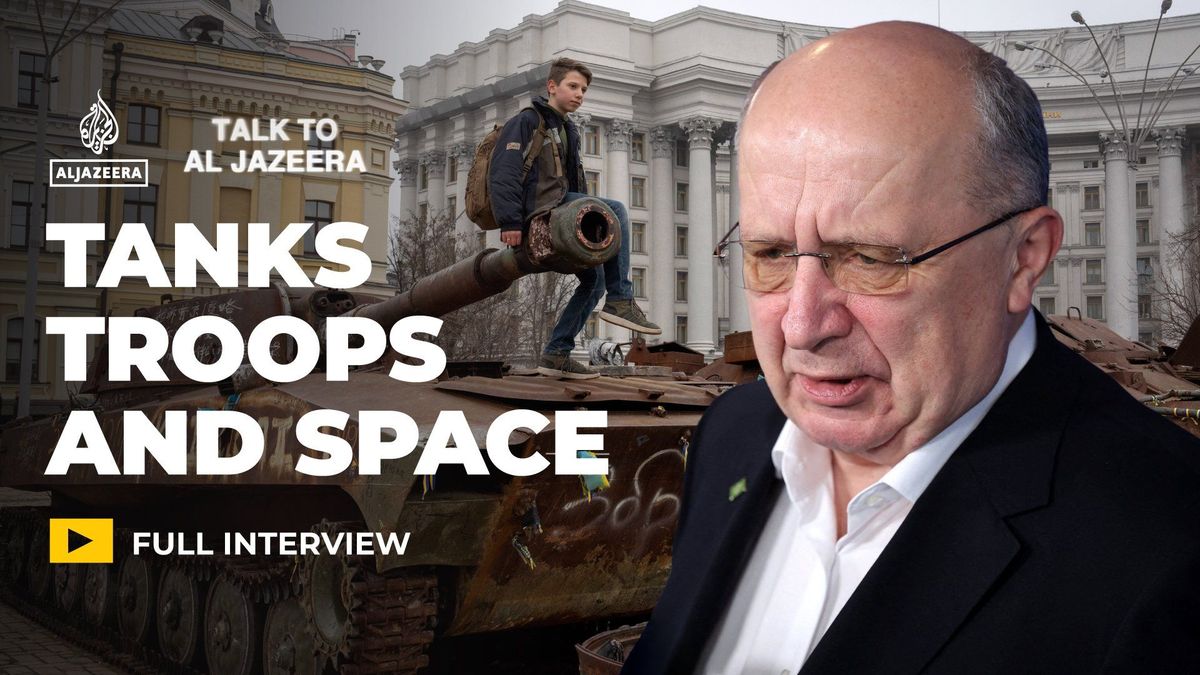
The European Commissioner for Defence and Space, Andrius Kubilius, has warned that Europe must be ready for a potential Russian attack by 2030. To prepare for this scenario, Kubilius is advocating for a significant increase in defence spending, which he believes is necessary to achieve greater defence independence.
The power dynamics at play in Europe's rearmament are complex and multifaceted. On one hand, the continent is seeking to reduce its dependence on the United States for defence, while on the other hand, it is trying to counter the growing military capabilities of Russia. The integration of drones, satellites, and space capabilities into Europe's security strategy is a key aspect of this effort, as it allows for greater surveillance, communication, and precision strike capabilities. However, this shift also raises important questions about the role of traditional military assets, such as tanks and troops, in modern warfare.
The human cost of Europe's rearmament will be significant, as increased defence spending will likely divert resources away from other critical areas, such as education, healthcare, and social welfare. Furthermore, the development and deployment of new military technologies, such as drones and autonomous systems, raises important ethical concerns about the potential for civilian casualties and the lack of accountability in military operations. The people who will bear the brunt of these decisions are not just those living in Europe, but also those in regions where European military interventions may take place, such as Ukraine and other parts of Eastern Europe.
What is being downplayed in the current discourse on Europe's rearmament is the potential for a new arms race between Europe and Russia, which could have far-reaching and devastating consequences. The focus on defence independence and the integration of new military technologies into Europe's security strategy may also obscure the need for diplomatic efforts to resolve conflicts and reduce tensions with Russia. Moreover, the role of the United States in Europe's security architecture is being underestimated, as the continent's defence independence is still heavily reliant on American military might.
As Europe's rearmament efforts gain momentum, readers should watch for several key developments. Firstly, the extent to which European countries are willing to increase their defence spending and commit to greater defence cooperation will be crucial in determining the continent's ability to achieve greater defence independence. Secondly, the integration of new military technologies, such as drones and autonomous systems, into Europe's security strategy will require careful consideration of the ethical implications and potential risks. Finally, the impact of Europe's rearmament on regional and global security dynamics, including the potential for a new arms race with Russia, will be a critical factor in shaping the continent's security landscape in the years to come.
Editor's Note: The analysis is based on current trends and available data, but the future of European defence and security is inherently uncertain and subject to various factors, including political developments and technological advancements.
Source referenced: ALJAZEERA
This brief was synthesized by our Editorial Engine and reviewed by The Ground Narrative team.


